Advertisements
The 2-Minute Breathing Exercise That Honestly Changed My Mornings
Here’s a stat that kinda blew my mind: according to the American Psychological Association, over 75% of adults report experiencing moderate to high stress levels. I was absolutely one of them. And honestly, I never thought something as simple as a 2-minute breathing exercise could make a real dent in that number — until I actually tried it.
Look, I’m not some zen guru who meditates for hours at dawn. I’m a regular person who used to hit snooze three times and then rush out the door with a coffee sloshing everywhere. But about a year ago, I stumbled onto a quick breathwork technique that legitimately shifted how my entire day felt. Two minutes. That’s it.
Why I Was Skeptical (And Why I Was Wrong)
I’ll be honest — when a friend first told me to “just breathe” for stress relief, I kind of rolled my eyes. Like, I’ve been breathing my whole life, thanks. But the thing is, there’s a massive difference between automatic breathing and intentional deep breathing exercises.
When you consciously control your breath, you activate the parasympathetic nervous system, which is basically your body’s built-in chill mode. Your heart rate slows down, your muscles relax, and your mind stops racing like it’s running a marathon. It’s not woo-woo stuff — it’s actual science.
The Exact 2-Minute Breathing Exercise I Use
Okay so here’s the technique that was recommended to me, and it’s stupid simple. It’s called box breathing, and it’s actually used by Navy SEALs to stay calm under pressure. If it works for them, it can probably work for us regular folks too.
Here’s how you do it:
- Inhale slowly through your nose for 4 seconds.
- Hold your breath for 4 seconds.
- Exhale slowly through your mouth for 4 seconds.
- Hold again for 4 seconds.
- Repeat this cycle for 2 minutes (about 7-8 rounds).
That’s the whole thing. No apps required, no special equipment, no incense burning in the background. Just you and your lungs doing their thing with a little more intention than usual.
Advertisements
My Biggest Mistake When I First Started
So here’s where I messed up. The first few times I tried this calming breath technique, I was doing it while scrolling my phone. Multitasking, right? Spoiler alert — it didn’t work at all. I felt nothing.
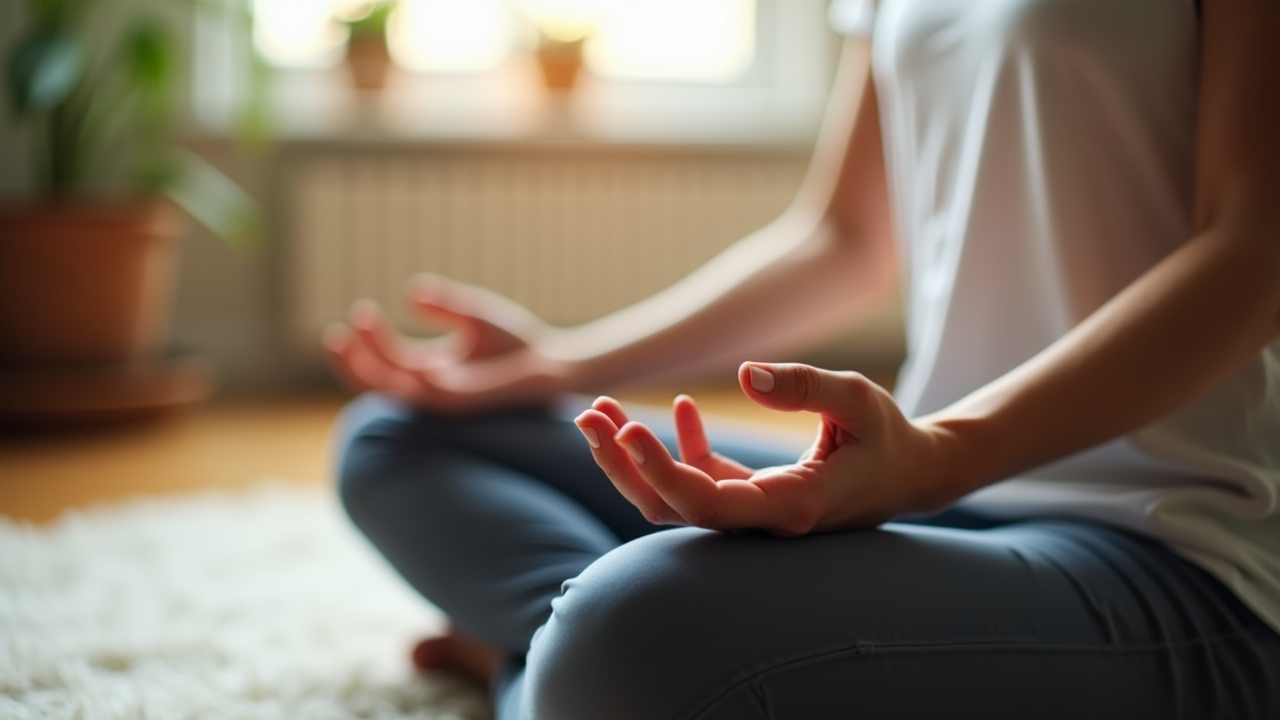
It wasn’t until I sat down, closed my eyes, and actually focused on the counting that something clicked. By the third round, my shoulders had dropped like two inches from my ears. I didn’t even realize I’d been tensing them all morning. That was my little triumph moment — finally understanding that mindful breathing requires, well, the mindful part.
When to Actually Do This
The beauty of a 2-minute breathing exercise is you can literally squeeze it in anywhere. But through trial and error, I’ve found a few sweet spots that work best for anxiety reduction and overall calm:
- Right after waking up — before you even check your phone.
- Before a stressful meeting — I’ve done this in my car in the parking lot more times than I can count.
- At bedtime — it seriously helps with falling asleep faster. The Sleep Foundation backs this up too.
Honestly, even doing it once a day made a noticeable difference in my stress levels after about a week. Consistency matters way more than perfection here.
Your Lungs Will Thank You Later
Here’s the thing — a quick breathing exercise isn’t going to solve all your problems. It won’t pay your bills or fix that weird noise your car is making. But it gives your nervous system a reset, and that two minutes of calm can ripple out into better decisions, better focus, and honestly just a better mood.
Feel free to tweak the timing too. Some people prefer 5-second intervals, others do better with 3. Make it yours. And if you’re dealing with any respiratory conditions, maybe chat with your doctor before diving into breathwork practices.
If you enjoyed this and want more simple wellness tips that actually work, go explore more posts over at One Big Breath. We’re all about making this stuff approachable — no guru status required.