
Advertisements
The Science of Sighing: Why Your Body Does It Way More Than You Think
Here’s a wild stat that totally blew my mind — you sigh about 12 times every single hour. That’s roughly once every five minutes! I remember sitting in a staff meeting last year when a colleague turned to me and said, “Are you okay? You keep sighing.” Honestly, I had no idea I was even doing it.
That little moment sent me down a rabbit hole into the science of sighing, and what I found was genuinely fascinating. Turns out, sighing isn’t just something we do when we’re bored or sad. It’s actually a critical biological function that keeps us alive, and most of us don’t give it a second thought.
What Exactly Is a Sigh, Anyway?
So a sigh is basically a deep breath — about twice the volume of a normal breath. Your lungs contain around 500 million tiny air sacs called alveoli, and throughout the day, some of these little guys collapse. A sigh pops them back open, kind of like re-inflating a bunch of tiny balloons.
Researchers at Stanford University and UCLA identified the specific brain cells responsible for generating sighs back in 2016. They found two tiny clusters of neurons in the brainstem that turn regular breaths into sighs. Without this reflex, our lungs would literally fail over time — which is pretty terrifying when you think about it.
The Emotional Side of Sighing
Now here’s where it gets really interesting for me personally. I used to think my constant sighing meant I was low-key depressed or something. Turns out, sighing serves a huge role in emotional regulation and stress relief.
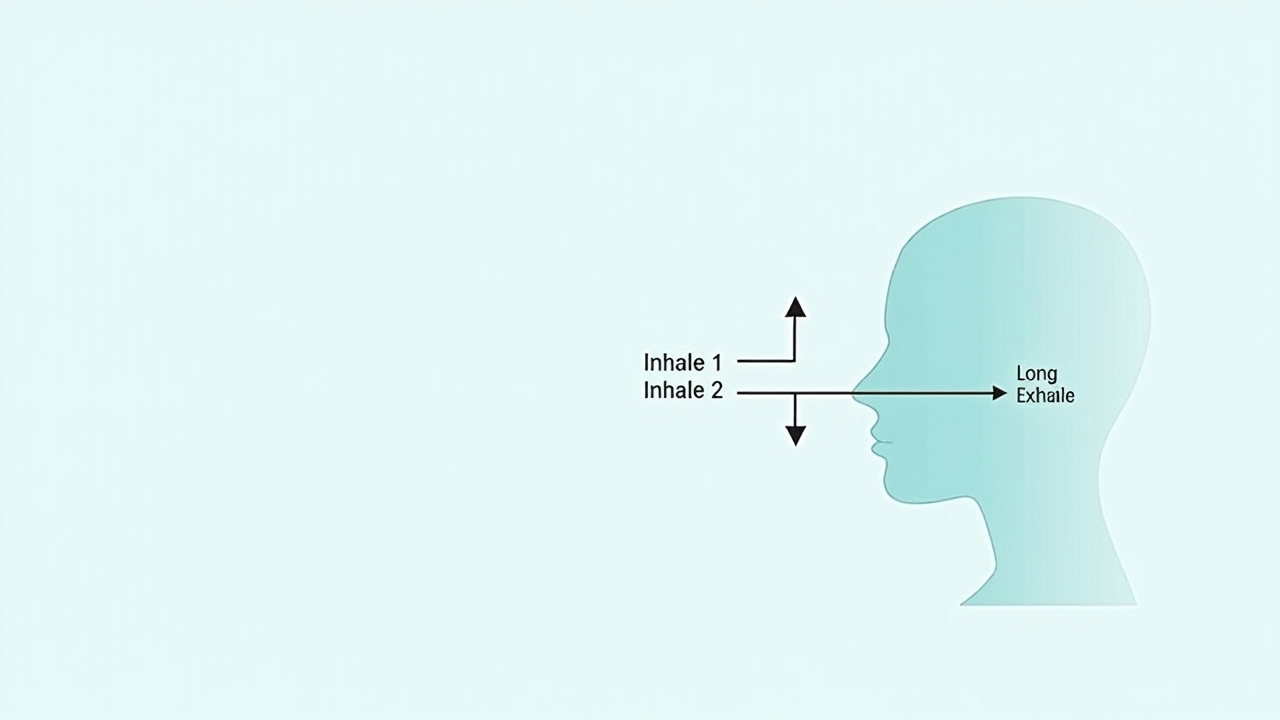
A 2023 study published in Cell Reports by Dr. Andrew Huberman’s lab at Stanford found that a specific breathing pattern called the “physiological sigh” — a double inhale followed by a long exhale — was actually more effective at reducing stress than meditation. I’ve been using it before parent-teacher conferences ever since, and honestly, it’s been a game-changer.
The autonomic nervous system responds almost immediately to this kind of deliberate deep breathing. Your heart rate drops, cortisol levels decrease, and your parasympathetic nervous system kicks in. It’s like hitting a reset button on your body’s stress response.
Advertisements
Why We Sigh When We’re Sad (or Frustrated)
I’ll never forget the time I spent an entire Saturday trying to assemble a bookshelf with instructions that was clearly written by someone who hated humanity. Every few minutes — big, dramatic sigh. My wife counted seventeen of them before she started laughing at me.
But there’s actual science behind emotional sighing too. When we experience feelings of resignation, frustration, or sadness, our respiratory patterns change. The body uses sighs to essentially “reset” breathing that’s become irregular due to emotional arousal. It’s a physical coping mechanism that helps transition us from one emotional state to another.
Interestingly, excessive sighing can sometimes be linked to anxiety disorders or breathing pattern disorders. If you find yourself sighing constantly and feeling short of breath, it might be worth chatting with a healthcare professional about it.
How to Use Sighing to Your Advantage
Here’s where I get really excited, because this is the practical stuff that’s actually changed my daily routine. You can intentionally harness the science of sighing to feel calmer and more focused.
- Try the physiological sigh: two quick inhales through your nose, then one long exhale through your mouth. Do this 2-3 times when you feel stressed.
- Pay attention to your natural sighing patterns — they’re often signals that your body needs a mental or physical break.
- Don’t suppress your sighs! They’re doing important respiratory work even when they feel involuntary.
- Practice cyclic sighing for five minutes before bed — it can seriously improve your sleep quality.
Every Breath Tells a Story
The science of sighing has honestly made me way more aware of how my body communicates with me throughout the day. Those little involuntary breaths aren’t just noise — they’re your lungs maintaining themselves and your brain managing your emotions in real time.
So next time someone asks why you’re sighing so much, you can tell them your brainstem is just doing its job. Pay attention to your breath, experiment with deliberate sighing techniques, and see what works for you. And if you’re curious about more ways breathing impacts your wellbeing, come explore other posts on One Big Breath — we’re always diving into stuff like this!