Advertisements
The 30-Day Breathing Challenge That Actually Changed How I Sleep, Work, and Handle Stress
Here’s a stat that honestly blew my mind: most of us take around 20,000 breaths a day, and almost every single one of them is done wrong. I stumbled across that little nugget while doom-scrolling one night, and it hit me like a ton of bricks. I’d been breathing my entire life — obviously — but I’d never once thought about whether I was doing it well!
That’s exactly what pushed me into trying a 30-day breathing challenge. And look, I’m not someone who usually sticks with these kinds of things. I’ve abandoned gratitude journals, meditation apps, and at least three different workout programs before the two-week mark. But this one? This one actually stuck, and I want to tell you why.
What Even Is a 30-Day Breathing Challenge?
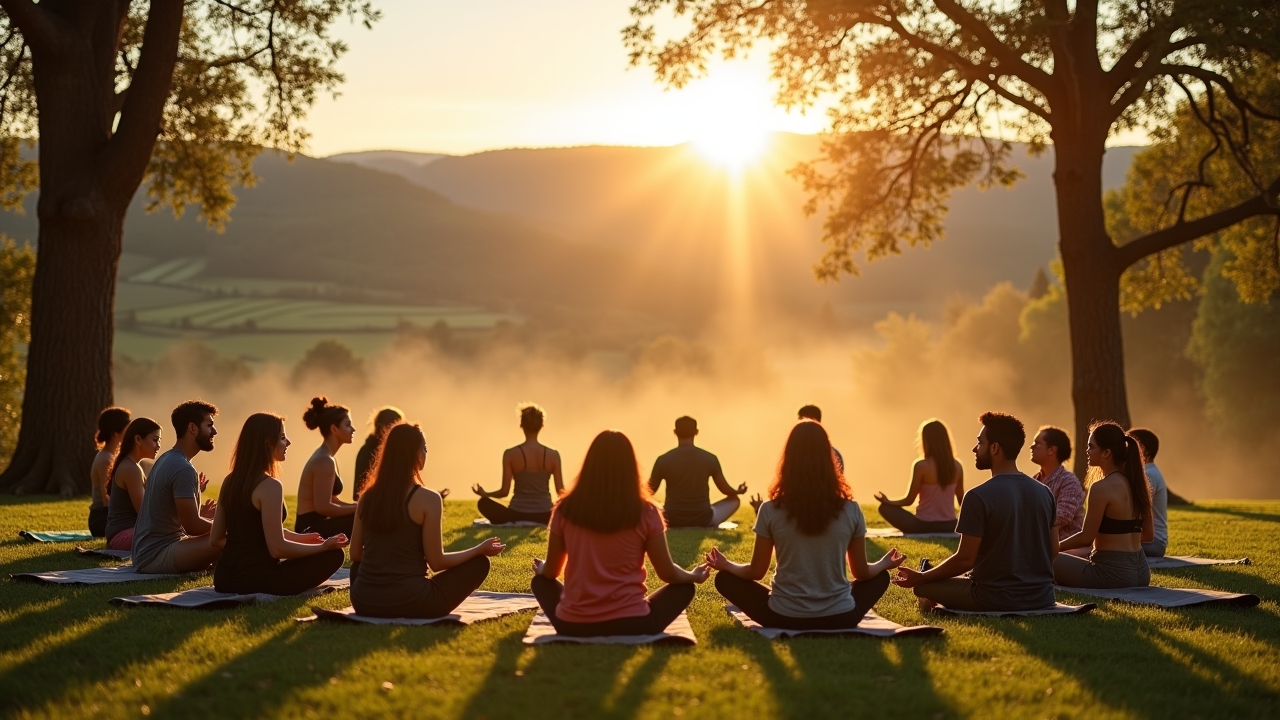
So the concept is pretty simple. You commit to a daily breathwork practice for 30 consecutive days, usually starting with basic techniques and gradually building up to more advanced exercises. Some people follow structured programs, while others just pick a technique and go with it.
The idea is rooted in the science of diaphragmatic breathing and nervous system regulation. When you breathe intentionally — slow, deep belly breaths instead of those shallow chest breaths most of us default to — your body shifts from fight-or-flight mode into rest-and-digest. It sounds almost too simple to work, but the research on breathwork benefits is actually pretty solid.
My First Week Was Honestly Rough
I’m not gonna sugarcoat it. Days one through five were awkward and kinda frustrating. I started with basic box breathing — inhale for four counts, hold for four, exhale for four, hold for four — and I couldn’t even make it through five minutes without my mind wandering to what I was gonna eat for dinner.
By day three, I almost quit. My breathing felt forced and unnatural, which is ironic since breathing is literally the most natural thing we do. But then something shifted around day six or seven — I noticed I was falling asleep faster at night. Like, noticeably faster. That tiny win was enough to keep me going.
The Techniques I Rotated Through
One mistake I made early on was sticking with just one technique. That got boring real fast. So I started mixing things up throughout the month, and honestly that’s the best advice I can give anyone trying this.
Advertisements
- Box breathing — Great for beginners and calming anxiety in the moment.
- 4-7-8 breathing — This one became my go-to for sleep. You inhale for 4 counts, hold for 7, and exhale for 8. Dr. Andrew Weil popularized this technique and it’s been a game changer for me.
- Wim Hof method — Okay, this one’s intense. Thirty deep breaths followed by a breath hold. I felt lightheaded the first time and had to sit down, so definitely ease into it.
- Alternate nostril breathing — Felt a little silly at first, but it’s an ancient pranayama technique that genuinely helped me focus before work.
What Actually Changed After 30 Days
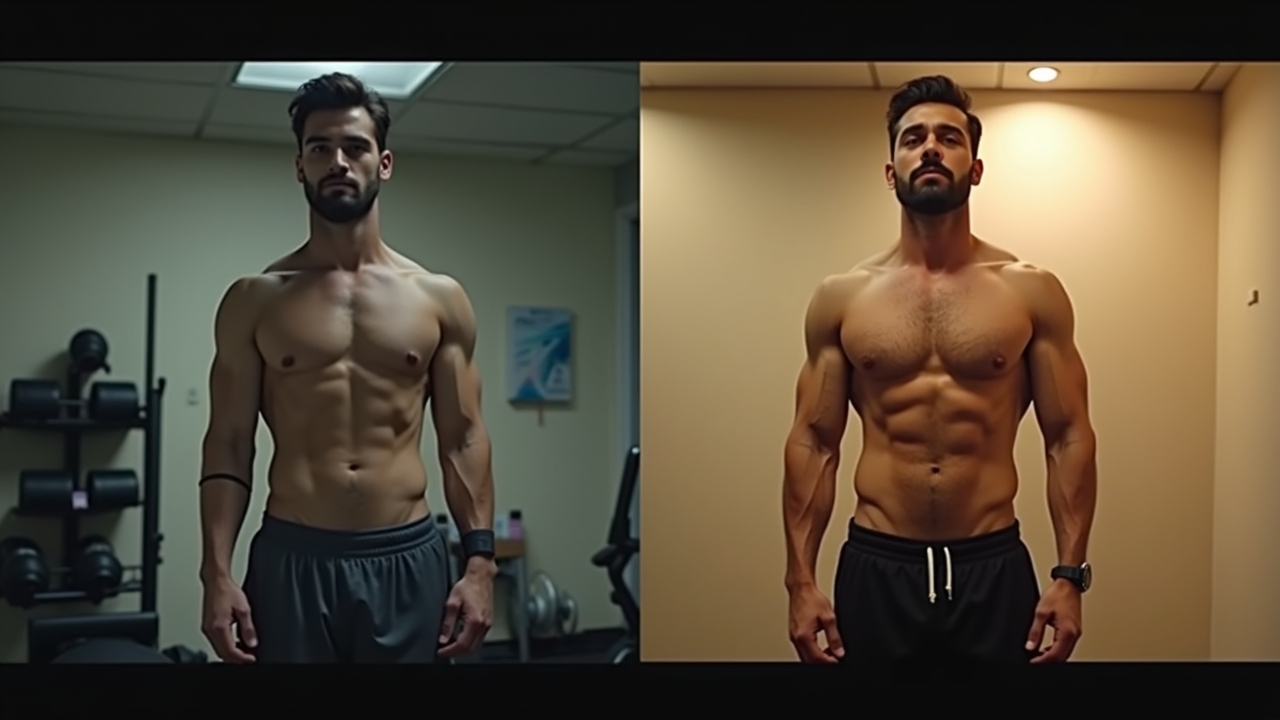
By week three, the changes were being noticed by people around me. My partner said I seemed “less reactive,” which — fair enough, I used to snap over dumb stuff like the dishwasher not being loaded right. My stress response had genuinely shifted.
I also tracked my resting heart rate throughout the challenge, and it dropped by about four beats per minute. That might not sound like much, but for someone who struggles with anxiety, that’s a big deal. My sleep quality improved too — I was waking up less in the middle of the night and actually feeling rested in the morning.
The mental clarity was probably the most unexpected benefit though. Around day 20, I started doing a five-minute breathing session before writing, and my focus was sharper than any cup of coffee ever made it.
Your Turn to Take a Big Breath
Here’s the thing — a 30-day breathing challenge isn’t one-size-fits-all. You gotta customize it to your life, your schedule, and what feels right for your body. Start with just five minutes a day if that’s all you’ve got. And please, if you have any respiratory conditions or health concerns, chat with your doctor before diving into the more intense techniques.
The best part is you don’t need any equipment, any apps, or any money. Just your lungs and a little bit of commitment. If you’re looking for more guidance on breathwork techniques and mindful living, head over to One Big Breath — we’ve got tons of posts to help you on this journey. Seriously, your 20,000 daily breaths deserve a little more attention.