Advertisements
The Buteyko Breathing Method: How Breathing Less Literally Changed My Life
Here’s a stat that honestly blew my mind — most of us take between 17,000 and 23,000 breaths per day, and according to Dr. Konstantin Buteyko, the vast majority of us are doing it wrong. I stumbled onto the Buteyko breathing method about three years ago when my asthma was driving me absolutely nuts. And let me tell you, learning to breathe *less* felt completely counterintuitive at first!
But it worked. So let me walk you through what this method actually is, how I started practicing it, and the mistakes I made along the way so you don’t have to repeat them.
What Exactly Is the Buteyko Breathing Method?
The Buteyko method is a breathing technique developed in the 1950s by Ukrainian doctor Konstantin Buteyko. His core idea was pretty radical — he believed that chronic overbreathing, or hyperventilation, was the root cause of a ton of health problems. We’re talking asthma, anxiety, sleep apnea, and even high blood pressure.
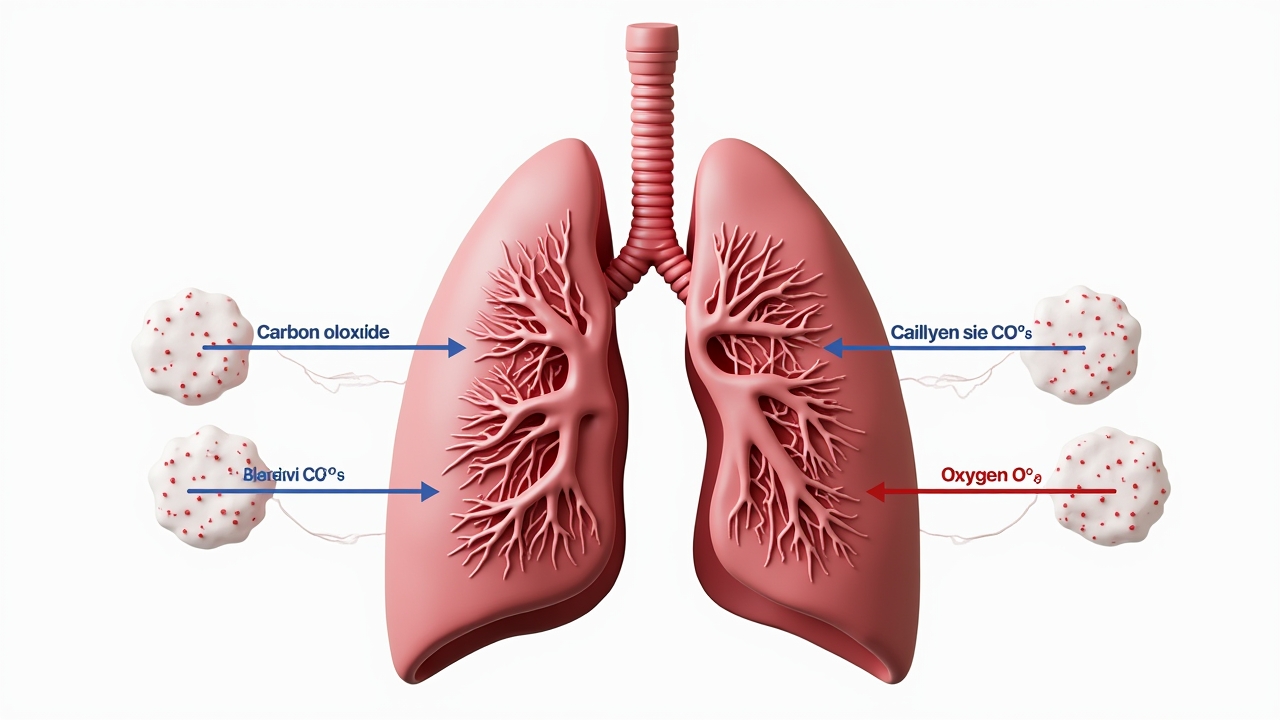
The method focuses on nasal breathing, reduced breathing volume, and something called the Control Pause test. Basically, you train yourself to tolerate higher levels of carbon dioxide in your blood, which sounds scary but is actually how your body was designed to function.
My First Awkward Attempt (and What I Got Wrong)
I’ll be honest — when I first tried Buteyko exercises, I was a total mess. I watched a couple YouTube videos, thought I had it figured out, and proceeded to hold my breath way too aggressively. My face turned red. I got dizzy. Not the vibe.
The mistake? I was confusing breath holding with breath *reducing*. There’s a huge difference. The Buteyko technique isn’t about suffocating yourself; it’s about gently slowing down your breathing rate and taking smaller, lighter breaths through your nose.
Once I actually read Patrick McKeown’s book The Oxygen Advantage, things finally clicked for me. That book is basically the modern bible for Buteyko practitioners, and I can’t recommend it enough.
Advertisements
How to Actually Practice Buteyko Breathing
Alright, here’s the practical stuff. This is the basic routine that was taught to me and that I still use almost daily.
- Measure your Control Pause (CP): Breathe normally through your nose, exhale gently, then pinch your nose and time how long until you feel the first distinct urge to breathe. Don’t push it — that number is your baseline.
- Practice reduced breathing: Sit upright, close your mouth, and breathe through your nose only. Gradually make each breath a tiny bit smaller and lighter. You should feel a mild air hunger, like you want slightly more air than you’re getting.
- Do short breath holds: After a normal exhale, hold for a few seconds, then resume gentle nasal breathing. These aren’t maximum holds — just small pauses.
- Tape your mouth at night: Yeah, I know it sounds weird. But mouth taping during sleep was a game changer for my sleep quality and snoring.
When I started, my Control Pause was a pathetic 12 seconds. After about six months of consistent practice, it climbed to 32 seconds. My asthma symptoms were noticeably reduced, and I was sleeping better than I had in years.
Who Can Benefit From This?
From what I’ve experienced and researched, the Buteyko breathing method can help people dealing with asthma, chronic mouth breathing, anxiety disorders, panic attacks, and sleep-disordered breathing. Some studies, like this one published in the journal Thorax, have shown that Buteyko exercises can reduce the need for reliever inhalers in asthma patients.
That said, it’s not a magic bullet. And it shouldn’t replace your doctor’s advice — ever. If you’re on medication, keep taking it and talk to your healthcare provider before making changes.
Just Breathe — But Maybe a Little Less
Look, the Buteyko method isn’t glamorous. Nobody’s gonna post their reduced breathing session on Instagram. But it’s one of those quiet, unglamorous habits that genuinely shifts how you feel day to day.
Start with measuring your Control Pause and practicing five minutes of reduced breathing each morning. Adapt it to your own body and comfort level. And please — don’t go holding your breath until you pass out like I almost did that first week.
If you’re curious about more breathing techniques and want to explore what works best for you, check out other posts on One Big Breath. There’s a whole world of breathwork out there, and honestly, it all starts with just one big breath.