Advertisements

How Slow Breathing Lowered My Blood Pressure (And Almost Made Me Feel Stupid for Not Trying It Sooner)
Here’s a stat that honestly blew my mind: nearly 1.28 billion adults worldwide live with hypertension. I was one of them. And the thing that finally started moving the needle for me wasn’t a new medication or some fancy supplement — it was literally just breathing slower. I know, I know. It sounds almost too simple to be real!
But the connection between slow breathing and blood pressure is backed by a growing pile of research, and I wish someone had sat me down and explained it years ago. So that’s what I’m gonna do for you right now.
My Wake-Up Call at the Doctor’s Office
About three years ago, my doctor read my numbers out loud and I could see the concern on her face. 148 over 94. Not great, folks.
She started talking about lifestyle changes — less sodium, more exercise, managing stress. I nodded along like a good patient. But honestly? I’d been hearing the same advice for years and nothing was sticking.
Then a friend mentioned something about deep breathing exercises for hypertension, and I kinda laughed it off at first. Breathing? Really? That felt like bringing a water pistol to a house fire. Turns out, I was dead wrong about that.
What Actually Happens When You Breathe Slowly
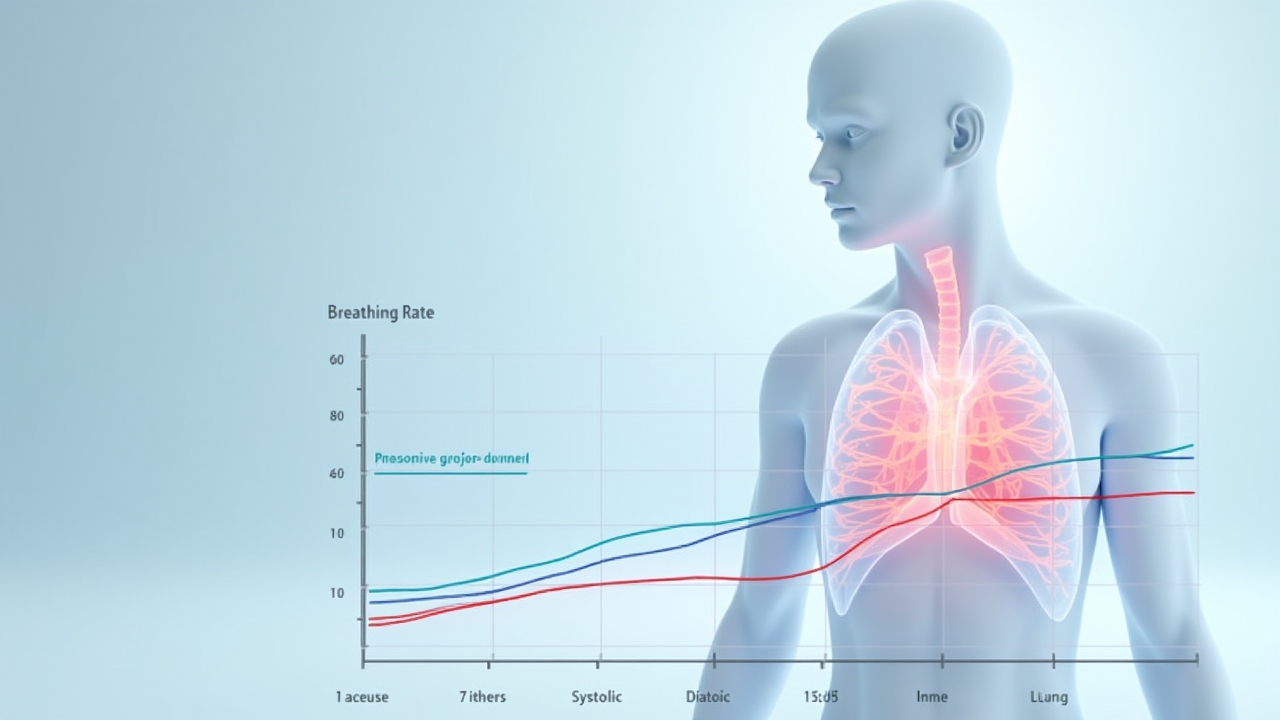
So here’s the deal. When you practice slow, controlled breathing — typically around 6 breaths per minute — your body activates the parasympathetic nervous system. That’s the “rest and digest” side of your autonomic nervous system, the opposite of fight-or-flight.
This triggers something called the baroreflex, which is basically your body’s built-in blood pressure regulation system. Slow breathing improves baroreflex sensitivity, which helps your arteries relax and your heart rate calm down. The result? Lower systolic and diastolic blood pressure readings over time.
Advertisements
A study published in the journal Hypertension found that device-guided slow breathing significantly reduced blood pressure in patients with uncontrolled hypertension. We’re talking real, measurable changes — not just feeling a bit more zen.
The Simple Technique That Worked for Me
I’m not gonna pretend I meditated on a mountain or anything. My approach was embarrassingly basic. I just set a timer for 10 minutes, sat in my car before work (because my house is chaos in the morning), and breathed in for 5 seconds, then out for 5 seconds.
That’s it. Six breaths per minute. No app needed, though I did eventually try one and it helped me stay consistent.
Here’s what I noticed after about three weeks of daily practice:
- My resting heart rate dropped by about 6 beats per minute
- I felt less tense in my shoulders and jaw throughout the day
- My home blood pressure readings started averaging around 132 over 86
Not perfect numbers, sure. But the downward trend was undeniable, and my doctor was genuinely impressed at my next visit.
Common Mistakes I Made (So You Don’t Have To)
First mistake: I tried to force super long breaths right away. Like 10-second inhales. That just made me lightheaded and frustrated. Start where you’re comfortable and gradually extend the duration.
Second mistake: I was inconsistent. I’d do it religiously for five days, skip a weekend, then forget about it for two weeks. Consistency matters way more than perfection here. Even 5 minutes daily beats 20 minutes once a week.
Also — and this is important — slow breathing techniques are not a replacement for medication if your doctor has prescribed it. Think of diaphragmatic breathing as a complementary tool, not a cure-all. Always talk to your healthcare provider before making changes to your treatment plan.
Your Breath Is More Powerful Than You Think
Look, I spent years feeling helpless about my cardiovascular health. Finding out that something as fundamental as my own breathing pattern could influence my blood pressure was honestly kind of life-changing. It’s free, it’s accessible, and the side effects are basically just feeling calmer.
Everyone’s body is different, so experiment with what rhythm and duration feels right for you. And please, keep your doctor in the loop.
If you’re curious about more breathing techniques and how they can support your overall wellbeing, check out more posts over at One Big Breath. There’s a whole world hiding inside your next exhale.