Advertisements

Kapalabhati Breath of Fire: The Breathing Technique That Literally Changed My Mornings
Here’s a wild little fact — kapalabhati pranayama has been practiced for over 2,000 years, and I only discovered it three years ago because I was desperately googling “how to wake up without coffee.” Honestly, I’m still a little mad nobody told me sooner!
If you’ve ever felt sluggish, foggy, or just plain blah in the morning, this ancient yogic breathing technique might be exactly what you need. Kapalabhati breath of fire is one of those practices that sounds intimidating but is surprisingly accessible once you get the hang of it. And trust me, I did NOT get the hang of it right away.
So What Exactly Is Kapalabhati Breath of Fire?
Kapalabhati is a pranayama technique — basically a yogic breathing exercise — that involves short, forceful exhales followed by passive inhales. The word “kapalabhati” literally translates to “skull-shining breath” in Sanskrit. Pretty cool name, right?
Now, I should mention that some people use “breath of fire” and “kapalabhati” interchangeably, but technically they’re slightly different. In Kundalini yoga, breath of fire involves equal emphasis on both the inhale and exhale, while kapalabhati really focuses on that sharp, pumping exhale. For the purpose of this article, though, we’re talking about the kapalabhati style since that’s what most people are searching for when they land on this topic.
My Embarrassing First Attempt
I’ll never forget my first try. I was sitting on my bedroom floor, watched a YouTube tutorial, and started pumping my belly like I was trying to inflate a balloon. My cat literally left the room. I was doing it way too aggressively, hyperventilated a bit, and felt dizzy for about ten minutes.
The mistake? I was forcing the inhale AND the exhale. The whole point is that you only actively push the exhale out — the inhale just happens naturally when you release your abdominal muscles. Once I figured that out, everything clicked.
How to Actually Practice Kapalabhati (Without Passing Out)
Here’s the step-by-step process that works for me after years of practice:
Advertisements
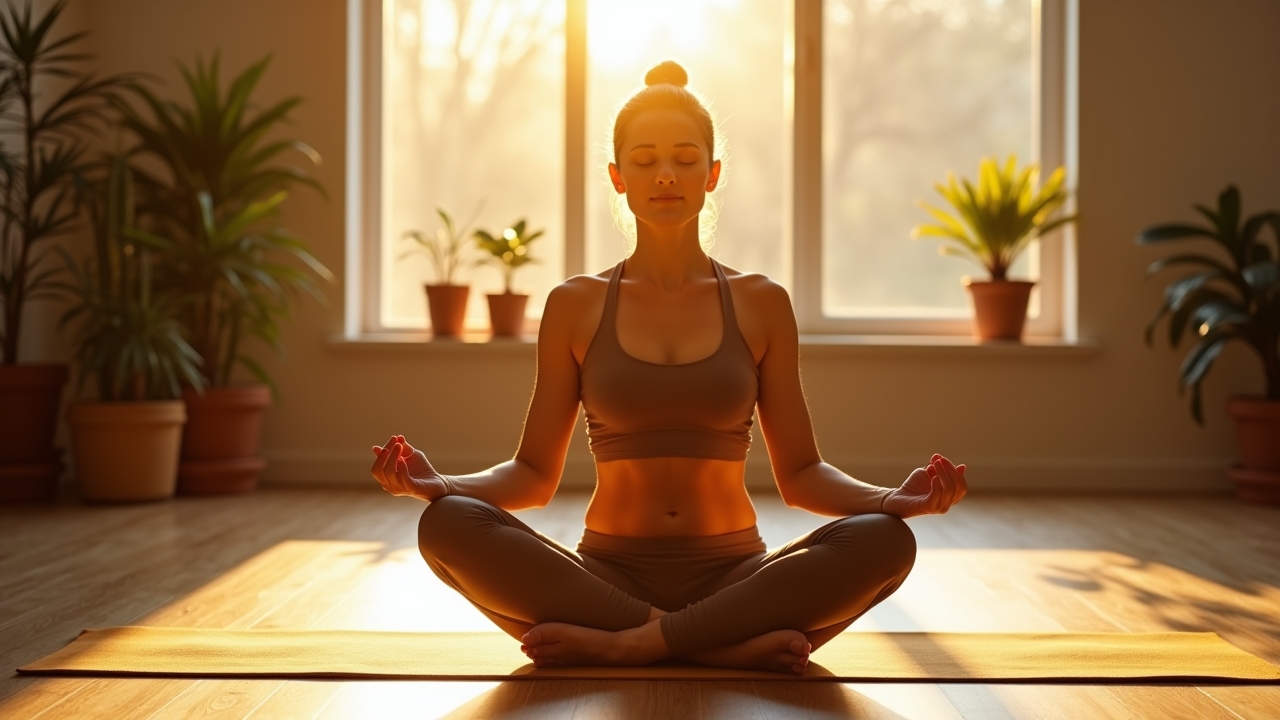
- Sit comfortably with a straight spine — a cushion helps a ton.
- Take two or three deep, cleansing breaths to settle in.
- Inhale about halfway, then sharply contract your lower belly to push the air out through your nose.
- Release your belly and let the inhale happen passively.
- Start with 20-30 pumps per round, then rest and breathe normally.
- Do 3 rounds total, gradually increasing to 50-60 pumps as you get comfortable.
The rhythm should feel almost like a metronome — steady, rhythmic, and not panicked. If you’re gasping for air, you’re going too fast. Slow it down, friend.
Why I Keep Coming Back to This Practice
After about two weeks of daily practice, I noticed some real changes. My mind felt sharper in the mornings, almost like someone had wiped the fog off a windshield. The research on kapalabhati actually backs this up — studies have shown it can improve attention, reduce stress markers, and even support better digestion through that rhythmic abdominal engagement.
Personally, I’ve also found it helps with my energy levels way more than I expected. It’s like a natural espresso shot but without the jitters. Some mornings when I really don’t feel like doing it, I remind myself that it takes literally three minutes, and those are the days it helps the most.
A Few Words of Caution
This isn’t a technique for everyone, and that’s important to say. If you’re pregnant, have high blood pressure, heart conditions, or epilepsy, kapalabhati is generally not recommended. Also, anyone with respiratory issues should definitely talk to a doctor first. I learned the hard way that doing this on a full stomach is also a terrible idea — just don’t.
Your Breath, Your Rules
Kapalabhati breath of fire is one of those simple practices that can genuinely shift how you feel day to day. But like anything in yoga and breathwork, it’s gotta be adapted to YOUR body and YOUR comfort level. Start slow, be patient with yourself, and don’t compare your practice to some yogi on Instagram doing 200 pumps without breaking a sweat.
If this sparked some curiosity, I’d love for you to explore more breathwork techniques and wellness tips over at One Big Breath. There’s a whole world of breathing practices waiting for you — and your mornings will thank you for it.