Advertisements
Extended Exhale Breathing: The Simple Trick That Finally Calmed My Anxious Brain
Here’s a wild stat for you — your exhale is literally the only part of breathing that activates your parasympathetic nervous system, which is basically your body’s built-in chill button. I stumbled onto extended exhale breathing about three years ago during a particularly brutal stretch of insomnia, and honestly? It kinda changed everything for me.
So let me break down what this technique is, why it works, and how you can start using it tonight. No fancy equipment needed. Just your lungs and a little patience.
What Is Extended Exhale Breathing, Exactly?
Extended exhale breathing is a breathwork technique where you deliberately make your out-breath longer than your in-breath. That’s it. Sounds almost too simple, right?
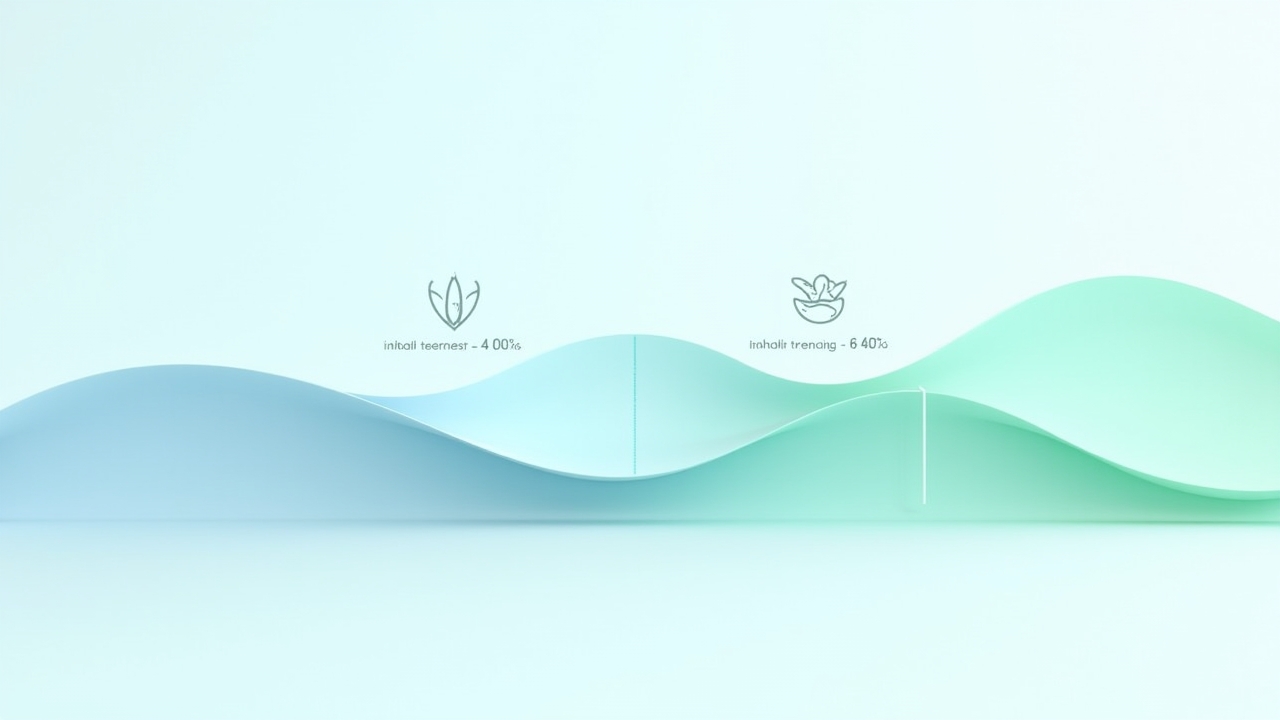
For example, you might inhale for 4 counts and then exhale for 6 or 8 counts. The ratio matters more than the specific numbers. The key is that the exhalation is consistently longer than the inhalation, which sends a signal to your vagus nerve to slow your heart rate and calm things down.
According to research published by the Frontiers in Psychology, slow breathing techniques with prolonged exhalation have been shown to reduce anxiety, lower blood pressure, and improve heart rate variability. Pretty legit stuff for something that’s completely free.
My Embarrassing First Attempt
I’ll be honest — my first try was a mess. I’d read about diaphragmatic breathing and exhale-focused techniques online, got all excited, and tried doing a 4-count inhale with a 10-count exhale. While lying in bed. At 2 AM.
Yeah, I nearly hyperventilated. I was gasping like a fish out of water because I pushed the ratio way too hard, way too fast. My wife actually woke up and asked if I was having an asthma attack. Super embarrassing.
Advertisements
The lesson I learned was to start small and work your way up. A 4:6 ratio is honestly perfect for beginners. You don’t need to be a breathing superhero on day one.
How to Practice Extended Exhale Breathing (Step by Step)
Here’s the method that finally worked for me after all my trial and error:
- Sit or lie down in a comfortable position — no need to be fancy about it
- Place one hand on your belly so you can feel it rise and fall
- Inhale slowly through your nose for 4 counts, letting your belly expand
- Exhale gently through your mouth or nose for 6 to 8 counts
- Repeat for 5 to 10 minutes, or until you feel your body start to relax
The belly breathing part is important because it engages your diaphragm properly. If your chest is doing all the moving, you’re not getting the full benefit of the relaxation response. I spent weeks breathing into my chest before someone corrected me — don’t make that same mistake.
When to Use This Technique
I’ve used prolonged exhalation breathing in so many situations at this point. Before big meetings at work. During turbulent flights (I’m a nervous flyer, sue me). Right before bed when my mind won’t shut off.
But the most powerful use for me has been during moments of acute stress. Like, when my kid got hurt at the playground last summer and I needed to stay calm enough to drive to the ER. Three slow breaths with extended exhales and I could actually think straight. The Harvard Health Blog has a great explanation of why breath control is so effective during stress responses.
Some folks also use this as part of a broader meditation or yoga practice, which totally works. It pairs really well with body scan meditation if you’re into that sort of thing.
The Science-y Bit (Keep It Brief, I Promise)
When you extend your exhale, you’re basically telling your autonomic nervous system to switch from “fight or flight” mode to “rest and digest” mode. Your heart rate literally slows down during exhalation — this is called respiratory sinus arrhythmia, and it’s completely normal and healthy.
The longer the exhale, the more time your body spends in that calming phase. That’s why this technique is being recommended by therapists, sleep specialists, and stress management coaches all over the place.
Your Lungs Already Know What to Do
Look, I’m not gonna pretend that extended exhale breathing is some magic cure-all. It’s not. But it is one of the most accessible, evidence-backed calming techniques I’ve ever tried, and it’s been a genuine game changer for my sleep and anxiety.
Start with that simple 4:6 ratio tonight. Adjust it as you get more comfortable. And if you feel lightheaded, just back off — everybody’s lungs are different, and there’s no shame in going slow.
If you want to explore more breathwork techniques and tips, head over to One Big Breath and poke around. There’s tons of stuff there that’ll help you build a breathing practice that actually sticks. Your calm, rested future self will thank you!