Advertisements
Common Breathing Mistakes You’re Probably Making Right Now
Did you know that most people only use about 20% of their lung capacity during normal breathing? Yeah, that kind of blew my mind when I first heard it. We breathe around 20,000 times a day, and yet — somehow — most of us are doing it wrong. Wild, right?
I used to think breathing was just… automatic. Like, your body handles it, no big deal. But after dealing with constant tension headaches and feeling weirdly winded after climbing one flight of stairs, I started digging into the science of breath. What I found was honestly eye-opening. Turns out, the way we breathe affects everything — from stress levels to sleep quality to how sharp our brain feels.
So let’s talk about the most common breathing mistakes people make, and more importantly, how to fix them.
Breathing Through Your Mouth Instead of Your Nose
Okay, this one was a big one for me. I was a mouth breather for years, especially at night. I thought it was just a quirk, no biggie. But mouth breathing actually bypasses your body’s built-in air filtration system — your nose filters, warms, and humidifies air before it hits your lungs.
Nasal breathing also produces nitric oxide, a molecule that helps dilate blood vessels and improve oxygen delivery throughout your body. Mouth breathing? You miss out on all that. Switching to nasal breathing was honestly one of the best things I ever did for my energy levels.
Shallow Chest Breathing
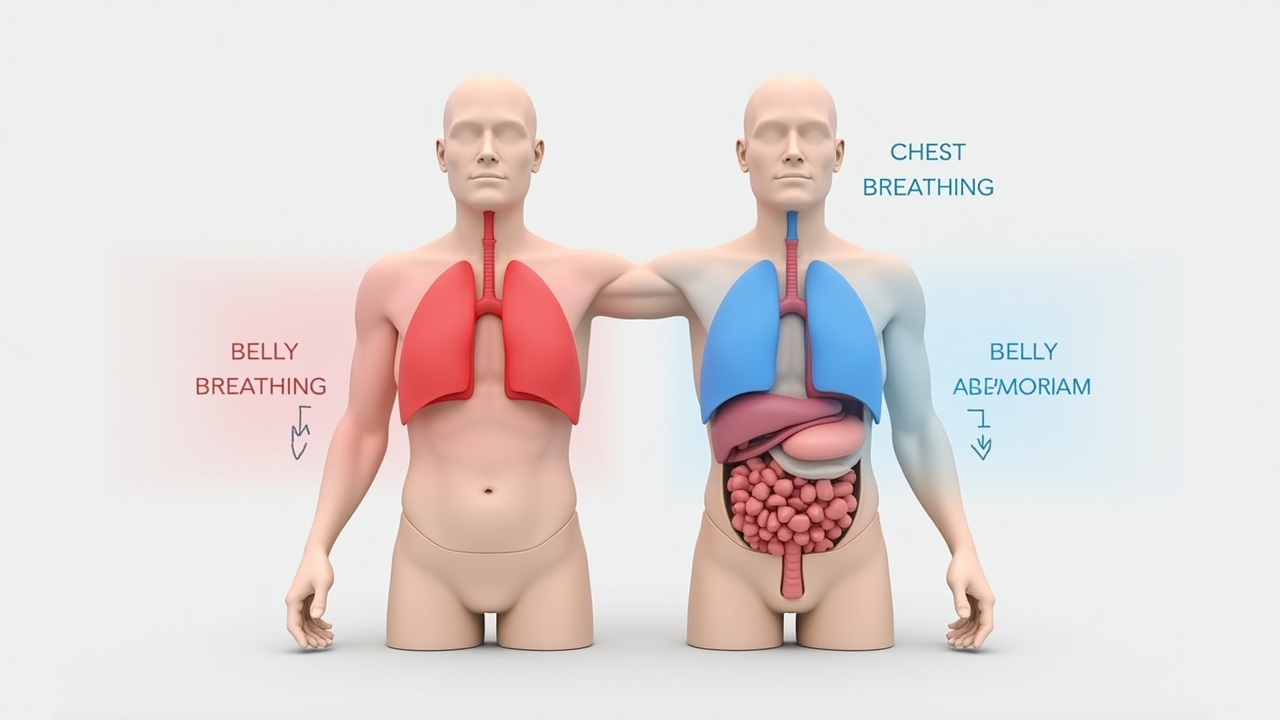
Here’s another mistake I see all the time — people breathing only into their chest, with their shoulders rising up to their ears. It looks tense because it IS tense. Shallow breathing activates your body’s stress response, keeping you in a low-grade fight-or-flight mode basically all day.
The fix is diaphragmatic breathing, or belly breathing. When you breathe deeply, your belly should expand first, then your chest. Think of it like filling a glass of water from the bottom up. Try placing one hand on your belly and one on your chest — if only your chest moves, you’ve got some work to do.
Advertisements
The Cleveland Clinic has a solid breakdown of how to practice diaphragmatic breathing if you want a step-by-step guide.
Breathing Too Fast
Most adults breathe between 12 to 20 times per minute. But research suggests the sweet spot for optimal health is closer to 5 to 6 breaths per minute. Breathing too fast — even if it doesn’t feel like hyperventilating — can throw off your carbon dioxide balance, which paradoxically makes it harder for oxygen to reach your tissues.
I remember the first time I tried slowing my breath down intentionally. It felt super uncomfortable, almost like I was suffocating. But that feeling? That’s actually just elevated CO2 tolerance kicking in. Your body just isn’t used to it yet. Stick with it and it gets easier, I promise.
Holding Tension in Your Breath
Ever catch yourself holding your breath while reading an email or scrolling through your phone? There’s actually a name for it — email apnea. It’s way more common than people realize, and it quietly ramps up your stress hormones without you noticing.
I caught myself doing this constantly while working at my desk. My shoulders were basically around my ears. Now I do a quick check every hour — relax the jaw, drop the shoulders, take one slow breath. Simple, but genuinely effective.
Ignoring Your Breath During Exercise
- Breathing erratically during workouts reduces performance and increases fatigue.
- Matching your breath to your movement — like exhaling on exertion — makes a big difference.
- For runners, a rhythmic breathing pattern can reduce injury risk and improve endurance.
- Don’t forget to breathe through your nose even during light to moderate exercise if possible.
I used to hold my breath doing squats like a complete rookie. Once I started exhaling on the way up, my lifts got stronger and I stopped feeling dizzy after sets. Lesson learned the hard way.
Take a Breath — Then Take Action
Look, breathing feels like the most basic thing in the world. But getting it right — really right — can change how you feel, think, and move through your day. Whether it’s switching to nasal breathing, slowing things down, or just noticing when you’re holding tension, every small adjustment adds up over time.
Start with one change. Pick the mistake that feels most familiar and work on that first. Don’t try to overhaul everything at once — that’s overwhelming and honestly unnecessary. Your breath is something you can return to anytime, anywhere. It’s always there waiting for you.
And if you want to keep learning about how to breathe better and live better, there’s a whole community doing exactly that over at One Big Breath — go check out some of the other posts. You might be surprised how much you didn’t know about something you’ve been doing your whole life.