Advertisements
The Physiological Sigh Technique: The Quickest Way to Calm Down Fast
Did you know that a single double inhale followed by a long exhale can reduce your stress levels in under 30 seconds? I know, it sounds almost too simple to be true. But honestly, the physiological sigh technique might just be the most underrated breathing hack out there right now.
I first stumbled across this technique during a really rough patch at work. Deadlines were piling up, my chest felt tight, and I was basically running on cold coffee and anxiety. A colleague mentioned something she’d heard on a podcast about a “double inhale breath,” and I remember thinking, “Yeah, sure, breathing is gonna fix my problems.” Spoiler alert — it kind of did.
So, What Exactly Is the Physiological Sigh?
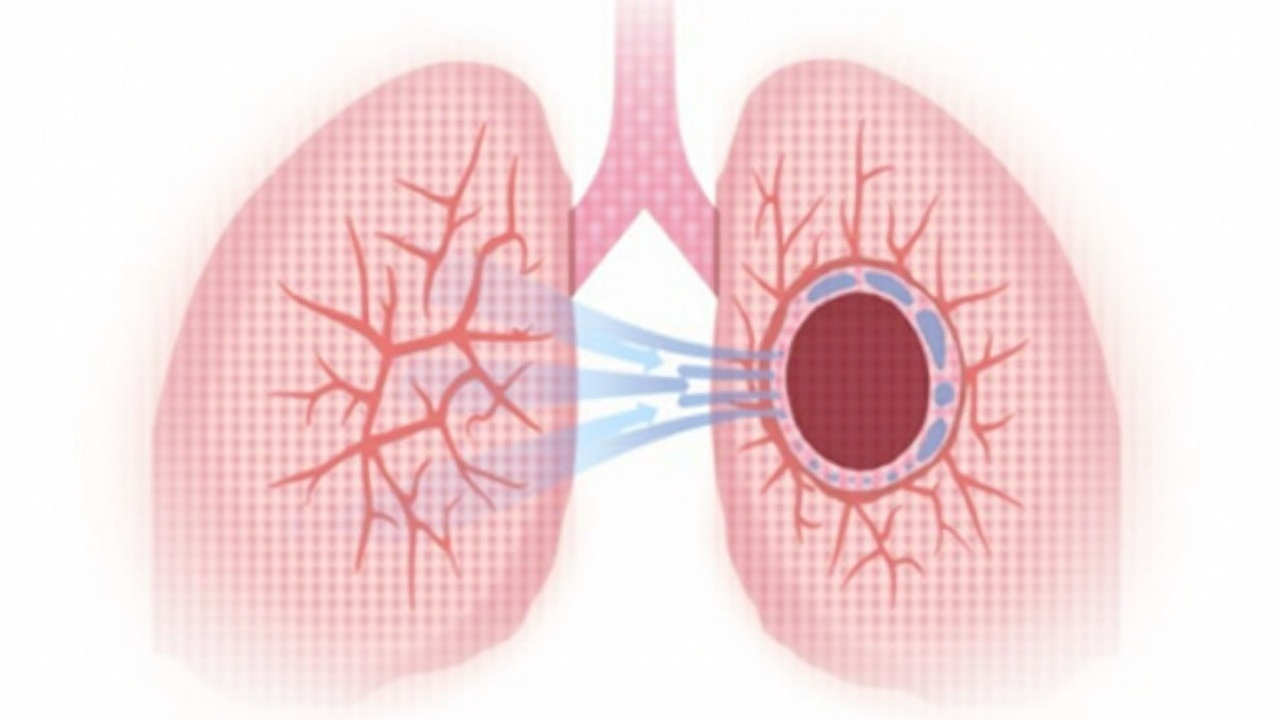
The physiological sigh is actually something your body does on its own, usually every few minutes, to re-inflate the tiny air sacs in your lungs called alveoli. According to Dr. Andrew Huberman from Stanford University, this automatic sigh is the fastest known way to reduce stress in real time. What makes it special is that double inhale — it maximally inflates those alveoli and allows for a bigger, more effective exhale.
Here’s the basic breakdown of how to do it:
- Take a deep breath in through your nose.
- At the top of that inhale, take one more short sniff in (yes, like a little “sniff” on top).
- Then do a long, slow exhale through your mouth — let it all out.
That’s genuinely it. No apps, no equipment, no subscription needed. Just you and your respiratory system doing their thing.
Why Does It Actually Work?
Okay, here’s where it gets nerdy — but stick with me, it’s worth it. When you exhale longer than you inhale, you activate your parasympathetic nervous system, which is the part of your body responsible for the “rest and digest” response. This essentially pumps the brakes on your fight-or-flight state. According to a 2023 study published in Cell Reports Medicine, cyclic sighing — doing this technique repeatedly for five minutes — was shown to be more effective at reducing anxiety than mindfulness meditation. That blew my mind a little, not gonna lie.
The extended exhale slows your heart rate by influencing the vagus nerve, which is basically the superhighway between your brain and your organs. Longer exhale, slower heart rate. Slower heart rate, calmer you. It really is that straightforward.
Advertisements
When Should You Use This Technique?
I’ve personally used the physiological sigh in some pretty wild situations. Before a job interview, in the middle of a parent-teacher conference that was going sideways, and once in a grocery store parking lot when I was about three seconds from losing it over a shopping cart situation. No judgment.
Some of the best moments to use it include:
- Right before a stressful conversation or presentation.
- When you wake up in the middle of the night with racing thoughts.
- During a panic attack or moment of acute anxiety.
- After an argument, when you need to reset your nervous system quickly.
- As part of a daily breathwork or stress management routine.
What I love about it most is that it’s totally discreet. You can literally do this in a meeting and nobody will notice. Nobody. It’s like a secret superpower you carry in your lungs.
A Few Tips From Someone Who’s Done It Wrong
Fair warning — the first time I tried this, I messed it up. I was so focused on the double inhale that I basically hyperventilated a little. Not the vibe. So here are a couple of things I learned the hard way:
- Don’t force the second sniff. It should be gentle, not a gasp.
- The exhale is the star of the show. Make it slow, make it long. That’s where the magic happens.
- Repeat if needed. One sigh helps, but two or three in a row can really deepen that calming effect.
Also, if you’re dealing with a serious anxiety disorder or any respiratory condition, it’s always a good idea to check in with a healthcare professional before starting any new breathing practice. This is a powerful tool, but it’s not a substitute for medical care.
Your Breath Is More Powerful Than You Think
Look, I’m not here to oversell you on some trendy wellness fad. But the physiological sigh technique is backed by real science, takes less than 30 seconds, and costs absolutely nothing. It’s changed how I handle stressful moments — and I genuinely think it can do the same for you. Start small, try it once today, and see how your body responds. You might be surprised by how much control you actually have over how you feel. And if you’re hungry for more on breathing, stress relief, and everything in between, head over to One Big Breath — there’s a whole world of content waiting for you there.