Advertisements
Breathing for Yoga Practice: The One Thing Nobody Told Me When I Started
Did you know that most beginner yogis spend 90% of their attention on body positions and almost zero on their breath? I was absolutely one of those people. When I first rolled out my mat, I was so focused on not falling over in Warrior II that I literally forgot to breathe. Like, actually forgot. My instructor had to tap me on the shoulder and say, “Hey, you can exhale now.” Embarrassing? Yes. Life-changing? Also yes!
Here’s the thing — breathing for yoga practice isn’t just some background detail. It’s the whole engine. Once I figured that out, everything shifted. My poses felt deeper, my mind got quieter, and I stopped leaving class feeling like I’d just survived something.
Why Your Breath Is the Real MVP of Yoga
In yoga, the breath is called pranayama — which roughly translates to “life force control.” That sounds intense, but it’s really just about being intentional with how you inhale and exhale during your practice. The breath connects your body and your mind, and without it, yoga is basically just stretching.
According to Healthline, controlled breathing can reduce stress, lower blood pressure, and improve focus. I noticed this firsthand after about three weeks of actually paying attention to my breath during yoga. My anxiety during tricky poses went way down. Turns out, when you breathe right, your nervous system chills out too.
The Basics: Ujjayi Breath (And Why It Sounds Like Darth Vader)
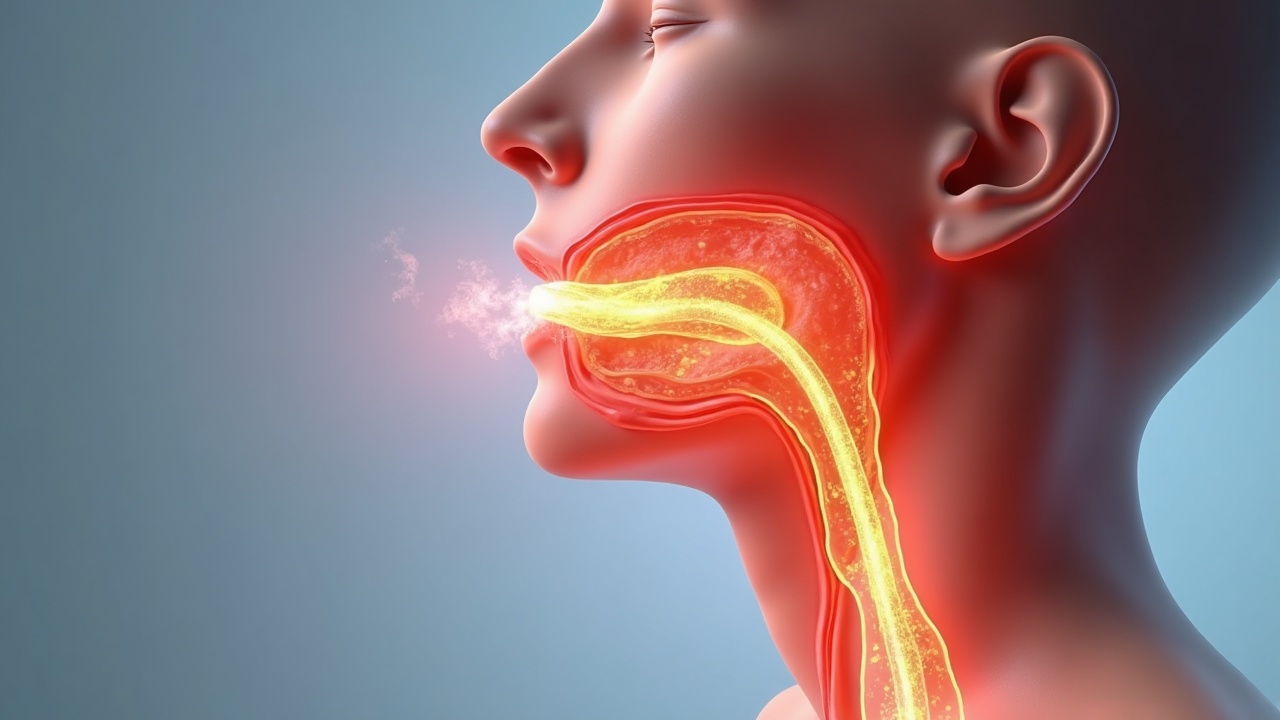
The most common breathing technique used in yoga is Ujjayi breath, also called “victorious breath” or, as my old yoga teacher lovingly called it, “the ocean breath.” You breathe in and out through your nose, with a slight constriction in the back of your throat. It creates this soft, audible sound — kind of like waves, kind of like Darth Vader. Both are accurate.
I remember the first time I got it right. I was in a slow flow class, and suddenly I could hear myself breathing, steady and rhythmic. It felt grounding in a way I hadn’t expected. Plus, honestly, it’s a great way to stay focused when your mind starts wandering to your grocery list mid-class.
Want to try it? Here’s a quick breakdown:
Advertisements
- Inhale slowly through your nose for about 4 counts
- Gently constrict the back of your throat (like you’re fogging up a mirror, but with your mouth closed)
- Exhale through your nose for 4–6 counts, keeping that same constriction
- Repeat, and let the sound guide you
Check out Yoga Journal’s guide on Ujjayi Pranayama for a deeper dive — it’s one of the best explanations I’ve come across.
Syncing Breath With Movement: Where the Magic Happens
Okay, so here’s where things get really interesting. In vinyasa-style yoga, every movement is linked to either an inhale or an exhale. Inhale to lengthen, exhale to go deeper. It sounds simple, but getting it wrong can actually make poses harder and even cause strain.
I made this mistake constantly early on. I’d exhale going into a backbend (wrong!) and then wonder why it felt so tight. Generally speaking, you inhale to open and expand — think chest openers, backbends, and lifting movements. You exhale to fold, twist, or contract — like forward folds or twists. Once I got that pattern down, my practice honestly transformed.
Here’s a simple cheat sheet I still use mentally:
- Inhale: Upward movements, chest openers, lengthening the spine
- Exhale: Downward movements, forward folds, deep twists
- Hold the breath: Rarely, and only in specific pranayama techniques like Kumbhaka (breath retention)
Common Breathing Mistakes (I’ve Made All of Them)
Holding your breath during hard poses is probably the number one mistake beginners make — and I did it constantly in arm balances. The moment a pose got tough, I’d clench everything, including my breath. That just creates more tension. Instead, try to breathe even more deliberately when things get hard.
Another big one? Breathing too shallowly. Chest breathing barely fills your lungs and keeps your body in a low-grade stress response. Diaphragmatic breathing — where your belly actually rises on the inhale — is what you’re going for. It activates the parasympathetic nervous system, which is basically your body’s “relax, everything’s fine” mode.
Take a Deep Breath — and Keep Exploring
Breathing for yoga practice is one of those things that seems small but changes everything once you prioritize it. Whether you’re a total newbie or you’ve been practicing for years, coming back to the breath is always worth it. And remember, there’s no perfect way to do this — find what works for your body, your pace, and your practice.
Just please, don’t hold your breath in Warrior II. Trust me on that one.
If you found this helpful and want to keep learning, there’s a whole lot more where this came from. Head over to One Big Breath — the blog is packed with practical tips, personal stories, and guidance for anyone looking to breathe a little better every day.