Advertisements
Tactical Breathing for First Responders: The Skill That Could Save Your Life
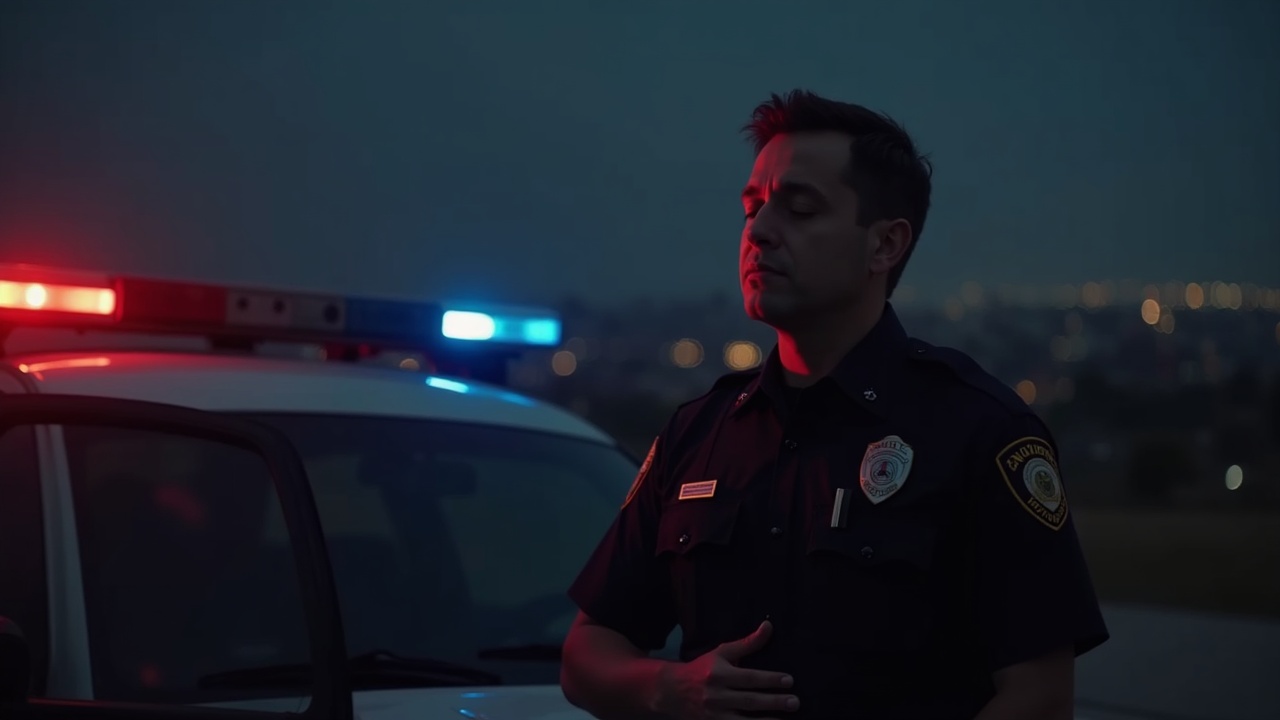
Did you know that during high-stress situations, the average person’s heart rate can spike to over 175 beats per minute? At that point, fine motor skills break down, tunnel vision kicks in, and decision-making goes straight out the window. I’ve been there — hands shaking, mind racing — and let me tell you, it’s not a fun place to be. That’s exactly why tactical breathing for first responders isn’t just a “nice to have.” It’s a must.
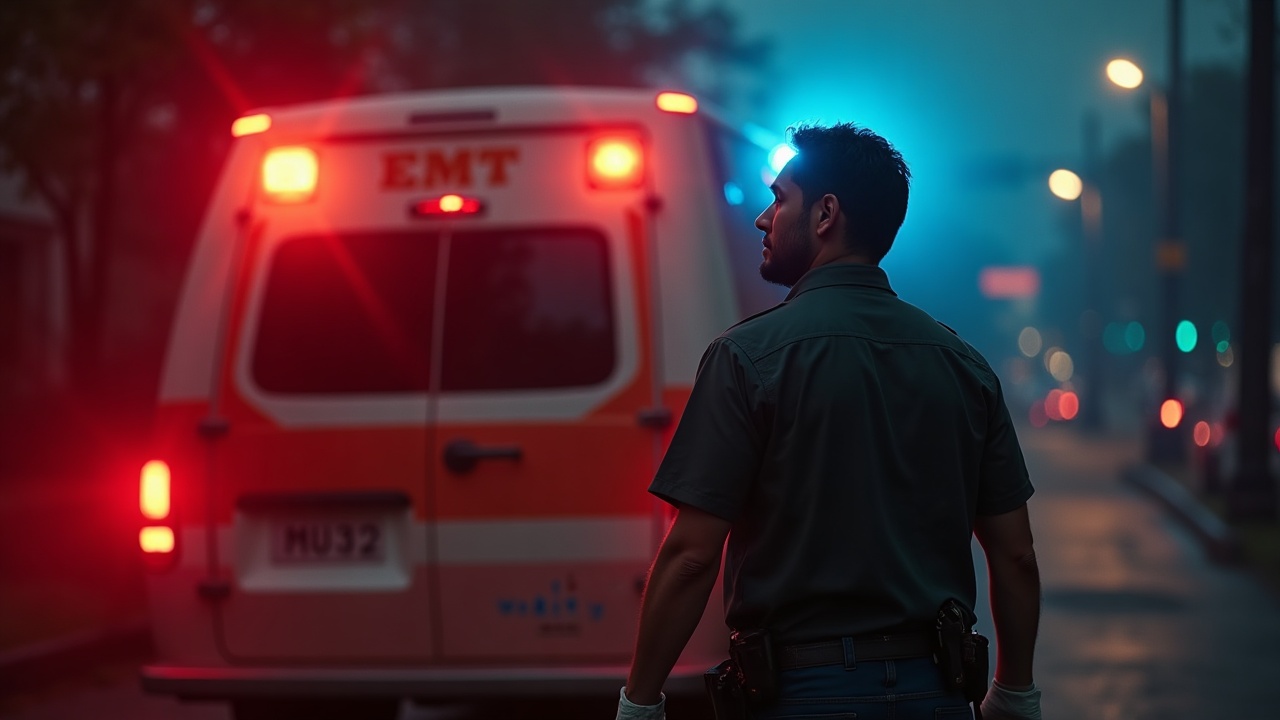
Whether you’re a firefighter, EMT, police officer, or even a military operator, your ability to stay calm under pressure can mean the difference between a good outcome and a tragic one. And honestly? It starts with something as simple as your breath.
What Is Tactical Breathing, Anyway?
Tactical breathing — sometimes called combat breathing or box breathing — is a controlled breathing technique designed to regulate your nervous system during high-stress scenarios. The most common method involves inhaling for 4 counts, holding for 4 counts, exhaling for 4 counts, and holding again for 4 counts. Simple. But wildly effective.
It works by activating your parasympathetic nervous system, which is basically your body’s built-in “calm down” switch. When stress hormones like cortisol and adrenaline flood your system, this technique helps put the brakes on that physiological response. According to research published by the National Institutes of Health, slow, controlled breathing can significantly reduce heart rate and anxiety within minutes.
My First Real Experience With It in the Field
I’ll be honest — the first time I tried box breathing during a live scenario, I totally botched it. I was so focused on counting in my head that I almost missed a radio call. Classic rookie mistake, right? But after practicing it religiously during training drills, it eventually became second nature.
The key is repetition. You gotta practice this stuff when the stakes are low so your body just… does it automatically when things get intense. Think of it like muscle memory, but for your nervous system. Over time, I noticed I was making clearer decisions and staying way more composed during critical incidents.
How First Responders Use Tactical Breathing in Real Situations
There are a few key moments when first responders can lean on tactical breathing techniques to stay sharp. Here’s a quick breakdown:
Advertisements
- Before entering a dangerous scene: A few rounds of box breathing can lower your heart rate and sharpen your focus before you even walk through the door.
- During prolonged high-stress events: Active shooter situations, multi-vehicle accidents, or structural fires — these can last hours. Micro-breathing resets throughout keep you from burning out mentally.
- After a critical incident: Tactical breathing is also used in post-incident recovery to help transition out of that heightened stress state and prevent long-term trauma responses.
- While administering care: EMTs and paramedics often use breath control to steady their hands and stay methodical during emergency medical procedures.
The PoliceOne resource on tactical breathing does a great job of breaking down how law enforcement specifically integrates this into their use-of-force training. Worth a read if you’re in that field.
The Science Behind Why It Works
Here’s where it gets kinda nerdy, but stick with me. When you’re under threat, your sympathetic nervous system — the “fight or flight” response — takes over. Your breathing becomes shallow and fast. That actually makes things worse, amplifying the stress response in a feedback loop.
Tactical breathing interrupts that loop. By consciously slowing your exhale in particular, you stimulate the vagus nerve, which sends a direct signal to your brain to chill out. It’s almost like hitting a reset button. The Harvard Health Blog has a solid explainer on how breath control directly influences the stress response — definitely bookmark that one.
Take a Breath — Literally
Look, I’m not saying tactical breathing is some magic cure-all. It won’t replace proper training, physical fitness, or strong team communication. But it’s one of the most accessible, zero-equipment tools any first responder can carry into the field — every single day.
Start practicing it now, during the boring moments. In the car. Before a shift. During a lunch break. Build that habit before you need it. And remember — every person in a high-risk role deserves the mental and physical tools to come home safe. That’s not optional.
If this topic resonates with you, there’s a whole lot more where this came from. Head over to One Big Breath and explore other posts about breathwork, stress management, and performance. You might just find your next favorite tool for keeping your cool when it counts most.