Advertisements
Hypopressive Breathing Exercises: The Breathing Trick That Changed My Core Forever
Did you know that roughly 1 in 3 women experience some form of pelvic floor dysfunction in their lifetime? I sure didn’t — until my physical therapist looked me dead in the eye and said, “You need to try hypopressive breathing exercises.” Honestly, I thought she was making up words. But here we are!
I’ve been teaching health and wellness concepts for over a decade, and I’ll be the first to admit: I had never heard of hypopressive breathing until a few years ago. Now, it’s basically part of my daily routine — like coffee, but way better for your pelvic floor.
So, What Exactly Are Hypopressive Breathing Exercises?
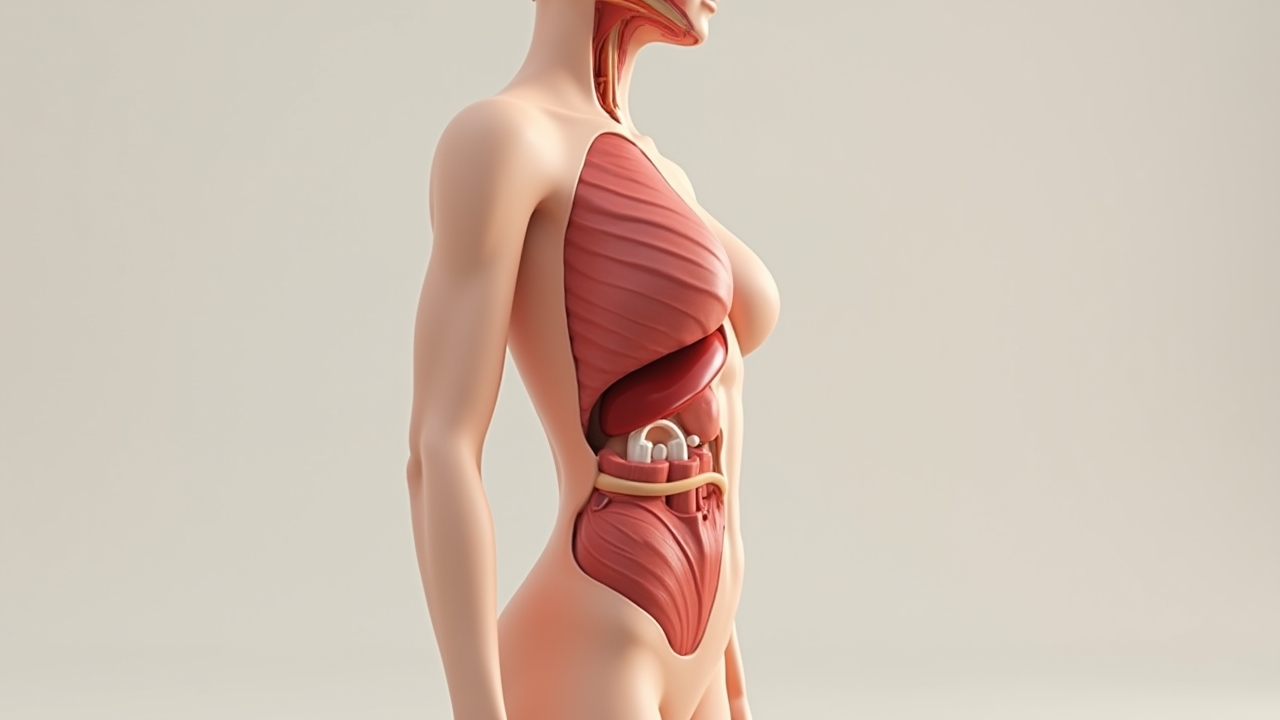
Hypopressive breathing is a technique that combines specific body postures with a very particular breathing pattern to reduce pressure inside your abdominal cavity. The word “hypopressive” literally means low pressure. Instead of pushing outward like traditional core exercises do, these movements actually pull everything inward and upward.
The basic sequence goes like this: you exhale all your air, hold your breath, and then expand your rib cage as if you’re trying to inhale — but without actually breathing in. This creates a vacuum-like effect in your belly. Weird, right? But incredibly effective.
According to research and practitioners like those at the Hypopressive Solutions Institute, this technique was originally developed by Dr. Marcel Caufriez in the 1980s to help postpartum women recover pelvic floor strength without worsening prolapse symptoms.
Why I Started (And Almost Quit)
Full transparency — the first time I tried hypopressive exercises, I nearly passed out. Not joking. I held my breath too long, stood up too fast, and had to sit down on my kitchen floor for a solid two minutes. Lesson learned: go slow!
But once I got the hang of it — probably after two weeks of practice — I started noticing real changes. My lower back felt less achy. My posture improved. And that annoying “pooch” I’d been blaming on pasta? Turns out it was intra-abdominal pressure all along.
Advertisements
Key Benefits of Hypopressive Breathing
- Pelvic floor strengthening — without the downward pressure of traditional kegels or crunches
- Reduced risk of prolapse — especially important for postpartum recovery
- Improved posture and spinal stability — because your deep core gets a proper workout
- Better breathing mechanics — your diaphragm learns to move more efficiently
- Decreased waist circumference — not magic, but it does happen over time
The National Library of Medicine has published studies showing promising results for hypopressive techniques in improving pelvic floor muscle tone, especially when compared to conventional training alone.
How to Do a Basic Hypopressive Breathing Exercise
Alright, let’s get practical. Here’s a simple starting sequence that I recommend to total beginners:
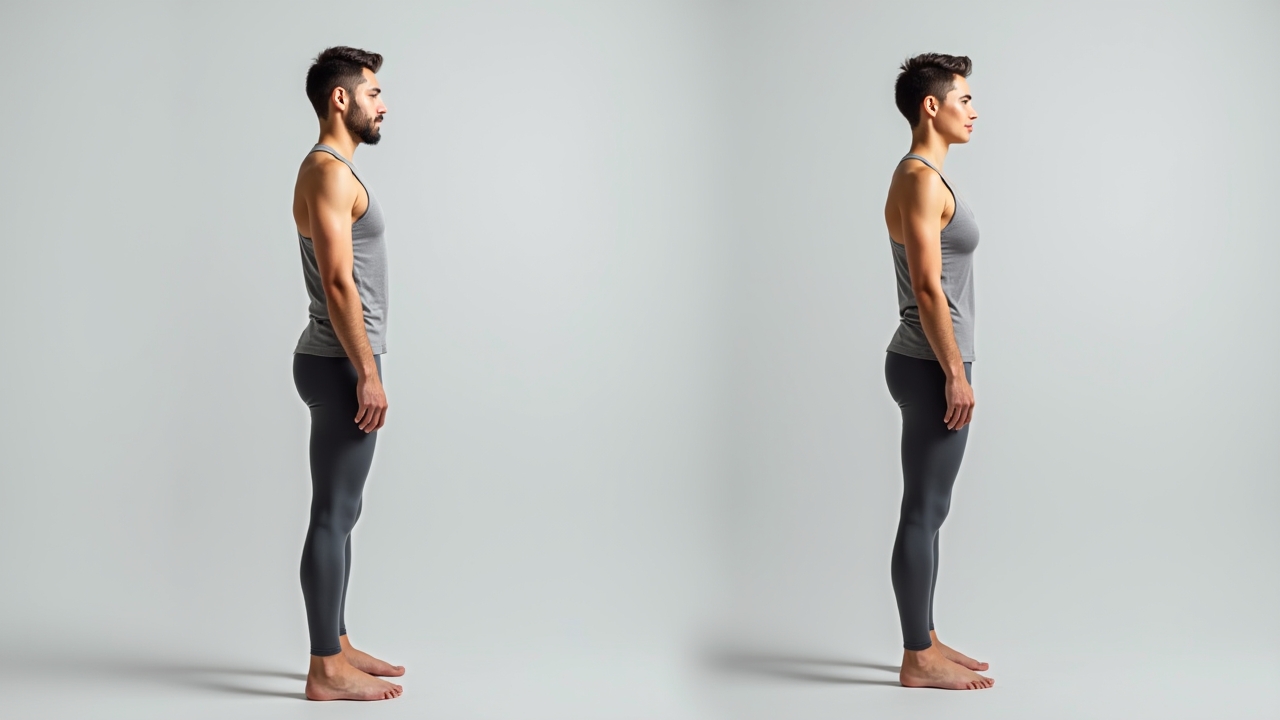
- Step 1: Stand tall with a slight forward lean, knees slightly bent.
- Step 2: Take a slow, deep breath in through your nose.
- Step 3: Exhale fully through your mouth — get every last bit of air out.
- Step 4: Hold your breath and open your rib cage wide, as if you’re about to inhale.
- Step 5: Hold this “apnea” for about 8–10 seconds, then breathe normally.
You can check out this helpful visual guide from YouTube tutorials on hypopressive breathing to see exactly what the rib cage expansion should look like. Seeing it in action made a huge difference for me personally.
A Few Tips From Someone Who’s Been There
Practice on an empty stomach — seriously, don’t eat a big meal beforehand. Also, don’t rush the breath hold. Eight seconds feels like forever at first, but your body adapts faster than you’d think.
Start with just 3 repetitions a day and work your way up gradually. Consistency beats intensity every single time with this technique.
Your Core Will Thank You — Promise
Hypopressive breathing exercises aren’t some trendy fitness fad. They’re a legit, science-backed approach to building a stronger, healthier core from the inside out. Whether you’re recovering postpartum, dealing with lower back pain, or just curious about diaphragmatic training, this technique deserves a spot in your wellness toolkit.
That said, always check with a qualified pelvic floor physiotherapist before starting — especially if you have existing health conditions. What works beautifully for one person might need to be tweaked for another, and that’s totally okay.
Ready to keep exploring the world of breathing and wellness? Head over to One Big Breath — there’s a whole community of posts waiting for you there!