Advertisements

How Long Should You Do Breathwork Daily? Here’s What Actually Works
Did you know that just five minutes of intentional breathing can lower your cortisol levels and shift your nervous system out of fight-or-flight mode? I was honestly shocked when I first read that. I’d always assumed breathwork was one of those things you had to commit hours to before seeing any real benefit — like learning guitar or getting good at yoga. Turns out, I was totally wrong!
So, how long should you actually do breathwork daily? That’s the question I kept Googling when I first started my practice, and I never got a straight answer. Today, I’m going to break it down for you in plain English — no fluff, no guru-speak.
There’s No One-Size-Fits-All Answer (But Here’s a Starting Point)
Honestly, the “right” amount of daily breathwork depends on your goals, your schedule, and where you’re starting from. That said, most breathwork practitioners and researchers suggest somewhere between 5 to 20 minutes per day for beginners. If you’re just dipping your toes in, even 5 minutes of diaphragmatic breathing or box breathing in the morning can make a noticeable difference.
I remember my first week doing breathwork — I set a timer for 20 minutes and nearly lost my mind by minute seven. My thoughts were all over the place, and I kept peeking at the clock. So yeah, start small. There’s zero shame in it.
How Long Depending on Your Goal
Here’s where it gets interesting. The ideal session length actually shifts based on what you’re trying to achieve. Let me break it down:
- Stress relief and relaxation: 5–10 minutes is usually plenty. Techniques like 4-7-8 breathing or slow diaphragmatic breathing work fast when done consistently.
- Better focus and mental clarity: Aim for 10–15 minutes. Box breathing, famously used by Navy SEALs, is great here and can be done before a big meeting or study session.
- Emotional processing or trauma work: This is where sessions can stretch to 20–45 minutes. Practices like holotropic breathwork go deep, and they’re best done with guidance — not just a YouTube video on your couch.
- Sleep improvement: A short 5–10 minute session right before bed using slow, extended exhales can be a total game-changer for winding down.
So really, it’s less about clocking the “right” number of minutes and more about matching your practice to your intention. Think of it like working out — a 5-minute stretch isn’t the same as a 45-minute strength session, and both have their place.
What Happens If You Overdo It?
Oh boy, this is something I learned the hard way. About three months into my practice, I got a little too enthusiastic and started doing 40-minute sessions of intense circular breathing every single morning. By day four, I was dizzy, emotional, and snapping at my partner for no reason. Fun times. Not.
Advertisements
Overdoing breathwork — especially more intense styles — can lead to hyperventilation, tingling in the hands, lightheadedness, or even emotional overwhelm. According to research published in the National Library of Medicine, breathwork is generally safe, but duration and intensity should be increased gradually. Your nervous system needs time to adapt, just like your muscles do after a tough workout.
My Personal Daily Breathwork Routine (That Actually Stuck)
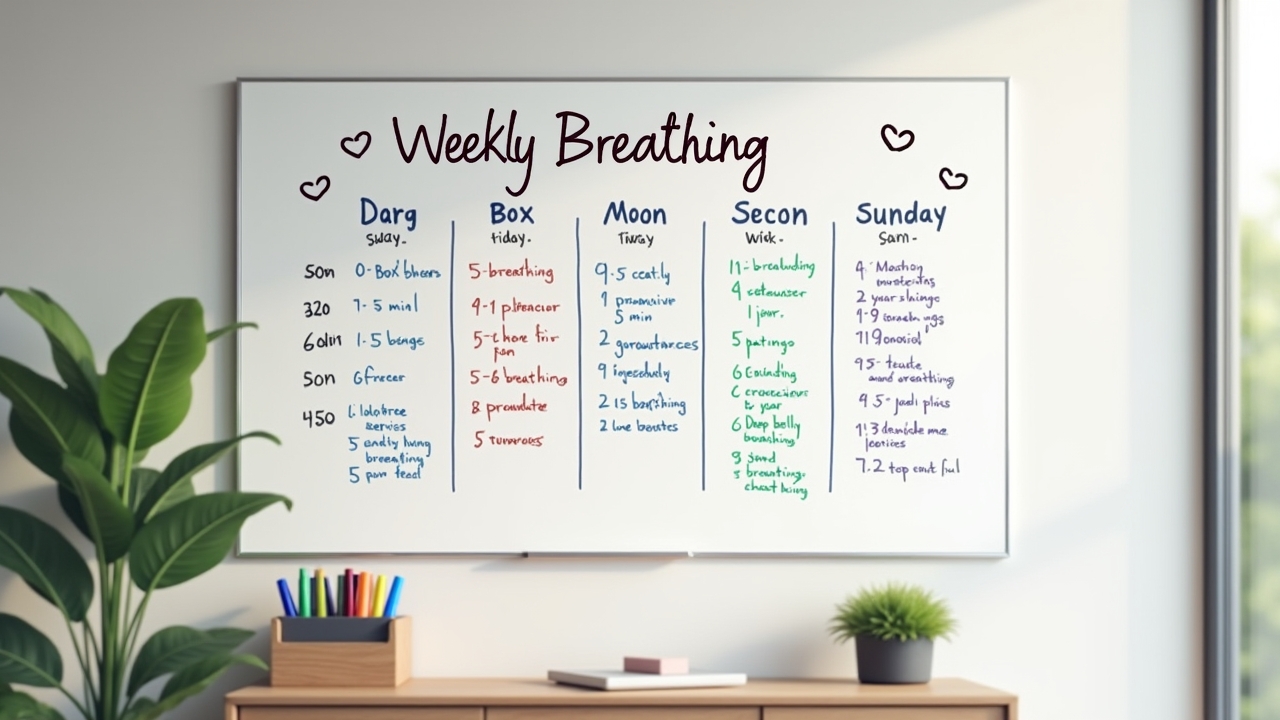
After a lot of trial and error, here’s what I landed on — and what I now recommend to anyone just getting started:
- Morning (5–10 minutes): Box breathing or simple belly breathing to set a calm, focused tone for the day.
- Afternoon (2–5 minutes, optional): A quick reset breath if stress is creeping up — especially helpful after back-to-back meetings or a frustrating commute.
- Evening (5–10 minutes): Slow, extended exhale breathing to help signal to my body that it’s time to wind down.
That’s it. Nothing fancy. And consistency, I’ve found, is way more powerful than duration. Fifteen minutes every day beats a two-hour session once a week, every single time.
The Breath Is Always There When You’re Ready
Here’s the beautiful thing about breathwork — it’s always available to you, no equipment needed, no gym membership required. Whether you start with five minutes or twenty, what matters most is that you show up for it regularly. As you build the habit, you’ll naturally start to feel what your body needs on any given day. Some days five minutes is enough. Other days, you’ll want to sink in a little longer. Trust that.
Just please, be gentle with yourself — especially if you’re exploring deeper breathwork practices. Always check with a healthcare professional if you have cardiovascular issues, respiratory conditions, or a history of trauma. The breath is powerful, and it deserves respect.
If you’re curious to learn more and want to keep exploring this stuff, head over to One Big Breath — there are some seriously great reads over there that’ll take your practice to the next level. You won’t regret it!