Advertisements

Crocodile Breathing Exercise: The Surprisingly Simple Technique That Changed How I Breathe
Did you know that most adults breathe wrong — like, every single day? I was today years old when I found out I’d been doing it all wrong for decades. Shallow chest breathing, mouth open, shoulders tense. Sound familiar? That’s when I stumbled onto the crocodile breathing exercise, and honestly, it kind of blew my mind.
This technique is one of those things that sounds almost too simple to work. But trust me — and I say this as someone who rolled their eyes the first time they heard about it — it’s a total game changer for your nervous system, posture, and overall breathing mechanics.
So, What Exactly Is the Crocodile Breathing Exercise?
The crocodile breathing exercise is a diaphragmatic breathing technique where you lie face-down on the floor, just like a crocodile chilling in the sun. Your forehead rests on your hands, your legs are relaxed, and you breathe deeply so your belly and lower back expand outward with each inhale. It’s designed to retrain your body to use the diaphragm properly instead of relying on shallow chest breathing.
This method is widely used in physical therapy, yoga, and Dynamic Neuromuscular Stabilization (DNS) to restore natural breathing patterns. The prone position — meaning face-down — makes it way easier to feel whether your diaphragm is actually doing its job. It’s almost like cheating, in the best possible way.
How to Do the Crocodile Breathing Exercise (Step by Step)
Let me walk you through exactly how I do it, because the first time I tried, I totally messed up the positioning and wondered why nothing felt different. Here’s what actually works:
- Lie face-down on a firm, flat surface like a yoga mat or the floor.
- Stack your hands and rest your forehead on top of them.
- Let your feet fall naturally to the sides — no need to hold anything tight.
- Take a slow, deep inhale through your nose and feel your belly push into the floor.
- Your lower back and sides should also expand — that’s the 360-degree breathing we’re going for.
- Exhale slowly and feel everything gently deflate.
- Repeat for 5 to 10 minutes, or until you feel noticeably more relaxed.
That belly-pushing-into-the-floor sensation? That’s your diaphragm finally doing its thing. The first time I felt it clearly, I was like — oh wow, so that’s what breathing is supposed to feel like.
Why Diaphragmatic Breathing Actually Matters
Here’s the deal with diaphragmatic breathing — it activates your parasympathetic nervous system, which is basically your body’s “rest and digest” mode. According to research from Frontiers in Psychology, slow diaphragmatic breathing can significantly reduce cortisol levels and improve focus. That’s a pretty big deal when you’re stressed out and running on fumes.
Advertisements
Most of us default to chest breathing, especially when anxious or hunched over a desk all day. Over time, this creates tension, poor posture, and even contributes to back pain. The crocodile position essentially forces your chest out of the equation, which is exactly why it’s so effective at retraining your breath.
Common Mistakes I Made (So You Don’t Have To)
Oh man, I made a few rookie mistakes when I first started. For one, I kept trying to breathe too fast, like I was in some kind of race. Slow down — seriously. The whole point is to get your nervous system to chill out, and speed-breathing kind of defeats the purpose.
Another mistake? Holding my breath at the top of the inhale. That’s a nervous habit that sneaks in and messes with the flow. Also, I kept lifting my head slightly, which tensed up my neck and shoulders. Keep that forehead heavy on your hands and let everything go soft. It takes a few sessions to get comfortable, but once you do, it feels incredible.
When and How Often Should You Practice It?
Honestly, I try to do crocodile breathing every morning before I get out of bed — or at least a few times a week. Even just 5 minutes makes a noticeable difference in how centered I feel throughout the day. It’s also amazing right before bed if your mind is racing.
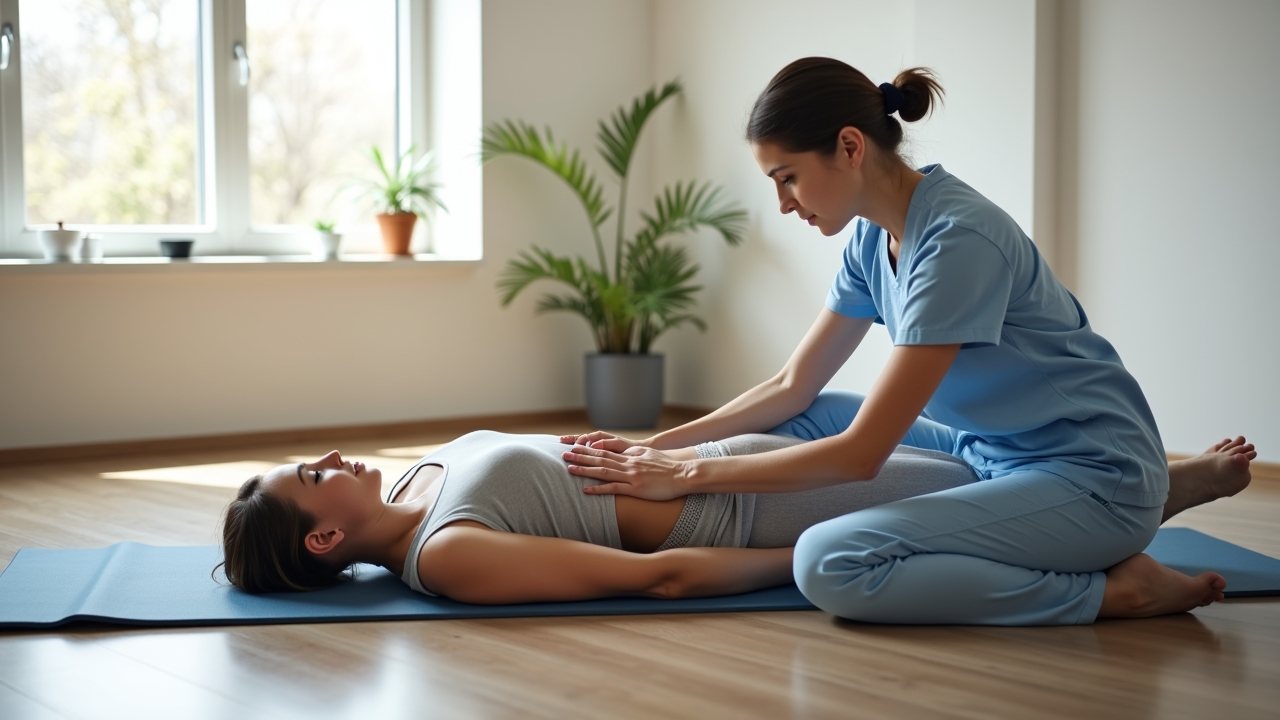
If you’re dealing with chronic back pain or breath-related issues, Physiopedia recommends working with a physical therapist who can guide your diaphragmatic breathing practice safely. That’s especially important if you’re pregnant, have respiratory conditions, or are recovering from injury. Always good to check with a pro.
Ready to Take a Deeper Breath?
The crocodile breathing exercise is one of those rare techniques that’s free, simple, and genuinely effective — but only if you actually do it consistently. Start small, be patient with yourself, and pay attention to how your body responds. You don’t have to overhaul your whole wellness routine. Just lie down, breathe like a crocodile, and let your nervous system do the rest.
And hey, if you’re into this kind of stuff, there’s a whole world of breathing knowledge waiting for you. Head over to the One Big Breath blog — there are some seriously eye-opening posts on breathwork, mindfulness, and building healthier habits one breath at a time.