
Advertisements
Breathing and Gut Health: The Surprising Connection You Never Knew You Needed
Did you know that roughly 70% of your immune system lives in your gut? I didn’t either — until my stomach basically staged a full-on rebellion a few years back. Bloating, cramps, the works. And the fix? It wasn’t a new diet or some fancy probiotic. It was breathing. Yep, just breathing differently changed everything for me.
What Does Breathing Have to Do With Your Gut?
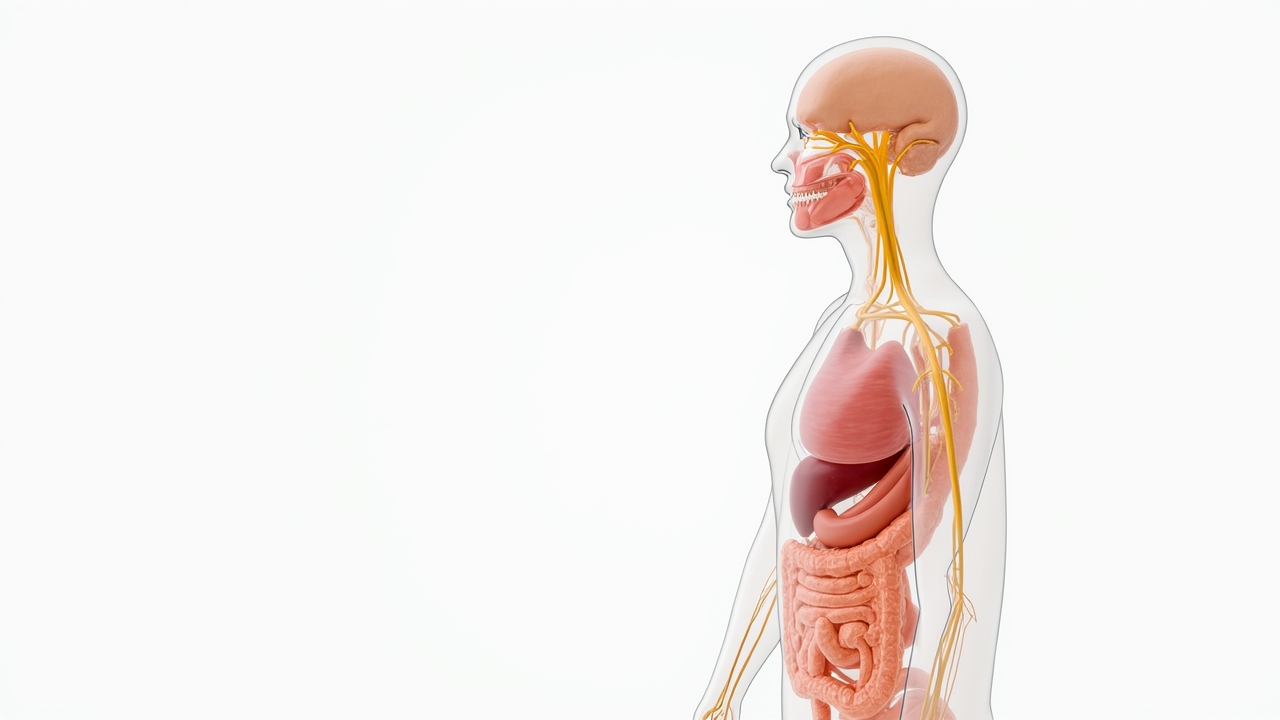
More than you’d think, honestly. Your gut and your brain are connected through something called the gut-brain axis, a two-way communication highway that links your digestive system to your central nervous system. When you’re stressed and breathing in short, shallow bursts, your body kicks into fight-or-flight mode. And digestion? It basically gets put on hold.
That’s where things get interesting. Slow, deep breathing activates the parasympathetic nervous system — what people call the “rest and digest” mode. This tells your gut it’s safe to do its job. So when your breathing is off, your gut health can really take a hit.
My Personal Gut-Wrenching Wake-Up Call
A few years ago, I was dealing with a stressful school year — deadlines piling up, no time to eat properly, and I was basically breathing like I’d just run a marathon all day long. Shallow, fast, chest-only breaths. My gut was a mess. I tried cutting out dairy, going gluten-free for like two weeks, even tried those expensive digestive enzymes. Nothing stuck.
Then a colleague of mine — a yoga teacher, total cliché I know — suggested I look into diaphragmatic breathing. I was skeptical, ngl. But I gave it a shot. Within a couple of weeks of practicing belly breathing for just 10 minutes a day, my bloating had noticeably calmed down. I was honestly shocked.
How Diaphragmatic Breathing Supports Digestion
When you breathe deeply into your belly, your diaphragm moves downward and massages the organs below it — including your intestines and stomach. This gentle movement actually helps stimulate peristalsis, which is the wave-like motion your gut uses to move food along. Think of it like a free, internal massage for your digestive tract.
Also, deep breathing lowers cortisol levels. High cortisol — your main stress hormone — is known to disrupt the gut microbiome, reducing beneficial bacteria and increasing gut permeability, sometimes called “leaky gut.” So keeping cortisol in check through breathing is a legit strategy for protecting your gut health long-term.
Advertisements
Simple Breathing Techniques to Try Right Now
- Box Breathing: Inhale for 4 counts, hold for 4, exhale for 4, hold for 4. Repeat 4-5 times before meals to calm your nervous system.
- Diaphragmatic Breathing: Place one hand on your chest and one on your belly. Breathe in slowly through your nose, making only your belly hand rise. Do this for 5-10 minutes daily.
- 4-7-8 Breathing: Inhale for 4 counts, hold for 7, exhale slowly for 8. This one’s great before bed and can help with nighttime digestive discomfort.
- Humming or Nasal Breathing: Nasal breathing increases nitric oxide, which supports circulation and smooth muscle relaxation in your gut wall.
Start small. Even five minutes before a meal can make a real difference. I usually do a quick box breathing session right before lunch — it’s become a non-negotiable for me.
When to Breathe for Maximum Gut Benefit
Timing actually matters here. Practicing breathwork before meals primes your digestive system to do its job efficiently. After meals, light nasal breathing (instead of rushing back to your desk) helps keep you in that parasympathetic state where digestion thrives. And honestly, avoiding the habit of eating while stressed — easier said than done, I know — is probably one of the biggest game-changers you can make.
Your Gut Will Thank You — I Promise
Here’s the thing: breathing isn’t a magic cure, and every gut is different. If you’re dealing with serious digestive issues, please do talk to a healthcare professional before assuming breathwork will fix everything. But as a complementary practice? It’s free, it’s accessible, and the science behind the gut-breath connection is genuinely compelling.
Take what works for you, leave what doesn’t, and experiment a little. Your gut, your nervous system, and honestly your whole mood might just thank you for it. And if you’re curious to dive deeper into the world of breathwork and wellness, head over to One Big Breath — there’s a whole community of posts over there waiting to help you breathe better and live better.