
Advertisements
How to Teach Kids Breathing Exercises (And Actually Make It Fun)
Did you know that nearly 1 in 3 children will experience an anxiety disorder before they turn 18? That stat hit me hard when I first read it. As a teacher and a parent, I knew I had to do something — and honestly, teaching kids breathing exercises turned out to be one of the best tools I ever added to my toolkit.
It sounds simple, right? Just breathe. But there’s actually a lot of skill involved in using your breath to calm your nervous system, and kids need to be taught how to do it properly. The good news? It’s way easier than you think — and kids genuinely love it once you make it a little playful.
Why Breathing Exercises Matter for Kids
When kids are stressed, anxious, or overwhelmed, their bodies go into fight-or-flight mode. Their heart races, their muscles tense up, and rational thinking basically flies out the window. Deep breathing exercises for kids work by activating the parasympathetic nervous system — basically telling the body, “Hey, we’re safe. Chill out.”
I remember one afternoon in my classroom when a student had a full-on meltdown before a big test. Instead of sending him to the hallway (which I’ll admit was my first instinct), I pulled him aside and we did a quick breathing exercise together. Within two minutes, he was back in his seat. It was kind of amazing, honestly.
Beyond managing anxiety, mindful breathing for children can also improve focus, sleep quality, and emotional regulation. These are life skills, not just stress-relief tricks.
The Best Breathing Exercises to Teach Kids
Not all breathing techniques are created equal — especially when it comes to keeping kids engaged. Here are a few that have worked really well for me over the years.
Belly Breathing (Diaphragmatic Breathing)
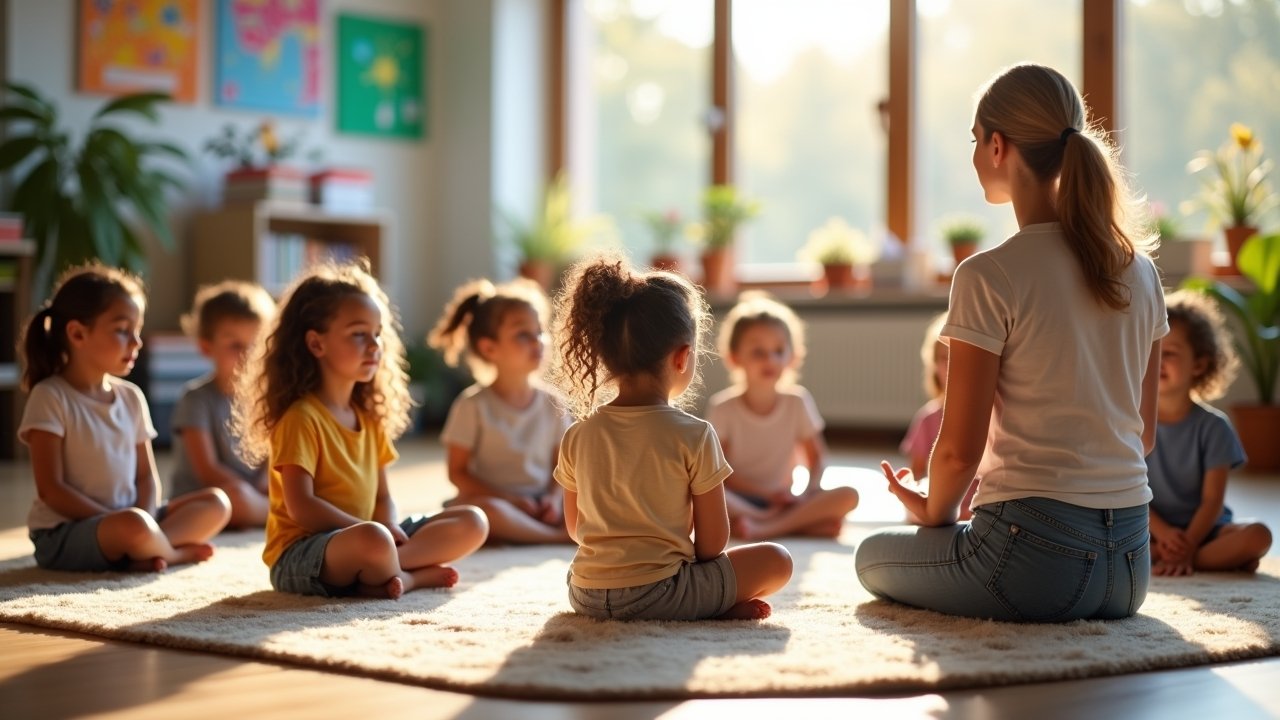
This is the foundation. Have the child place one hand on their belly and one on their chest. They breathe in slowly through the nose, feeling their belly rise, then exhale through the mouth. The chest should barely move. It’s the basics, but it works like a charm for kids as young as 4 or 5.
Advertisements
Box Breathing
Box breathing is a favorite of mine because it’s easy to visualize. You breathe in for 4 counts, hold for 4, breathe out for 4, and hold again for 4. I actually have kids draw a square in the air with their finger while they do it. Healthline has a great breakdown of box breathing if you want to dig deeper into why it works so well.
Flower and Candle Breathing
This one is perfect for younger kids. Pretend to smell a flower (inhale through the nose), then blow out a candle (exhale through the mouth). Simple, memorable, and — let’s be real — kind of adorable to watch. I used this one with my nephew when he was going through a rough patch at school and he still uses it now at age 9.
4-7-8 Breathing
For older kids, the 4-7-8 breathing technique developed by Dr. Andrew Weil is a solid option. Inhale for 4 counts, hold for 7, exhale for 8. It’s a little more advanced, but tweens tend to respond well to it because it feels more “grown-up.”
Tips for Teaching Breathing Exercises to Kids
- Keep sessions short — 2 to 5 minutes is plenty, especially at first.
- Make it a routine, not just a crisis tool. Practice daily so it becomes second nature.
- Use visuals or props like pinwheels, bubbles, or stuffed animals on the belly to keep it engaging.
- Model it yourself. Kids mirror adults, so let them see you doing it too.
- Never force it. If a child resists, back off and try again later in a calmer moment.
One mistake I made early on was only busting out breathing exercises when things had already gone sideways. That’s like only practicing fire drills during an actual fire. Teaching relaxation techniques for children works best when it’s practiced regularly, not just in emergencies.
A Little Breath Goes a Long Way
Teaching kids to breathe intentionally is one of those small things that can genuinely change their lives. Whether your child struggles with anxiety, big emotions, or just needs help winding down at bedtime, these techniques are safe, effective, and free. Of course, every child is different — so feel free to tweak these exercises to fit your kid’s personality and needs. And always keep it positive. This should feel like a superpower, not a chore.
If you found this helpful, there’s so much more where that came from! Head over to the One Big Breath blog for more tips, techniques, and real-talk guides on breathing and mindfulness for the whole family. You won’t regret it!