Advertisements
Three-Part Yogic Breath: The Simple Technique That Changed How I Breathe Forever
Did you know that most people only use about 33% of their total lung capacity when they breathe? Yeah, that blew my mind too when I first heard it in a yoga class back in 2018. I remember sitting on my mat, thinking I was doing everything right — until my instructor stopped mid-sentence and said, “You’re barely breathing.” Ouch. That was the day I got introduced to the three-part yogic breath, and honestly? Nothing has been the same since.
So, What Exactly Is the Three-Part Yogic Breath?
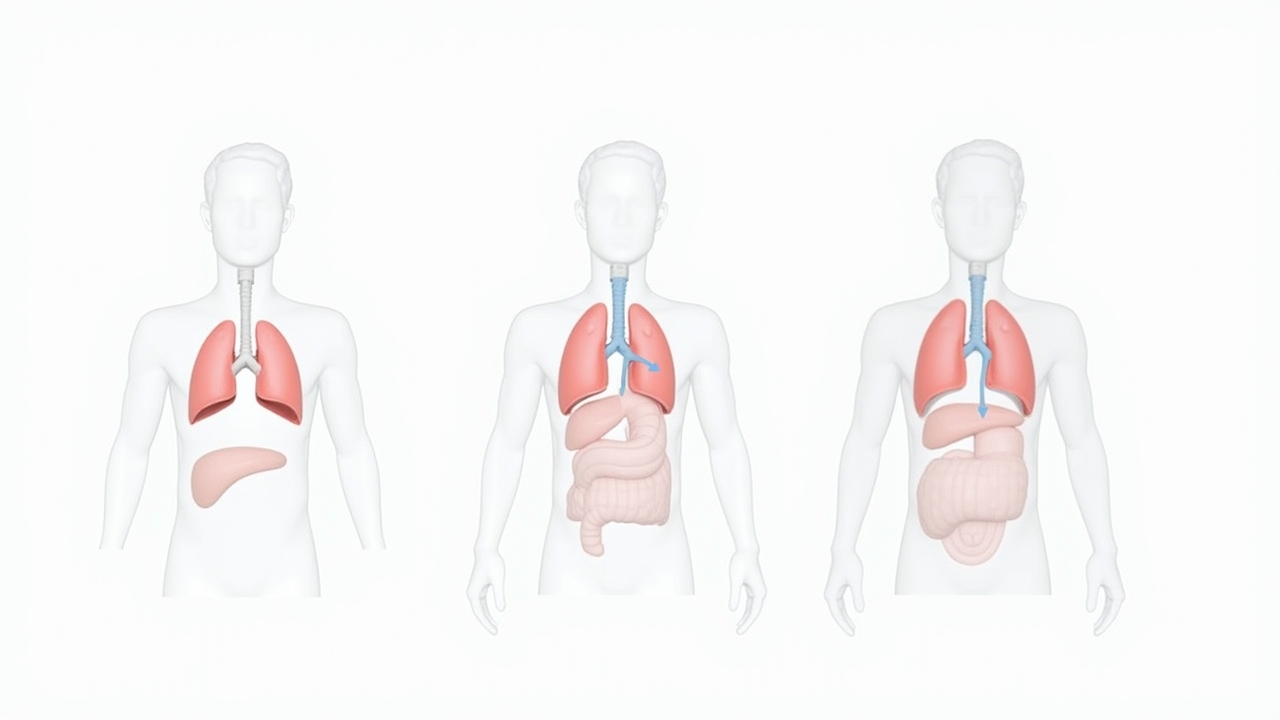
The three-part yogic breath — also called Dirga Pranayama in Sanskrit — is a foundational breathing technique used in yoga and mindfulness practices. It involves consciously filling three distinct regions of your lungs: the belly, the chest, and the upper chest or collarbone area. Each “part” is engaged in sequence, creating a full, complete breath.
Think of it like filling a glass of water from the bottom up. First, your belly expands. Then your ribcage widens. Finally, your upper chest lifts. And on the exhale, you release in reverse — top to bottom. Simple in theory, but surprisingly tricky at first!
The Three Parts, Broken Down
- Part 1 – Belly Breathing (Diaphragmatic Breath): Your diaphragm drops down, your belly puffs out, and air fills the lower lobes of your lungs. Most of us forget this part entirely because we’ve been taught to “suck in” our stomachs.
- Part 2 – Chest Breathing (Thoracic Breath): Once the belly is full, your ribcage expands outward to the sides, drawing air into the middle portion of the lungs.
- Part 3 – Upper Chest Breathing (Clavicular Breath): The final stage, where your upper chest and collarbones rise slightly, filling the very top of the lungs with air.
The Yoga Journal describes Dirga Pranayama as one of the most grounding and calming breathwork techniques available. And from personal experience? I totally agree.
How I Messed It Up (And What I Learned)
Okay, real talk — the first few times I practiced this, I was a total mess. I kept puffing my chest before filling my belly, which is basically backwards. My instructor kept saying, “Start low, go slow,” and I kept nodding like I got it… while absolutely not getting it. It took me about two weeks of daily practice before it started to feel natural.
One thing that really helped me was lying flat on my back with one hand on my belly and one on my chest. That physical feedback made a huge difference. If your belly hand isn’t rising first, you’re skipping step one. Don’t do what I did and rush through it — slow down and feel each stage.
Why Bother? The Real Benefits
Beyond just “breathing better,” the three-part yogic breath comes with some pretty legit benefits. Research from the National Institutes of Health has linked deep, diaphragmatic breathing to reduced cortisol levels, lower blood pressure, and improved focus. That’s not just yoga talk — that’s science.
Advertisements
- Activates the parasympathetic nervous system (your “rest and digest” mode)
- Reduces stress and anxiety naturally
- Improves oxygen exchange in the lungs
- Increases body awareness and mindfulness
- Supports better posture over time
Honestly, I started using this breath before tough meetings at work, and it’s been a total game-changer for managing stress on the fly.
How to Practice It: A Quick Step-by-Step
You don’t need a yoga mat or a studio to try this. Just find a quiet spot, sit tall or lie down, and follow these steps:
- Close your eyes and relax your shoulders.
- Exhale completely through your nose.
- Inhale slowly, first expanding your belly, then your ribcage, then your upper chest.
- Pause briefly at the top of the breath.
- Exhale in reverse: upper chest drops, ribcage contracts, belly draws in.
- Repeat for 5–10 cycles.
For a visual walkthrough, this guided video on YouTube is one I personally recommend to beginners — it really helped me nail the sequence.
Take Your Next Breath With Intention
Here’s the thing — breathing is something we do about 20,000 times a day, and most of those breaths are completely unconscious. Learning the three-part yogic breath is really just about taking back control of something your body already knows how to do. Take your time with it, make it your own, and don’t stress if it feels weird at first. That’s part of the process!
Just remember, if you have any respiratory conditions or feel dizzy during breathwork, please check in with a healthcare professional before diving deep into pranayama practice. Safety first, always.
And hey — if you’re loving this stuff, there’s so much more where that came from. Head over to the One Big Breath blog for more articles on breathwork, mindfulness, and simple techniques that can genuinely shift how you feel every day. You won’t regret it!