Advertisements
Alternate Nostril Breathing: The Weird Little Trick That Honestly Changed My Evenings
Here’s a stat that stopped me in my tracks: according to the American Psychological Association, over 76% of adults reported health impacts due to stress in recent years. Seventy-six percent! I was absolutely one of them, tossing and turning at 2 a.m., mind racing about lesson plans and bills and whether I remembered to email that parent back. Then a yoga instructor friend told me about alternate nostril breathing, and honestly, I thought she was messing with me.
But she wasn’t. And now it’s become one of my favorite pranayama techniques — a legit breathing exercise rooted in ancient yogic tradition that takes less than five minutes. Let me walk you through how I learned it, botched it, and eventually got it right.
So What Exactly Is Alternate Nostril Breathing?
Alternate nostril breathing, known as Nadi Shodhana in Sanskrit, is a yogic breath control practice where you inhale through one nostril, hold briefly, then exhale through the other. The idea is that it balances the left and right hemispheres of the brain and calms your nervous system. It’s been practiced for thousands of years, and there’s actually research published on PubMed supporting its effects on heart rate variability and stress reduction.
Think of it like a reset button for your mind. When everything feels chaotic, this simple breathwork technique brings you back to center. It sounds almost too easy to be effective, but that’s part of its beauty.
How I Completely Butchered It the First Time
Okay, so picture this. I’m sitting on my bedroom floor, YouTube tutorial playing on my phone, and I’m pressing my entire palm against my face like I’m trying to stop a nosebleed. My wife walked in and genuinely asked if I was okay. I was not doing it right.
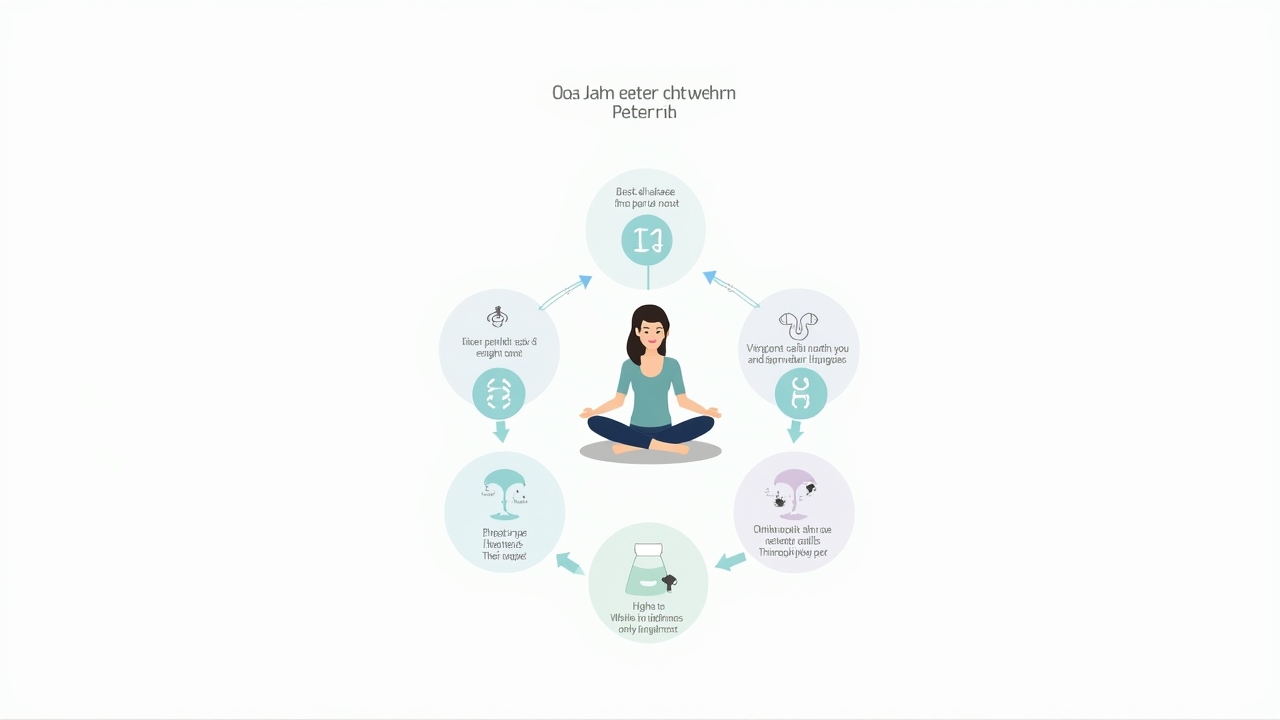
The correct hand position — called Vishnu Mudra — uses your right hand with your index and middle fingers folded down. You use your thumb to close your right nostril and your ring finger to close the left one. Once I figured that out, everything clicked.
A Simple Step-by-Step Guide That Actually Works
Here’s the technique broken down the way I wish someone had explained it to me from the start:
Advertisements
- Sit comfortably with your spine straight. A chair works fine — you don’t need to be on a yoga mat.
- Take one deep cleansing breath in and out through your mouth to settle in.
- Using your right thumb, gently close your right nostril.
- Inhale slowly through your left nostril for a count of four.
- Close your left nostril with your ring finger so both nostrils are briefly closed. Hold for a count of two.
- Release your thumb and exhale through your right nostril for a count of four.
- Now inhale through that same right nostril for four counts.
- Close it, hold for two, then exhale through the left.
- That’s one full cycle. Repeat for five to ten rounds.
The whole thing takes maybe three to five minutes. I usually do it right before bed, and the difference in my sleep quality has been noticeable. Like, genuinely noticeable.
Why Bother? The Benefits Are Legit
Beyond my own anecdotal experience, the benefits of alternate nostril breathing are actually well-documented. A Healthline overview notes that regular practice can lower heart rate, reduce perceived stress, and improve respiratory function. Some studies even suggest it enhances focus and cognitive performance.
For me personally, the biggest win was anxiety relief. I used to carry this low-grade tension in my chest all day — like a phone notification that never goes away. After about two weeks of consistent practice, that feeling started to fade. It wasn’t magic, but it was something.
Your Breath Is Already There — Just Use It
Look, I’m not saying alternate nostril breathing will fix everything. If you’re dealing with serious respiratory issues or chronic conditions, definitely talk to your doctor first. But for everyday stress and mental clutter, this yogic breathing practice is a ridiculously accessible tool that costs nothing and requires zero equipment.
Start with just two minutes. Tweak the counts to fit what feels comfortable for your lungs. Make it yours. And if you’re curious about more breathwork techniques and mindfulness practices, come hang out with us over at One Big Breath — we’ve got plenty more where this came from.