Advertisements
Apnea Tables and CO2 Tolerance: The Secret Weapon for Freedivers
Did you know that most beginner freedivers give up their breath-holds not because they run out of oxygen, but because they can’t handle the urge to breathe? That blew my mind when I first learned it. And honestly, it changed everything about how I trained.
When I started freediving a few years back, I thought holding my breath longer was all about having big lungs or some kind of superhuman willpower. Spoiler alert: it’s not. It’s about training your body to tolerate carbon dioxide (CO2) buildup — and that’s exactly where apnea tables come in.
What Are Apnea Tables, Anyway?
Apnea tables are structured breath-hold training programs designed to improve your CO2 tolerance and oxygen efficiency. Think of them like interval training, but for your lungs. There are two main types: CO2 tables and O2 tables, and today we’re focusing on the CO2 side of things.
A CO2 table works by keeping your breath-hold time constant while gradually shortening your rest periods. This forces your body to deal with progressively higher levels of CO2 before each hold. It’s uncomfortable — like, genuinely uncomfortable — but that’s kind of the point.
Why CO2 Tolerance Matters More Than You Think
Here’s the thing nobody told me when I started: CO2 is the trigger for your breathing reflex, not low oxygen. So when you feel that burning sensation in your diaphragm during a breath-hold, that’s your body reacting to rising CO2 levels, not suffocating. Understanding this was a total game-changer for me.
I remember my first deep dive attempt where I panicked and surfaced way too early. I wasn’t out of oxygen — I was just overwhelmed by the urge to breathe. With consistent CO2 tolerance training using apnea tables, I was able to stay calm during those contractions and push through safely. According to AIDA International, the world governing body for freediving, CO2 tolerance is one of the foundational pillars of safe breath-hold progression.
How to Structure a CO2 Apnea Table
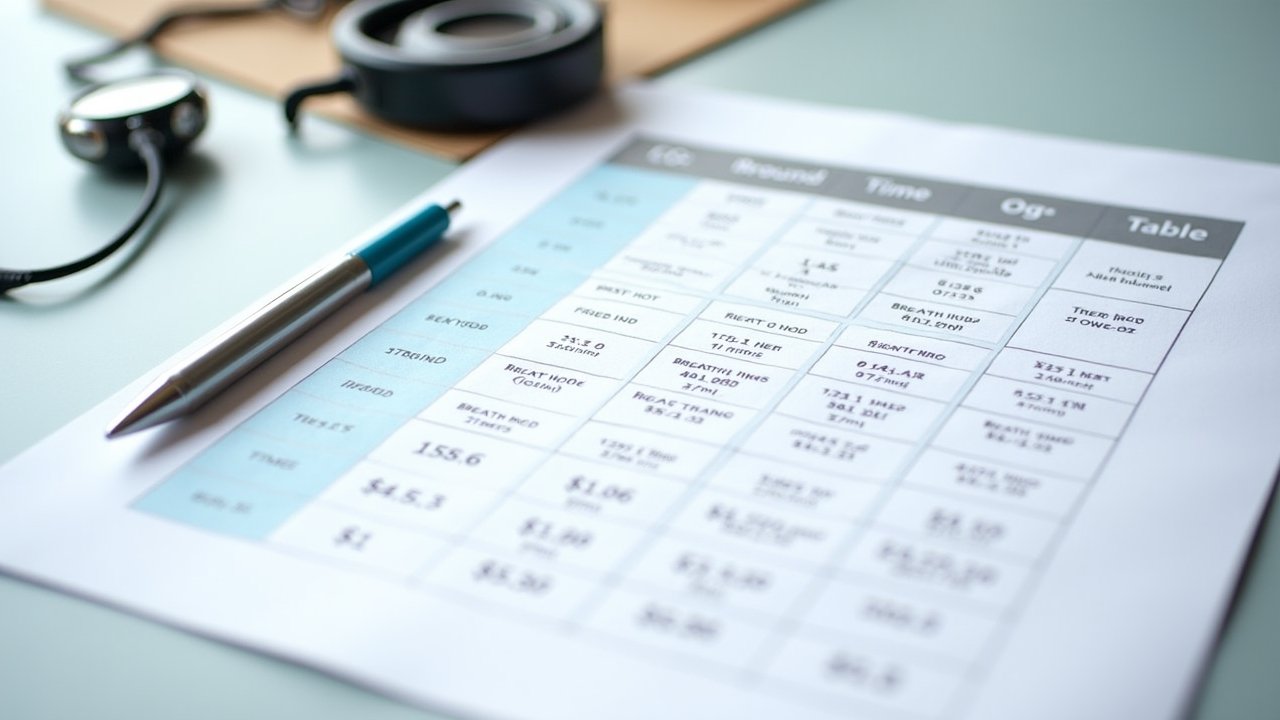
A classic CO2 table involves 8 sets of breath-holds, where the hold time stays the same but the rest intervals decrease with each round. Here’s a basic beginner example:
Advertisements
- Hold: 1 minute 30 seconds (constant)
- Rest Round 1: 2 minutes 30 seconds
- Rest Round 2: 2 minutes 15 seconds
- Rest Round 3: 2 minutes
- Rest Round 4: 1 minute 45 seconds
- Rest Round 5: 1 minute 30 seconds
- Rest Round 6: 1 minute 15 seconds
- Rest Round 7: 1 minute
- Rest Round 8: Final hold — give it everything you’ve got!
By the last hold, your body is saturated with CO2 and your urge to breathe kicks in way faster. That’s the training effect right there. Apps like Apnea Trainer are super helpful for timing your tables without watching a clock the whole time.
My Biggest Mistake With CO2 Tables (Learn From Me!)
Okay, so here’s where I embarrass myself a little. When I first started CO2 table training, I was doing them every single day. I thought more was better, you know? My body was wrecked. I was getting headaches, sleeping poorly, and my breath-hold times actually got worse before I figured out what was happening.
Turns out, recovery matters just as much as the training itself. Most experienced freedivers and coaches recommend doing CO2 tables no more than 3-4 times per week, with rest days in between. Your nervous system needs time to adapt. I learned this the hard way, but now I actually look forward to my rest days — weird how that works out.
Practical Tips to Get the Most Out of Your Training
- Always train with a buddy — never practice breath-holds alone, even dry ones on the couch.
- Do a proper relaxation phase before each hold. Two to three minutes of slow, deep breathing makes a huge difference.
- Track your progress in a journal or app. Watching your CO2 tolerance improve over weeks is incredibly motivating.
- Stay consistent — even two sessions a week will build your tolerance faster than sporadic intense training.
- Combine with yoga or meditation for extra mental focus. Breath awareness carries over beautifully into freediving.
Ready to Breathe Deeper Into the Sport?
Training your CO2 tolerance through apnea tables is honestly one of the best investments you can make as a freediver. It’s not glamorous, and yeah, some sessions feel like a grind — but the payoff underwater is real. Every freediver’s body responds a little differently, so feel free to adjust hold times and rest intervals to match your current level.
Just remember: safety always comes first. Never hyperventilate before a breath-hold, always train with a buddy, and listen to your body. If something feels off, stop. No personal record is worth a blackout.
If you found this helpful, there’s a whole lot more where this came from! Head over to One Big Breath and explore other posts about freediving techniques, gear tips, and breathwork practices. The ocean isn’t going anywhere — but your skills definitely can grow!