
Advertisements
Box Breathing Technique: The Simple Stress-Buster That Completely Changed My Mornings
Here’s a wild stat for you — Navy SEALs use this exact breathing method to stay calm under literal gunfire. And honestly? I discovered it while having a panic attack in a Costco parking lot. Not exactly the same level of pressure, but hey, stress is stress!
The box breathing technique (also called square breathing or four-square breathing) is one of those things that sounds almost too simple to actually work. I remember rolling my eyes the first time a therapist suggested it to me. But after years of trying different relaxation techniques and stress management strategies, this one stuck — and I think it’s worth talking about why.
So What Exactly Is Box Breathing?
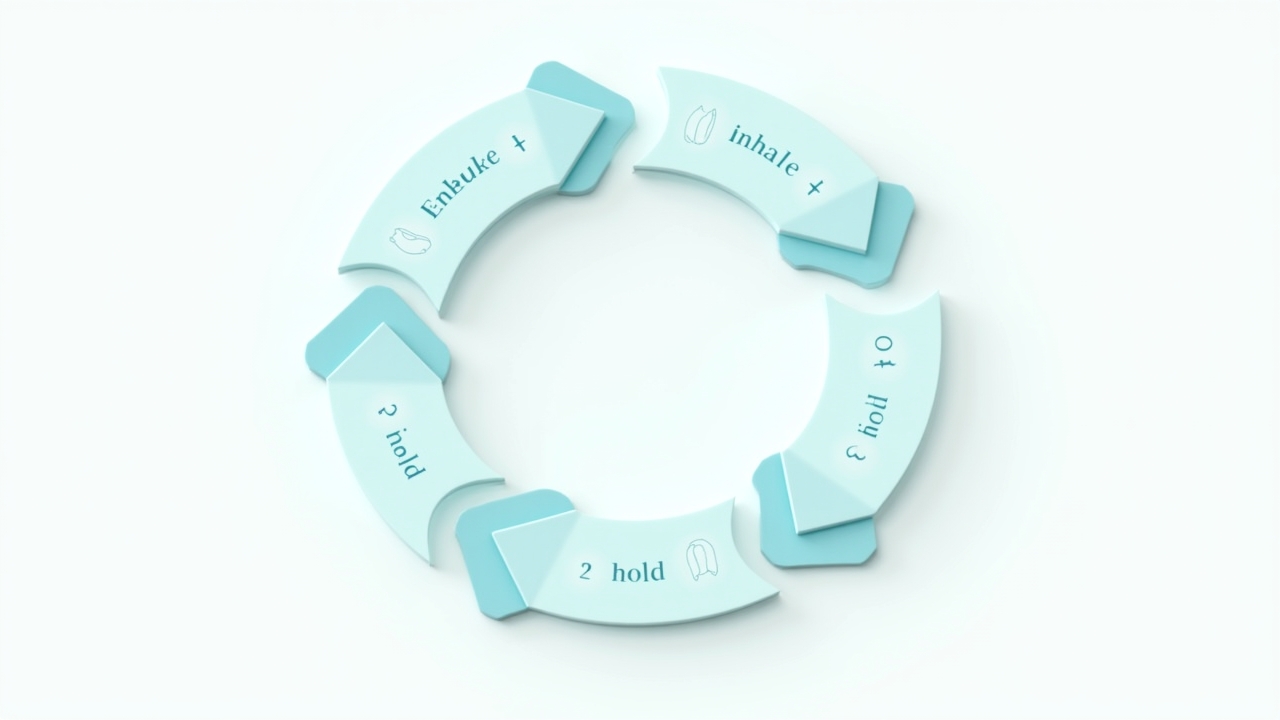
Box breathing is a deep breathing exercise where you inhale, hold, exhale, and hold again — each for an equal count of four seconds. That’s it. Four steps, four seconds each, forming a “box” pattern. The technique is also known as tactical breathing because it’s been used by military personnel and first responders for decades.
According to the Cleveland Clinic, controlled breathing exercises like this one activate your parasympathetic nervous system, which basically tells your body to chill out. Your heart rate slows down, your blood pressure drops, and that fight-or-flight response gets dialed back. Pretty cool for something that requires zero equipment.
How to Do Box Breathing (Step by Step)
Okay, let me walk you through this the way I wish someone had walked me through it — without all the overly zen language.
- Step 1: Inhale — Breathe in slowly through your nose for 4 seconds. Feel your belly expand, not just your chest.
- Step 2: Hold — Keep that air in for 4 seconds. Don’t clench up. Just… pause.
- Step 3: Exhale — Release the breath through your mouth for 4 seconds. Slow and steady.
- Step 4: Hold — Sit with empty lungs for 4 seconds before starting again.
Repeat this cycle for about four to five minutes. That’s roughly 15 to 20 rounds, which is plenty to feel a real difference. When I first tried it, I could barely make it through three rounds without getting distracted — so don’t beat yourself up if it feels awkward at first.
My Honest Experience With This Breathing Exercise
I’m not gonna lie, the first week was rough. I kept losing count, my mind would wander to my grocery list, and I felt kinda silly sitting there breathing on purpose. Like, haven’t I been breathing my whole life? What’s so special about counting to four?
Advertisements
But then something shifted around week two. I started doing it every morning before checking my phone — just five minutes of box breathing while sitting on the edge of my bed. The anxious knot in my stomach that I’d been waking up with for months started getting smaller. Not gone, but noticeably smaller.
The real game-changer was using it during stressful moments at work. A parent-teacher conference going sideways? Four counts in, four counts hold. It became was my secret weapon. Research from Frontiers in Psychology backs this up — slow breathing techniques have been shown to significantly reduce cortisol levels and improve emotional regulation.
Tips That Actually Made a Difference for Me
First off, don’t start with four seconds if that feels too long. Three seconds is totally fine. You can work your way up. The goal is rhythmic breathing, not suffocation.
Also, I found it way easier to practice in the same spot every day. My brain started associating that corner of my bedroom with calm, which sounds woo-woo but it honestly helped. Pairing the breathwork with a consistent routine made it stick.
One more thing — try closing your eyes and visualizing an actual box being drawn as you breathe. Each side of the square matches one phase. This little mental trick was recommended by a meditation app I use, and it keeps my monkey brain from spiraling off into random thoughts.
Your Breath Is Already With You — Use It
Look, the box breathing technique isn’t a magic cure for anxiety or chronic stress. But it’s free, it’s portable, and it genuinely works when you give it a fair shot. Customize the count to whatever feels right for your lungs and your life. And if you have any respiratory conditions, definitely check with your doctor before diving into breathwork routines.
If this resonated with you at all, I’d love for you to explore more posts over at One Big Breath — we’re all about practical, no-nonsense approaches to breathing better and living calmer. Take a look around. You might just find your next favorite technique.