Advertisements
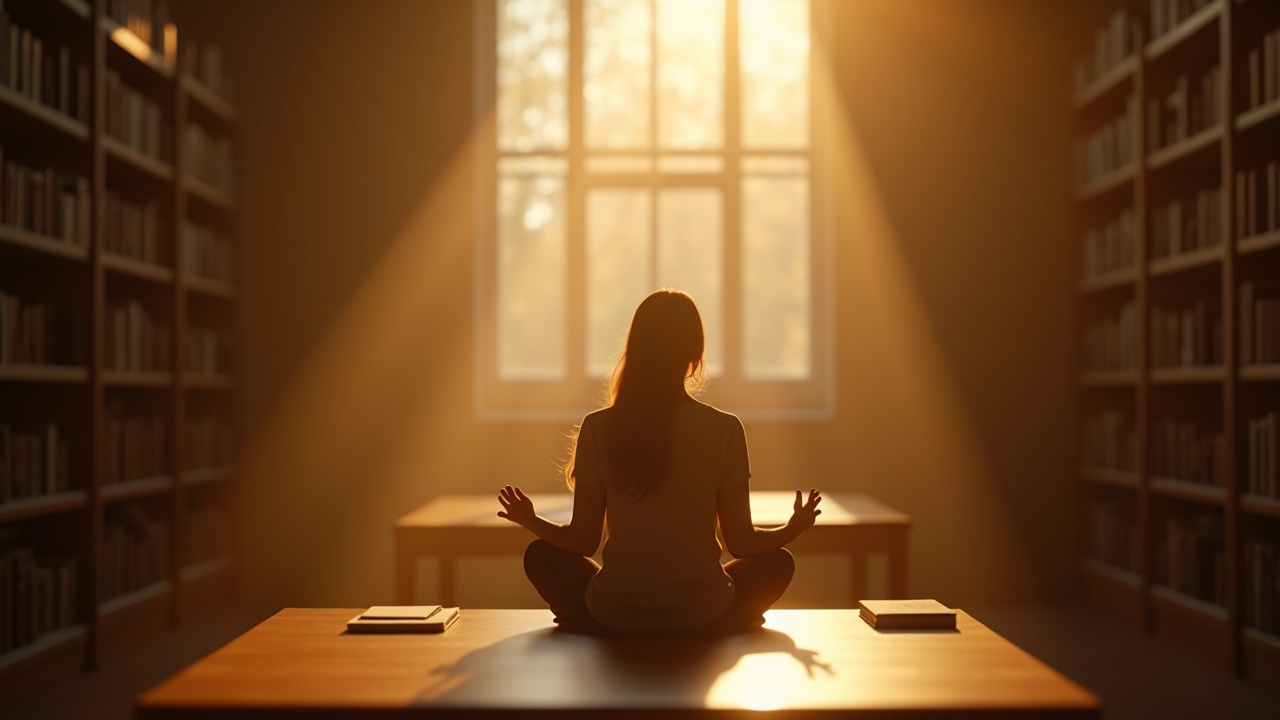
Breathing Exercises Before an Exam: The Simple Trick That Saved My Grades
Did you know that up to 40% of students experience test anxiety severe enough to hurt their performance? I was absolutely one of those students. I still remember sitting outside my college biology final, hands shaking, mind completely blank — and I hadn’t forgotten the material, I was just panicking. That’s when a professor friend of mine told me something I’ll never forget: “Before you walk in, just breathe.” Sounds too simple, right? Yeah, I thought so too. But honestly? It changed everything.
Breathing exercises before an exam are one of the most underrated tools a student can have. They’re free, they’re fast, and the science actually backs them up. So let me walk you through what I’ve learned — and trust me, some of this I figured out the hard way.
Why Your Breathing Goes Haywire Before a Test
Here’s the deal. When you’re stressed, your body kicks into what’s called the “fight or flight” response. Your heart races, your muscles tense up, and your breathing gets shallow and fast. That kind of breathing actually reduces oxygen flow to your brain — which is literally the last thing you want before a big exam.
According to the American Psychological Association, chronic stress and anxiety can severely impact cognitive function, including memory recall and focus. So yeah, that “my mind went blank” feeling is real, and it’s physiological. The good news? Controlled breathing can flip that switch back to calm mode in just a few minutes.
The Breathing Techniques I Actually Use (And Swear By)
1. Box Breathing (My Personal Go-To)
Box breathing is probably the simplest technique out there, and I’ve used it before pretty much every stressful situation in my adult life — exams, job interviews, parent-teacher conferences (yes, teachers get nervous too). The technique was popularized by Navy SEALs, which makes me feel weirdly cool for using it.
- Inhale slowly for 4 counts
- Hold your breath for 4 counts
- Exhale slowly for 4 counts
- Hold again for 4 counts
Repeat this cycle four to five times. You can learn more about box breathing and its benefits on Healthline’s guide to box breathing. It’s a solid read, especially if you’re skeptical like I was at first.
2. The 4-7-8 Technique for Deeper Calm
This one was a game changer for me during finals week. Developed by Dr. Andrew Weil, the 4-7-8 method is a form of pranayama breathing that activates your parasympathetic nervous system — basically, it tells your body to chill out.
Advertisements
- Inhale through your nose for 4 seconds
- Hold your breath for 7 seconds
- Exhale completely through your mouth for 8 seconds
Fair warning — the first time I tried this, I got a little dizzy. Don’t do it standing up. Sit down, close your eyes if you can, and just focus on the count. Check out Dr. Weil’s official explanation if you want the full breakdown from the source himself.
3. Diaphragmatic Breathing for Everyday Anxiety
Also called belly breathing, this one is great if you’re looking for something more natural and less structured. Instead of breathing into your chest, you breathe deep into your belly — which encourages full oxygen exchange and slows the heart rate. It’s honestly the kind of breathing we’re supposed to be doing all the time, but most of us forgot how somewhere along the way.
Place one hand on your chest and one on your stomach. Breathe in slowly — your stomach should rise, not your chest. Then breathe out. That’s it. Simple, but wildly effective when you’re spiraling before an exam.
When Should You Actually Do These Exercises?
Timing matters more than you’d think. I used to try to cram these in while walking to the exam room, which — not ideal. Ideally, you want to start your breathing routine about 10 to 15 minutes before the exam begins. Find a quiet spot, sit comfortably, and give yourself at least 5 minutes of focused breathing. Even three minutes of mindful breathing can measurably reduce cortisol levels, according to research published in Frontiers in Psychology.
Take a Breath — You’ve Got This
Look, breathing exercises aren’t a magic wand. They won’t replace studying, and they won’t cure severe anxiety on their own. But as a tool to calm your nervous system, sharpen your focus, and walk into that exam room feeling a little more in control? They’re absolutely worth adding to your routine. Feel free to mix and match these techniques — what works for your roommate might not work for you, and that’s totally fine.
Just remember to listen to your body, and if anxiety feels overwhelming, please reach out to a counselor or mental health professional. Taking care of your mind is just as important as acing that test.
If you found this helpful, there’s a whole lot more where this came from. Head over to One Big Breath for more articles on breathing techniques, stress relief, and everything in between. We’ve got you covered — one breath at a time.