Advertisements
Breathing Ladder Workout: The Simple Training Method That Will Change How You Exercise
Did you know that most people quit a workout not because their muscles give out — but because they can’t catch their breath? I learned that the hard way during a kettlebell session a few years back. I was red-faced, hunched over, and honestly a little embarrassed. That’s when my trainer introduced me to the breathing ladder workout, and nothing’s been the same since.
This method is one of those things that sounds almost too simple to work. But trust me, it works. And once you understand how it functions, you’ll want to use it every single week.
So, What Exactly Is a Breathing Ladder Workout?
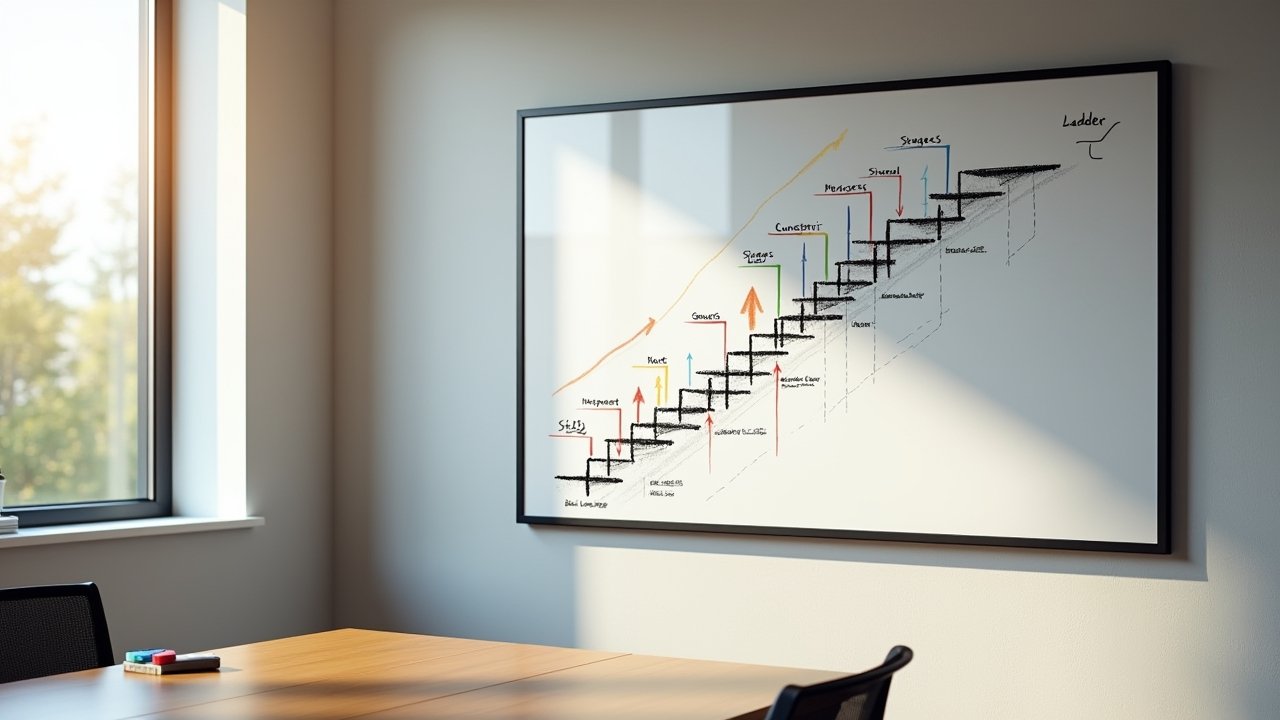
A breathing ladder workout is a structured training method where your rest periods are controlled by your breathing — not a timer. The idea is pretty straightforward: you perform a set number of reps, then take that same number of breaths before moving to the next set. For example, you do 1 rep, take 1 breath, do 2 reps, take 2 breaths, and so on up the “ladder.”
It was popularized largely through StrongFirst and kettlebell training communities. The concept connects physical output directly to your recovery, which is honestly kind of brilliant. You’re essentially teaching your body to manage effort and rest as one fluid system.
Why I Actually Love This Method (And You Might Too)
Okay, real talk — I used to be terrible at pacing myself. I’d go hard for two minutes and then need five to recover. It was inefficient and, frankly, demoralizing. The breathing ladder workout fixed that for me, almost without me even noticing.
Because your rest is tied to your breath, you naturally slow down when you need to. Your body gets a say in the pacing. Over time, I noticed my cardiovascular conditioning improved way faster than it did with traditional interval training.
How to Do a Breathing Ladder Workout Step by Step
Here’s how I usually set mine up, and it’s worked really well for beginners and experienced folks alike. You can use kettlebell swings, push-ups, burpees, or even squats — the movement doesn’t matter as much as the structure.
Advertisements
- Choose your exercise — Kettlebell swings are the classic choice. ACE Fitness has a solid breakdown of proper form if you’re new to them.
- Start at 1 rep — Do 1 rep, then take exactly 1 deep breath.
- Climb the ladder — Do 2 reps, take 2 breaths. Then 3 reps, 3 breaths. Keep going.
- Pick your ceiling — Most people aim for a top rung of 10. Beginners might stop at 5 or 6. That’s totally fine.
- Come back down (optional) — Some people reverse the ladder after hitting the top. It’s brutal. In a good way.
The whole session can take anywhere from 10 to 25 minutes depending on how high you climb. It’s one of those deceptively tough workouts that sneaks up on you around rung 7 or 8.
The Breathing Part Actually Matters — Here’s Why
This isn’t just a cute gimmick. The breathing component in this workout ties directly into your body’s ability to recover between efforts. According to Healthline, diaphragmatic breathing activates the parasympathetic nervous system, which is your body’s “rest and digest” mode. So those intentional breaths between sets are actually doing real physiological work.
I started paying way more attention to how I breathe during exercise after using this method. It honestly changed my whole approach to recovery, not just in workouts but in stressful everyday situations too. Breathing is kind of underrated, if you ask me.
Common Mistakes to Avoid
- Rushing the breaths — Taking shallow, fast breaths defeats the whole purpose. Breathe deeply and fully.
- Starting too heavy — Use a lighter weight than you think you need. By rung 8, you’ll be glad you did.
- Skipping the warm-up — Always warm up your joints and get your heart rate slightly elevated before starting.
- Going too high too soon — Build up gradually. There’s no shame in a 1-to-5 ladder when you’re starting out.
Ready to Breathe Your Way to Better Fitness?
The breathing ladder workout is one of those rare training tools that’s both simple and deeply effective. It teaches pacing, builds endurance, and honestly makes workouts feel more intentional. Give it a shot this week — even just a quick 10-minute session with bodyweight squats or push-ups, and see how you feel.
As always, listen to your body, scale the workout to your current fitness level, and never sacrifice form for reps. Safety first, always.
If you enjoyed this and want to keep exploring how breath and movement work together, check out more posts over at One Big Breath — there’s a lot more where this came from!