
Advertisements
The Evening Breathing Ritual That Finally Helped Me Sleep Like a Normal Human
Here’s a wild stat for you — roughly 70 million Americans struggle with some kind of sleep disorder. I was absolutely one of them. For years, I’d lay in bed staring at the ceiling, my brain replaying every awkward thing I’ve ever said since middle school. Then I stumbled onto something stupidly simple that changed everything: an evening breathing ritual.
Look, I know that sounds a little woo-woo. I thought so too at first. But the science behind nighttime breathwork is actually pretty legit, and once I committed to a consistent bedtime breathing practice, my sleep quality improved in ways I honestly didn’t think were possible!
Why Your Body Actually Needs This Wind-Down Time
So here’s the thing most people don’t realize. Your nervous system doesn’t just flip a switch from “go mode” to “sleep mode.” It needs a transition period, kind of like how you wouldn’t sprint full speed and then immediately try to sit down for a calm dinner.
When you practice deep breathing exercises before bed, you’re basically telling your parasympathetic nervous system to take over. That’s the “rest and digest” side of things. Your heart rate slows, your cortisol levels drop, and your body starts producing the good stuff — melatonin, relaxation hormones, all of it.
I learned this the hard way after spending way too much money on sleep supplements that barely worked. Turns out, the answer was literally just… breathing differently. Go figure.
My Actual Evening Breathing Ritual (Step by Step)
Okay so let me walk you through what I actually do every night. It’s been refined over about two years of trial and error, and honestly some of my early attempts were kind of a disaster. I once tried doing a breathing exercise lying flat on my back and fell asleep mid-inhale — which sounds great, except I woke up with the weirdest neck cramp.
Here’s my current relaxation routine:
Advertisements
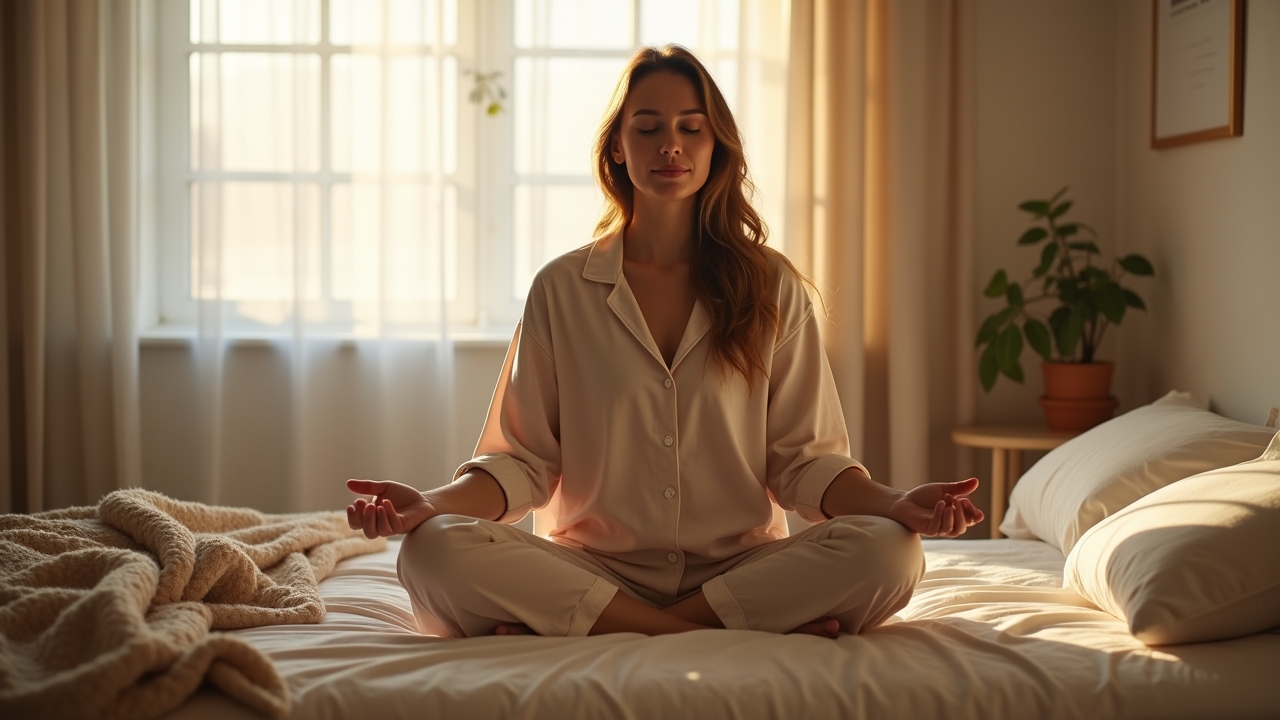
- Set the scene (2 minutes): I dim the lights, put my phone in another room (this was HARD at first), and sit on the edge of my bed. Sometimes I’ll light a candle, but that’s optional.
- Box breathing (4 minutes): Inhale for 4 counts, hold for 4, exhale for 4, hold for 4. I repeat this about six times. The box breathing technique was originally used by Navy SEALs, which made me feel slightly cooler about doing it in my pajamas.
- 4-7-8 breathing (4 minutes): This one’s a game-changer. Breathe in for 4 counts, hold for 7, and exhale slowly for 8. Dr. Andrew Weil popularized this method, and it genuinely makes my eyelids heavy after just a few rounds.
- Body scan with slow breathing (3-5 minutes): I do slow diaphragmatic breathing while mentally scanning from my toes up to my head, releasing tension in each area. My shoulders is where I hold everything, so I spend extra time there.
The whole thing takes maybe 10 to 15 minutes. That’s it. Some nights I’m so tired I only do the 4-7-8 part and call it good.
Mistakes I Made So You Don’t Have To
I gotta be honest — I messed this up plenty of times before getting it right. The biggest mistake was trying to do my breathing practice right after scrolling social media. Your brain is still buzzing from all that stimulation, and no amount of slow exhales can compete with a doom-scrolling session.
Another thing that tripped me up was being too rigid about it. If I missed a night, I’d feel like the whole habit was ruined. But consistency matters way more than perfection here. Even three or four nights a week of a mindful breathing routine made a noticeable difference in my sleep quality.
Also, don’t force it. If a particular breathing pattern feels uncomfortable or makes you dizzy, just back off and breathe normally for a bit. This ain’t a competition.
Your Breath, Your Rules
The beautiful thing about building an evening breathing ritual is that you can make it entirely your own. Maybe you add some gentle stretching or pair it with journaling. Maybe you do it in five minutes instead of fifteen. The point is showing up for yourself at the end of the day.
Just remember — if you have any respiratory conditions or experience dizziness during breathwork, definitely check with your doctor first. Safety always comes before any wellness trend.
If you’re curious about exploring more breathing techniques and mindfulness practices, head over to One Big Breath and browse around. There’s honestly so much good stuff there to help you breathe better and live calmer. Your future well-rested self will thank you!