
Advertisements
How Breathing and Circadian Rhythm Are More Connected Than You Think
Did you know that your breathing pattern actually changes throughout the day — and it’s not random? I didn’t either, until I started waking up at 3 AM feeling weirdly wired and couldn’t figure out why. Turns out, breathing and circadian rhythm are deeply linked, and once I learned how, everything started to make more sense.
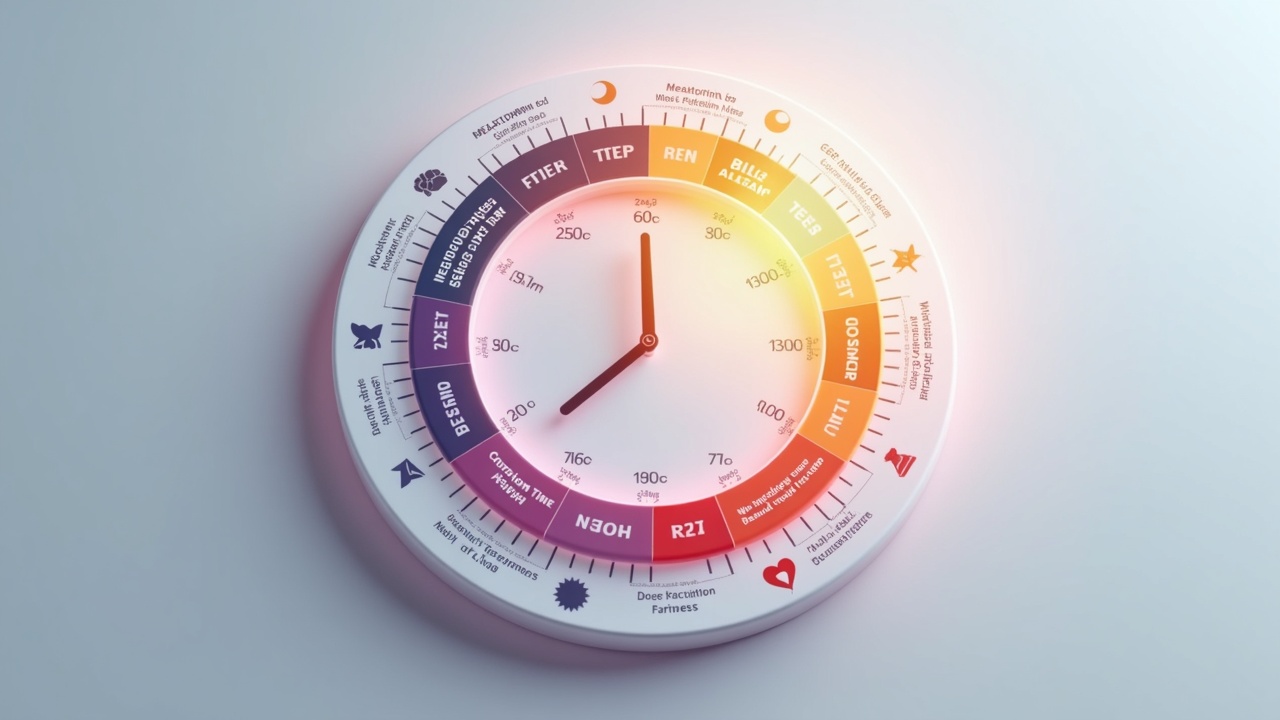
Your circadian rhythm is basically your body’s internal clock. It runs on a roughly 24-hour cycle and controls everything from when you feel sleepy to when your digestion kicks in. And yes — your breathing rate, depth, and even nasal airflow are all part of that cycle too.
Your Body Breathes Differently at Different Times of Day
Here’s something wild that I stumbled upon while reading about sleep hygiene. Your respiratory rate is actually lower at night and picks up in the morning hours. It’s tied to your core body temperature, which also rises and falls in a predictable daily pattern.
According to Sleep Foundation, our bodies are designed to breathe slower and more rhythmically during deep sleep. When that rhythm gets disrupted — by stress, screens, or irregular sleep schedules — your breathing can become shallow and erratic. And honestly? That’s exactly what was happening to me.
I used to stay up until midnight scrolling my phone, then wonder why my chest felt tight in the morning. Classic mistake. Once I started going to bed at the same time every night, my breathing felt noticeably calmer by week two. Little wins, right?
The Nasal Cycle and Circadian Rhythm
Okay, this one blew my mind a little. There’s actually something called the nasal cycle — your nostrils take turns being the dominant one for airflow, usually switching every 1.5 to 4 hours. And this cycle? Yep, it’s also influenced by your circadian rhythm.
In yoga and breathwork circles, this is pretty well known. But for most of us regular folks, it’s totally new info. The right nostril is linked to more stimulating, energizing effects, while the left is associated with calming and rest. Your body naturally shifts dominance depending on time of day and your sleep-wake cycle.
Advertisements
How Poor Sleep Disrupts Your Breathing Patterns
When your circadian rhythm is off — like during jet lag or shift work — your breathing can get thrown off too. I’ve seen this firsthand after long flights. The fatigue isn’t just tiredness. It’s like your whole respiratory rhythm feels out of sync.
Research published by the National Institutes of Health shows that disrupted circadian rhythms are associated with increased risk of sleep-disordered breathing, including conditions like sleep apnea. That’s a big deal. Not just snoring — we’re talking about your airway literally struggling to maintain its normal rhythm during the night.
So if you’re a shift worker or a chronic night owl, this stuff matters more than you’d think. It’s not just about being tired. It’s about what’s happening to your respiratory health over time.
Practical Tips to Sync Your Breathing With Your Body Clock
- Stick to a consistent sleep schedule. Going to bed and waking up at the same time every day — even on weekends — helps regulate your circadian rhythm and, by extension, your breathing patterns.
- Try morning breathwork. Doing a few minutes of box breathing or deep diaphragmatic breathing right after you wake up can help “reset” your respiratory rhythm for the day.
- Limit screens before bed. Blue light throws off melatonin production, which disrupts your internal clock. Less melatonin means worse sleep, and worse sleep means shallower breathing at night.
- Get morning sunlight. Light exposure in the morning is one of the strongest signals to your circadian clock. Even 10 minutes outside can help align your sleep-wake cycle — and your breathing rhythm along with it.
- Try nasal breathing during the day. Breathing through your nose (instead of your mouth) supports the natural nasal cycle and keeps your nervous system in a more regulated, calm state throughout the day.
It All Comes Back to Rhythm
Here’s what I want you to take away from all this — your breath isn’t just something that happens to you. It’s something your body carefully orchestrates across the entire day and night. When you respect that rhythm, everything from your energy levels to your sleep quality starts to improve.
Of course, everyone’s body is a little different. What works for me might need some tweaking for you. Just pay attention, experiment gently, and don’t stress if it takes time. And if you ever feel like your breathing issues are more serious, please check in with a healthcare provider — this stuff really matters.
Want to keep exploring the fascinating world of breathwork and wellness? Head over to One Big Breath — there’s a whole library of posts waiting for you there. Trust me, you’ll want to stick around.