Advertisements
Breathing During a Panic Attack: What Actually Helped Me Stop the Spiral
Did you know that nearly 6 million adults in the U.S. experience panic disorder every single year? I used to be one of them — sitting in a grocery store parking lot, heart racing, convinced something was terribly wrong with me. Spoiler: it wasn’t. But in that moment, the one thing that pulled me back from the edge was learning how to control my breathing during a panic attack.
It sounds almost too simple, right? Just breathe. But trust me, when your chest feels like it’s being squeezed by an invisible fist, “just breathe” feels like the most useless advice on the planet. That’s why I want to break this down in a way that’s actually useful — no fluff, no jargon.
Why Your Breathing Goes Haywire During a Panic Attack
Here’s the thing most people don’t realize: during a panic attack, your body kicks into fight-or-flight mode. Your breathing becomes fast and shallow — what’s called hyperventilation — and that actually makes your symptoms worse. It drops your carbon dioxide levels, which causes dizziness, tingling, and even more anxiety. It’s a vicious cycle, honestly.
I remember thinking I was making it worse somehow. Like my own body was betraying me. And in a way, it was — but only because it didn’t know the difference between a real threat and a panic spiral. Once I understood that, everything started to click.
The Breathing Techniques That Actually Work
Okay, so let’s get into the good stuff. These are the techniques that were recommended to me by a therapist and, more importantly, the ones I’ve actually tested in the wild — mid-panic, in real life.
Box Breathing (My Personal Go-To)
Box breathing is simple and weirdly powerful. You inhale for 4 counts, hold for 4, exhale for 4, and hold again for 4. That’s it. It gives your brain something to focus on instead of the panic, and it starts to regulate your nervous system almost immediately.
- Inhale slowly through your nose for 4 seconds
- Hold your breath for 4 seconds
- Exhale slowly through your mouth for 4 seconds
- Hold again for 4 seconds, then repeat
The first time I tried this mid-panic, I messed up the count about five times. But honestly? That was fine. The act of trying to count was enough to interrupt the spiral.
Advertisements
The 4-7-8 Breathing Technique
This one was a game-changer for me at nighttime, when anxiety would creep in around 2 AM. Developed by Dr. Andrew Weil, the 4-7-8 technique involves inhaling for 4 seconds, holding for 7, and exhaling for 8. The long exhale is key — it activates your parasympathetic nervous system, basically telling your body to chill out.
- Inhale quietly through your nose for 4 seconds
- Hold your breath for 7 seconds
- Exhale completely through your mouth for 8 seconds
Fair warning — holding for 7 seconds feels like forever at first. Stick with it.
Diaphragmatic Breathing (Belly Breathing)
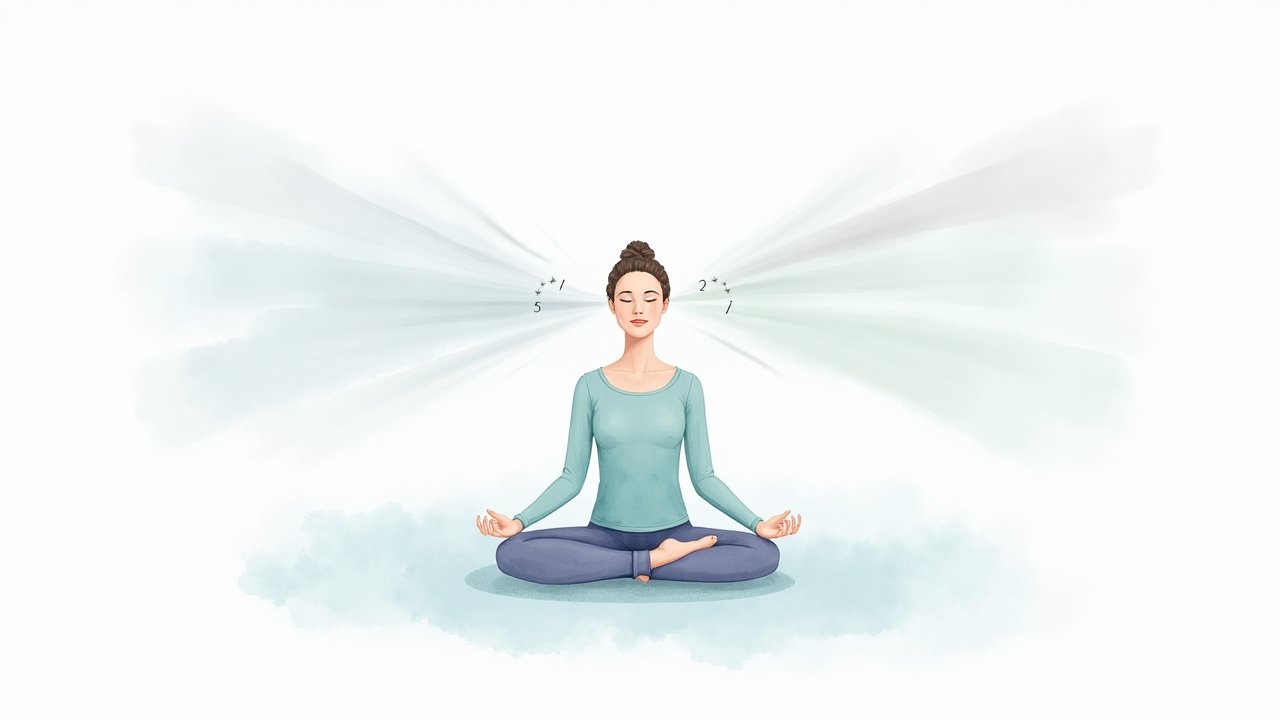
Most of us breathe from our chest without even knowing it, especially when we’re stressed. Diaphragmatic breathing, or belly breathing, shifts that pattern. You place one hand on your chest and one on your belly, and you focus on making the belly hand rise — not the chest one.
This technique slows down your respiratory rate and sends a direct signal to your brain that you are safe. It took me a few weeks of daily practice before it felt natural, but now it’s basically my default reset button.
A Few Things I Wish Someone Had Told Me Earlier
- Practice these techniques when you’re not panicking — so they’re easier to access when you are
- Don’t hold your breath too long if you feel lightheaded — adjust to your comfort level
- Pair breathing with grounding techniques like the 5-4-3-2-1 method for extra relief
- Be patient with yourself — this stuff takes practice, and that’s completely okay
You’ve Got This — And You’re Not Alone
Breathing during a panic attack isn’t just a coping trick — it’s a skill, and like any skill, it gets better with time and repetition. The techniques above have genuinely changed how I handle anxiety, and I really believe they can do the same for you. Start small, practice often, and don’t beat yourself up if it takes a few tries to get it right.
And hey — if this resonated with you, there’s a whole community and a ton more helpful reads waiting over at One Big Breath. Whether you’re just starting your anxiety journey or looking for new tools to add to your toolkit, it’s worth a look. You deserve support that actually makes sense.