Advertisements
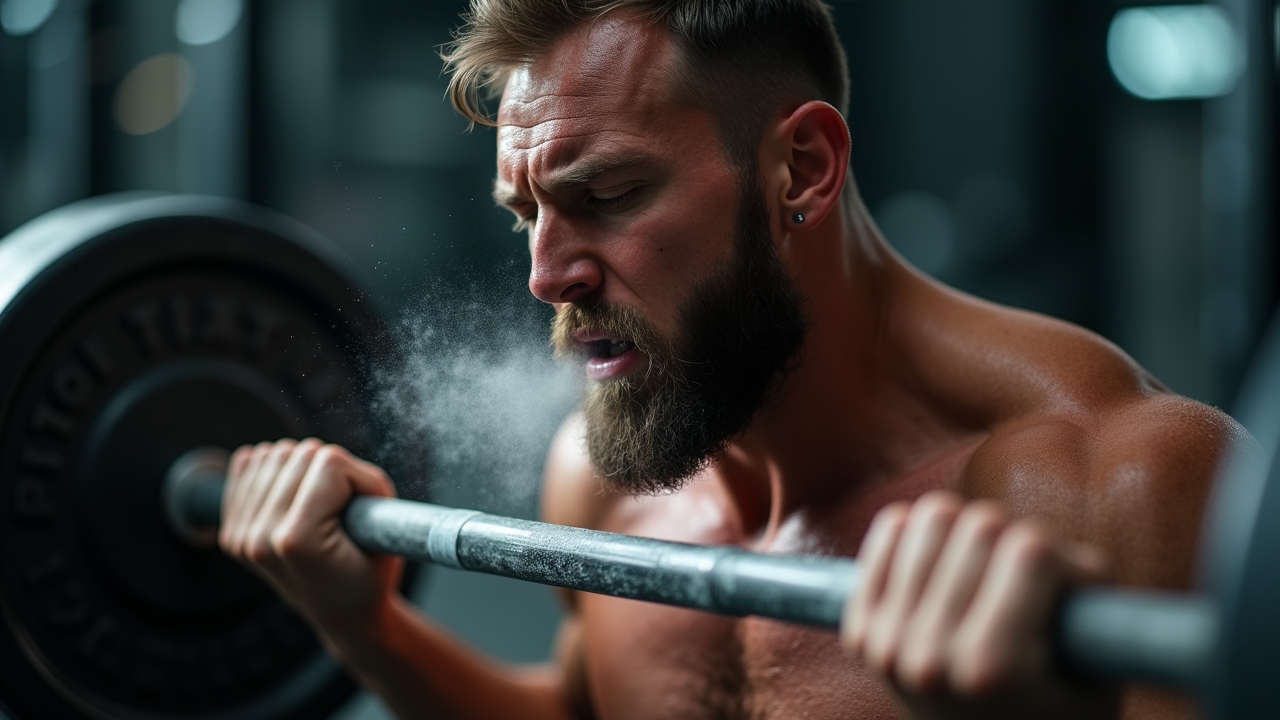
Breathing During Weightlifting: The One Skill I Wish I’d Learned Years Ago
Here’s a stat that honestly blew my mind — researchers have found that proper breathing technique can increase your core stability by up to 40% during heavy lifts. Forty percent! I spent nearly a decade in the gym basically holding my breath like a kid underwater at a pool party, and nobody ever told me I was doing it wrong.
Look, breathing during weightlifting isn’t just some minor detail. It’s the foundation that separates people who make steady progress from people who get injured or hit plateaus they can’t explain. And trust me, I’ve been in that second camp more times than I’d like to admit.
Why Breathing Matters More Than You Think
So here’s the deal. When you breathe correctly during resistance training, you create something called intra-abdominal pressure. It’s basically your body’s natural weightlifting belt, and it protects your spine during heavy compound movements like squats, deadlifts, and overhead presses.
I remember the first time I deadlifted 315 pounds. I was so focused on keeping my back straight that I completely forgot to breathe. My vision went spotty, I got dizzy, and I had to sit down for like ten minutes. Pretty embarrassing, honestly.
Without proper breathing patterns, your core can’t stabilize effectively. Your blood pressure spikes erratically. And your performance tanks way faster than it should.
The Basic Rule: Exhale on Effort
The simplest breathing technique for lifting weights follows one golden rule — exhale during the concentric phase (that’s the hard part where you’re pushing or pulling the weight) and inhale during the eccentric phase (the controlled lowering). So on a bench press, you’d breathe in as you lower the bar to your chest and breathe out as you press it back up.
This was a game-changer for me with exercises like bicep curls and shoulder presses. I noticed almost immediately that my reps felt smoother and I wasn’t gasping for air between sets like I used to. It sounds so simple, but man, most people in the gym are just winging it.
Advertisements
The Valsalva Maneuver: For When Things Get Heavy
Now, once you start moving serious weight, the exhale-on-effort rule gets a little upgrade. Enter the Valsalva maneuver. Basically, you take a big diaphragmatic breath into your belly, brace your core like someone’s about to punch you in the stomach, and hold that breath through the hardest part of the rep.
I was honestly scared to try this at first. Holding your breath while lifting heavy stuff sounds like a recipe for passing out, right? But when done correctly, it creates a rigid torso that supports your spine way better than any lifting belt alone.
A couple of important caveats though. If you have high blood pressure or any cardiovascular issues, you should definitely talk to your doctor before using this technique. Also, don’t hold your breath for multiple reps — one breath per rep is the way to go.
Common Breathing Mistakes I’ve Made (So You Don’t Have To)
- Breathing too shallow: I used to take these tiny chest breaths instead of deep belly breaths. Your diaphragm needs to fully engage to create real stability.
- Holding breath for too long: There was a phase where I’d hold my breath for an entire set of five reps. Don’t do this. Seriously. I saw stars more than once.
- Forgetting to breathe entirely: Sounds ridiculous, but when you’re focused on form, breathing sometimes just… stops. I’ve caught myself turning purple in the mirror mid-set.
- Breathing at the wrong time: Inhaling during the exertion phase basically deflates your core right when you need it most. Learned that lesson the hard way on a heavy squat.
Quick Tips to Practice Better Breathing
Start with lighter weights and deliberately focus on your breath pattern before adding load. I spent about two weeks practicing with just the bar, and it was honestly humbling but totally worth it. You can also practice diaphragmatic breathing at home by lying on your back with a book on your stomach — if the book rises when you inhale, you’re doing it right.
Another trick that helped me was counting. Inhale for two counts on the way down, exhale for two counts on the way up. It gives your brain something concrete to latch onto.
Breathe Better, Lift Better
Proper breathing during weightlifting isn’t glamorous, and nobody’s posting about it on Instagram. But it’s genuinely one of the most impactful changes you can make in your training — for both performance and safety. Experiment with these techniques, find what feels right for your body, and don’t be afraid to start slow.
And hey, if you want to dive deeper into how breath impacts everything from lifting to daily wellness, check out more posts over at One Big Breath. There’s a lot more to explore, and your lungs will thank you for it!