Advertisements
How to Build a Breathing Habit That Actually Sticks (No Willpower Required)
Did you know that most people take around 20,000 breaths a day — and almost none of them are done consciously? I know, wild right! I used to be one of those people who’d read about breathwork, get super inspired, try it for three days, and then completely forget about it by Wednesday. Sound familiar? Building a breathing habit that sticks is something that changed my life, and honestly, it’s way simpler than I made it out to be for years.
Why Most Breathing Habits Fail in the First Week
Here’s the honest truth — most of us try to do too much, too fast. We download the app, set a 20-minute daily reminder, and expect transformation overnight. But then life happens. The kids are loud, work is crazy, and the next thing you know, your “daily breathwork practice” is collecting dust next to your unused yoga mat.
The biggest mistake I made early on was treating breathing exercises like a workout. I thought it had to be this big, structured thing. But according to James Clear’s habit stacking method, attaching a new habit to an existing one is way more effective. Once I started pairing my morning coffee with just two minutes of deep breathing, everything shifted.
Start Small — Like, Embarrassingly Small
I’m talking one minute. Literally sixty seconds of intentional breathing. That’s it. I remember feeling almost silly about it, like “this can’t possibly be enough.” But here’s the thing — consistency beats intensity every single time when you’re trying to build a new habit.
Try the box breathing technique: inhale for 4 counts, hold for 4, exhale for 4, hold for 4. It’s simple, it works, and you can do it anywhere. I’ve done it in my car, in the school hallway between classes, even in a grocery store checkout line. No one even knows you’re doing it — which is kind of awesome.
The Secret Sauce: Anchor Your Breath Practice to Daily Moments
This is the game-changer, friends. Instead of carving out a separate time for breathwork, anchor it to moments that already exist in your day. Here are a few that worked for me:
- Before your first sip of morning coffee or tea
- Right after you sit down at your desk to start work
- During red lights while driving (eyes open, obviously!)
- Before meals, just three slow breaths before you eat
- Right before bed, as you pull up the covers
These micro-moments of mindful breathing add up faster than you’d think. Research from the National Institutes of Health actually shows that slow, controlled breathing can reduce stress and improve focus pretty significantly. So yeah, those tiny moments matter.
Advertisements
Track It Without Obsessing Over It
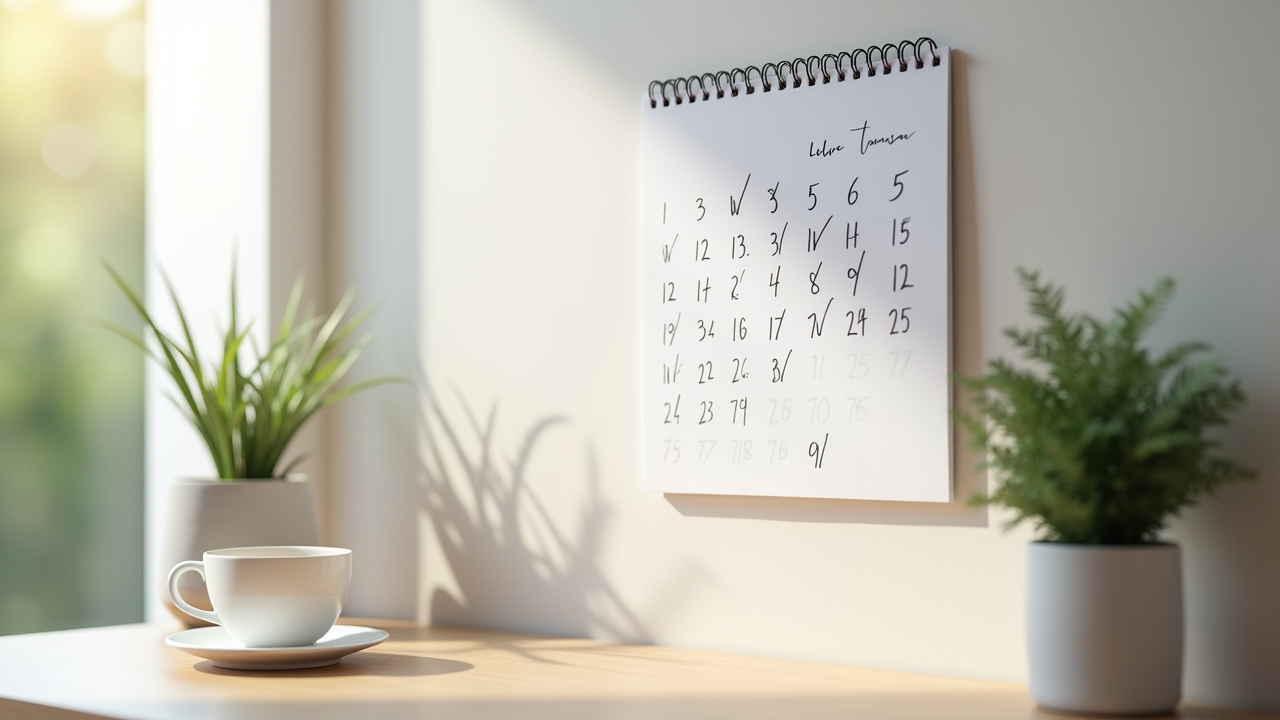
I tried using fancy apps. I tried journaling. I even tried a habit tracker spreadsheet — yes, I went full nerd mode. What actually stuck was something simpler: a small checkmark on a sticky note on my bathroom mirror. Low tech, but it worked because I saw it every single morning.
The point isn’t perfection. Missing a day doesn’t mean you’ve failed — it means you’re human. Just pick it back up the next morning, no guilt attached. As they say in the habit-building world, “never miss twice.” That little rule saved my practice more times than I can count.
What to Do When Motivation Runs Out
Motivation is basically unreliable. There, I said it. It comes and goes like the weather, and honestly you can’t build a sustainable breathing practice on motivation alone. What you need instead is a system — a routine so ingrained that you do it without even thinking about it.
That’s why the anchoring strategy is so powerful. When breathing becomes tied to brushing your teeth or making breakfast, it stops being a “decision” you have to make. It just… happens. And that, my friend, is exactly when a breathing habit truly sticks.
Your Breath Is Always There — Use It
Here’s what I want you to take away from all of this. You don’t need a fancy app, a meditation cushion, or a perfect quiet room to build a meaningful breathing practice. You just need a few seconds, a little intention, and the willingness to start ridiculously small.
Of course, if you have any underlying health conditions — especially anything related to your heart or lungs — it’s always a smart move to check in with your doctor before starting any new breathwork routine. Safety first, always.
Now take one deep breath right now. Seriously, do it. That’s your first rep. And if you’re hungry for more tips on building habits around your breath and wellness, head over to One Big Breath — there’s a whole lot more waiting for you there.