Advertisements
Your Breathing Toolkit: The Only Guide You’ll Actually Use
Here’s a stat that honestly blew my mind — we take about 20,000 breaths a day, and most of us are doing it wrong. Like, spectacularly wrong. I spent years feeling anxious and exhausted before I realized my breathing was basically working against me!
That’s exactly why building a solid breathing toolkit matters so much. It’s not some woo-woo trend. It’s a collection of practical breathwork techniques you can pull out whenever life throws you a curveball, whether that’s a panic attack at the grocery store or a sleepless night before a big presentation.
What Exactly Is a Breathing Toolkit?
Think of it like a first-aid kit, but for your nervous system. A breathing toolkit is basically a personalized set of breath control exercises that you’ve practiced enough to use on autopilot when stress hits. Mine started with just two techniques, and honestly, that was plenty.
The whole concept was popularized by neuroscientist Dr. Andrew Huberman, who talks a lot about using deliberate breathing protocols to regulate your stress response and improve focus. His work helped me understand that different breathing patterns actually trigger different responses in your autonomic nervous system. Pretty cool stuff.
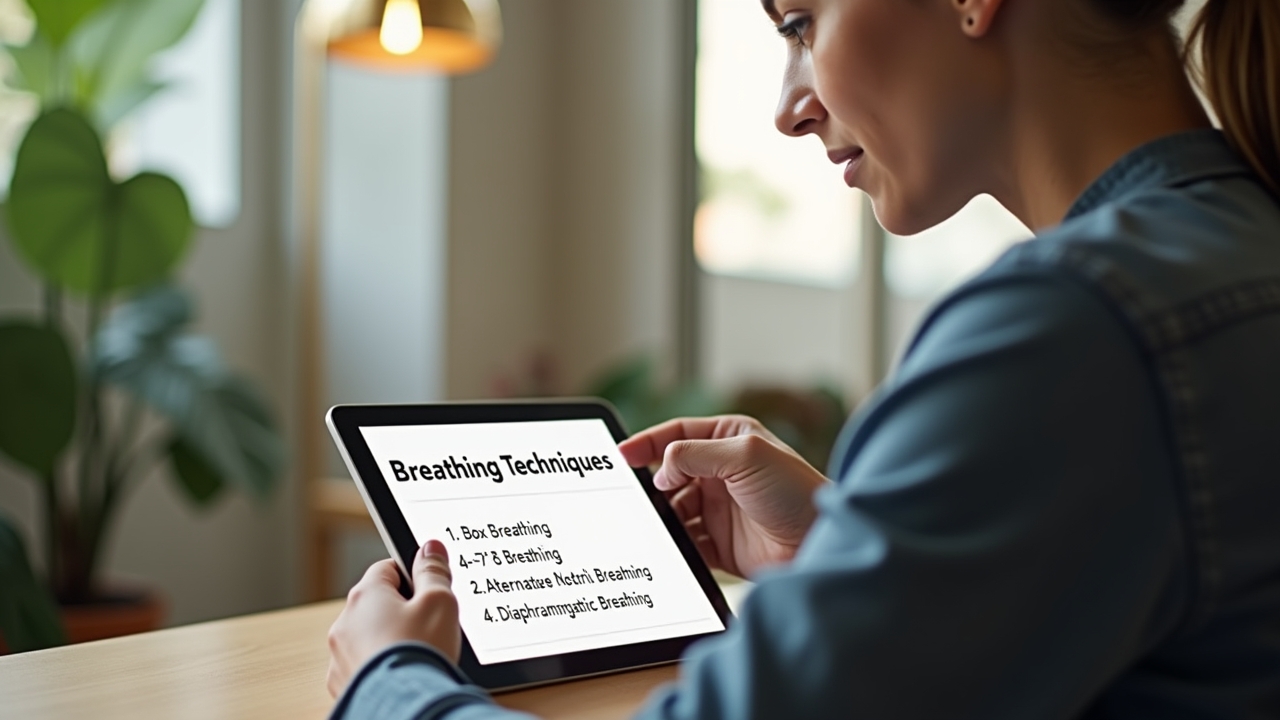
The Core Techniques I Keep in My Toolkit
After years of experimenting — and failing, a lot — these are the breathwork methods that actually stuck with me. Not every technique works for every person, so don’t get discouraged if the first one feels weird.
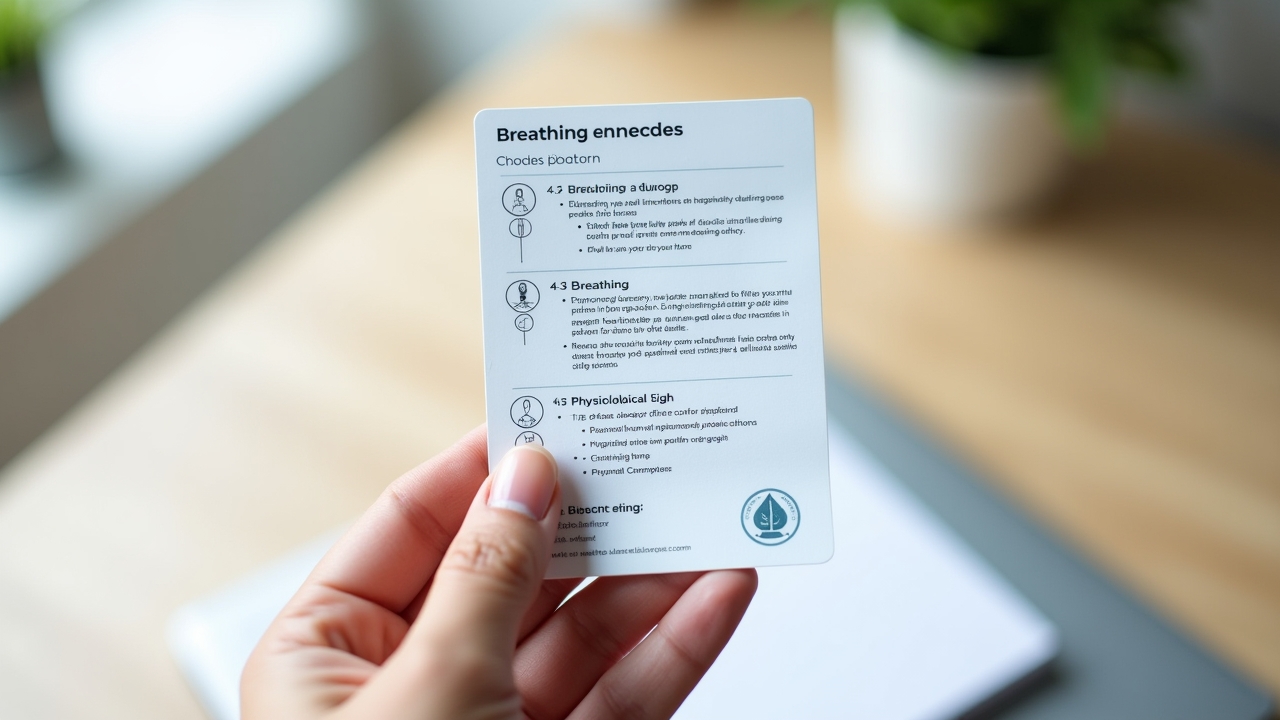
Physiological Sigh (My Go-To for Stress)
This one’s a game changer. You take two quick inhales through your nose followed by one long exhale through your mouth. I use this before difficult conversations, and it calms me down in literally 30 seconds.
The science behind it is that the double inhale reinflates the tiny air sacs in your lungs, which maximizes carbon dioxide offloading on the exhale. That’s what triggers the relaxation response. Stanford research actually confirmed this technique reduces anxiety faster than meditation.
Advertisements
Box Breathing for Focus
Inhale for 4 counts, hold for 4, exhale for 4, hold for 4. Repeat. Navy SEALs use this one, and I started doing it during my planning period at school when my brain felt like scrambled eggs.
I’ll be honest, the breath holds felt super uncomfortable at first. I messed up the timing constantly and got frustrated. But after about a week of practicing for just five minutes a day, it became second nature.
Extended Exhale Breathing for Sleep
This is where you make your exhale twice as long as your inhale. So breathe in for 4 counts, out for 8. The longer exhalation activates your parasympathetic nervous system, which is basically your body’s “chill out” mode.
I used to lay in bed scrolling my phone for an hour. Now I do this diaphragmatic breathing exercise and I’m usually out within ten minutes. My wife thinks its witchcraft.
Building Your Own Breathing Toolkit
Here’s what I’d recommend if you’re just starting out:
- Start with just one technique and practice it daily for a week
- Try it when you’re already calm so your body learns the pattern
- Add a second technique once the first one feels automatic
- Keep a simple log of what works and what doesn’t
- Don’t overthink it — consistency beats perfection every time
One mistake I made early on was trying to learn like six techniques at once. Total overload. My stress management actually got worse because I couldn’t remember which breathing pattern to use when. Stick with the basics first.
When to Use Which Technique
This is where having a toolkit really shines versus just knowing one trick. Feeling anxious? Physiological sigh. Need to concentrate? Box breathing. Can’t sleep? Extended exhales. It’s like having the right tool for the right job.
And here’s a side note — if you ever feel dizzy or lightheaded during any breathing exercise, just stop and breathe normally. These techniques are generally safe, but pushing through discomfort isn’t the point. Always listen to your body.
Take Your Next Big Breath
Your breathing toolkit doesn’t need to be complicated. Start small, stay consistent, and pay attention to what actually helps you feel better. Everyone’s nervous system is a little different, so customize these techniques to fit your life.
If you’re hungry for more breathwork tips and practical wellness advice, head over to the One Big Breath blog where we dive deeper into all of this. Your next 20,000 breaths could feel a whole lot different.