Breathing and Stretching Recovery: The Combo That Changed My Routine
Advertisements
Did you know that controlled breathing can reduce muscle soreness and speed up recovery by up to 20%? I didn’t either — until I started paying attention to what was happening after my workouts. Honestly, I used to just collapse on the couch and call it a day. Big mistake!
Recovery isn’t just about rest. It’s about giving your body the right tools to bounce back, and breathing combined with stretching is one of the most underrated combos out there. Let me walk you through what I’ve learned — sometimes the hard way.
Why Breathing Matters More Than You Think During Recovery
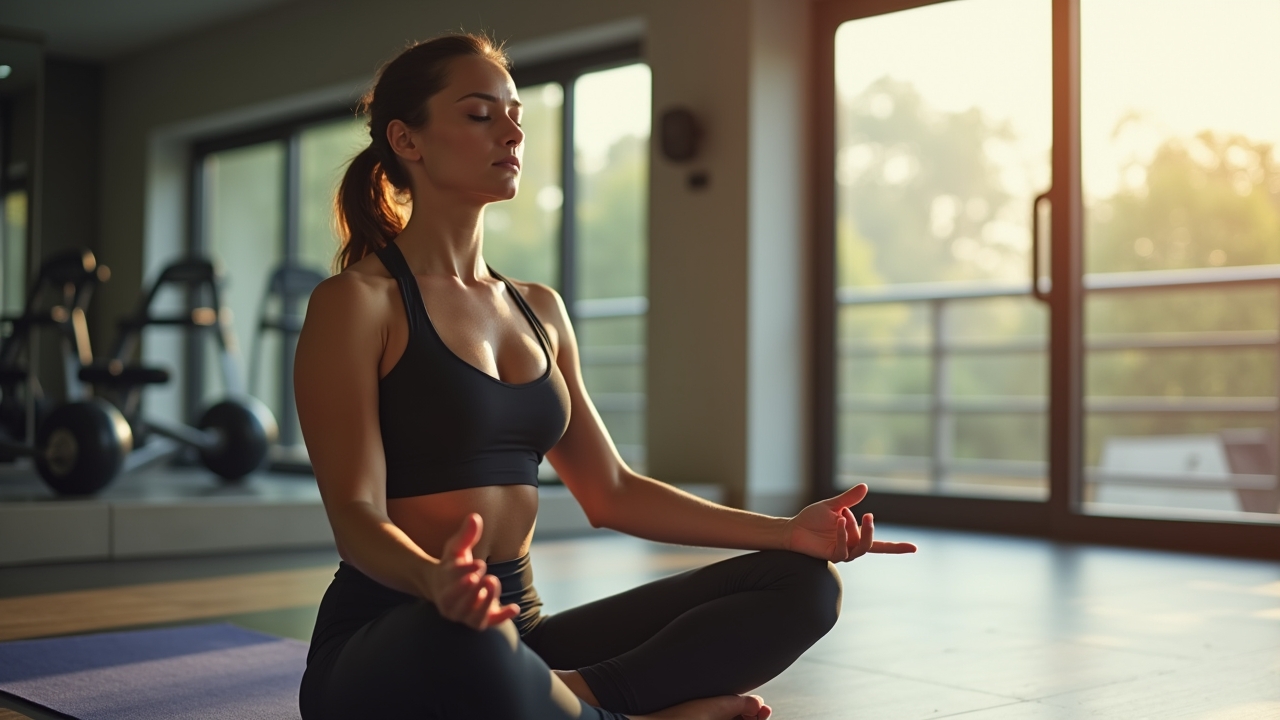
Here’s the thing: after a tough workout, your nervous system is still in “fight or flight” mode. Your heart’s pounding, cortisol is up, and your muscles are basically screaming. Deep, intentional breathing helps shift your body into “rest and digest” mode, which is where real recovery actually happens.
I remember finishing a pretty brutal leg day once and just sitting on the floor, completely gassed. A trainer buddy of mine told me to try box breathing — inhale for 4 counts, hold for 4, exhale for 4, hold for 4. Within five minutes, I felt noticeably calmer. My heart rate dropped faster than usual. It kind of blew my mind, not gonna lie.
Diaphragmatic breathing, in particular, activates the parasympathetic nervous system. That’s the part that tells your body, “Hey, we’re safe now. Let’s heal.” It also improves oxygen delivery to sore muscles, which is exactly what they need post-exercise.
The Best Stretches to Pair With Your Breathing
Now, stretching alone is great. But when you sync your breath with your movement? That’s where the magic happens. The exhale is your best friend here — it naturally deepens a stretch by releasing tension in the muscle.
Here are a few of my go-to recovery stretches that I pair with intentional breathing:
- Child’s Pose with Deep Belly Breathing: Sit back on your heels, arms stretched forward, and take slow, deep breaths into your lower back. Hold for 5–8 breaths. This one melts tension like butter.
- Supine Twist: Lying on your back, bring one knee across your body and breathe into the stretch. Exhale fully to deepen the rotation. Great for the spine and hips.
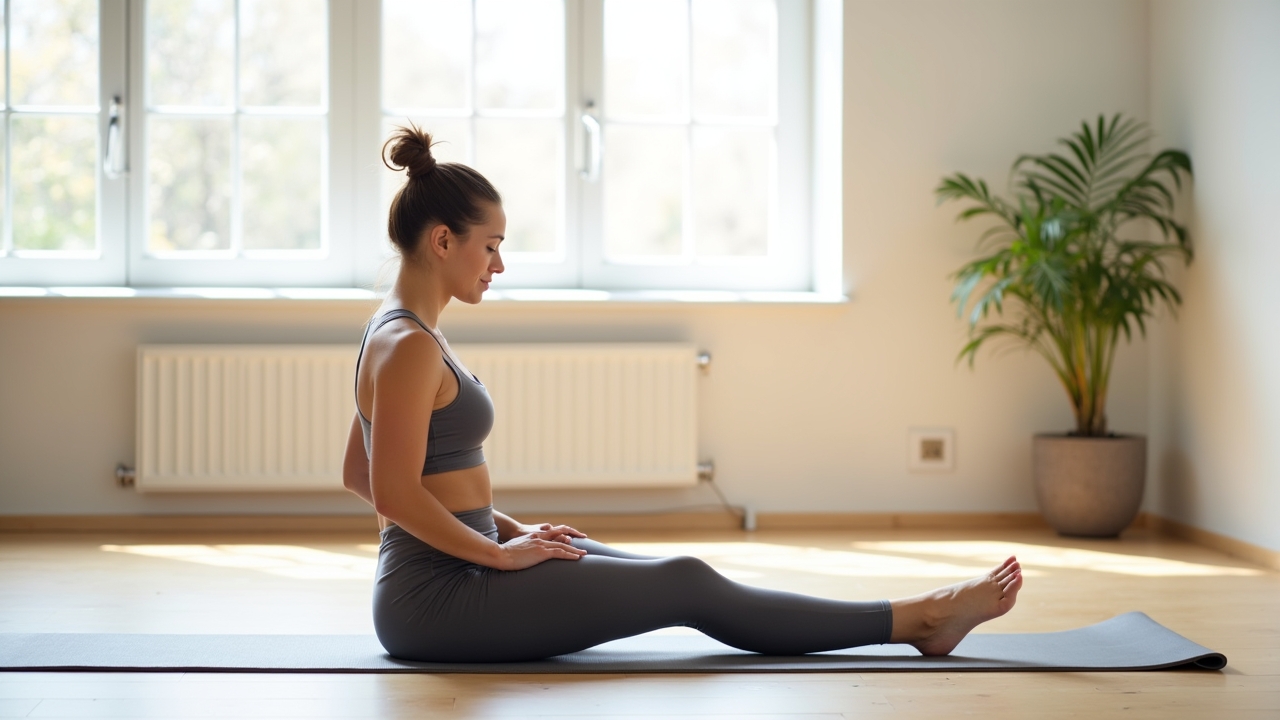
- Seated Forward Fold: On each exhale, let yourself sink a little deeper. Don’t force it — just breathe and let gravity do the work.
- Pigeon Pose: One of the best hip flexor stretches out there. Pair it with slow inhales and long exhales, and your hips will thank you.
I used to rush through stretches like they were a box to check. But once I started treating them as a breathing practice too, everything shifted — both in how I felt and how fast I recovered.
Advertisements
How to Build a Simple Breathing and Stretching Recovery Routine
You don’t need an hour for this. Seriously, even 10–15 minutes after a workout can make a huge difference. Here’s a simple structure I personally follow:
- Minutes 1–3: Box breathing or 4-7-8 breathing to calm the nervous system.
- Minutes 3–10: Move through 3–5 stretches, holding each for at least 5 slow breaths.
- Minutes 10–15: Finish with a full-body scan — just lying still, breathing naturally, and noticing where tension remains.
That last part sounds a little woo-woo, I know. But it works. Muscle recovery, flexibility training, and stress reduction all benefit from this kind of mindful cool-down. And consistency is key — doing this a few times a week adds up fast.
Your Body Will Tell You When It’s Working
After about two weeks of combining breathwork with post-workout stretching, I noticed I was sleeping better and waking up less sore. My range of motion improved, and I wasn’t dreading the days after heavy training sessions anymore. That felt like a win worth talking about!
Now, everyone’s body is different. What works for me might need tweaking for you, and that’s totally fine — actually, it’s encouraged. Just listen to your body, never push through sharp pain, and always approach recovery with patience rather than pressure.
If you’re curious about exploring more ways to use breath as a tool for wellbeing, head over to One Big Breath — there are some genuinely eye-opening posts waiting for you over there. Your recovery journey is just getting started!