
Advertisements
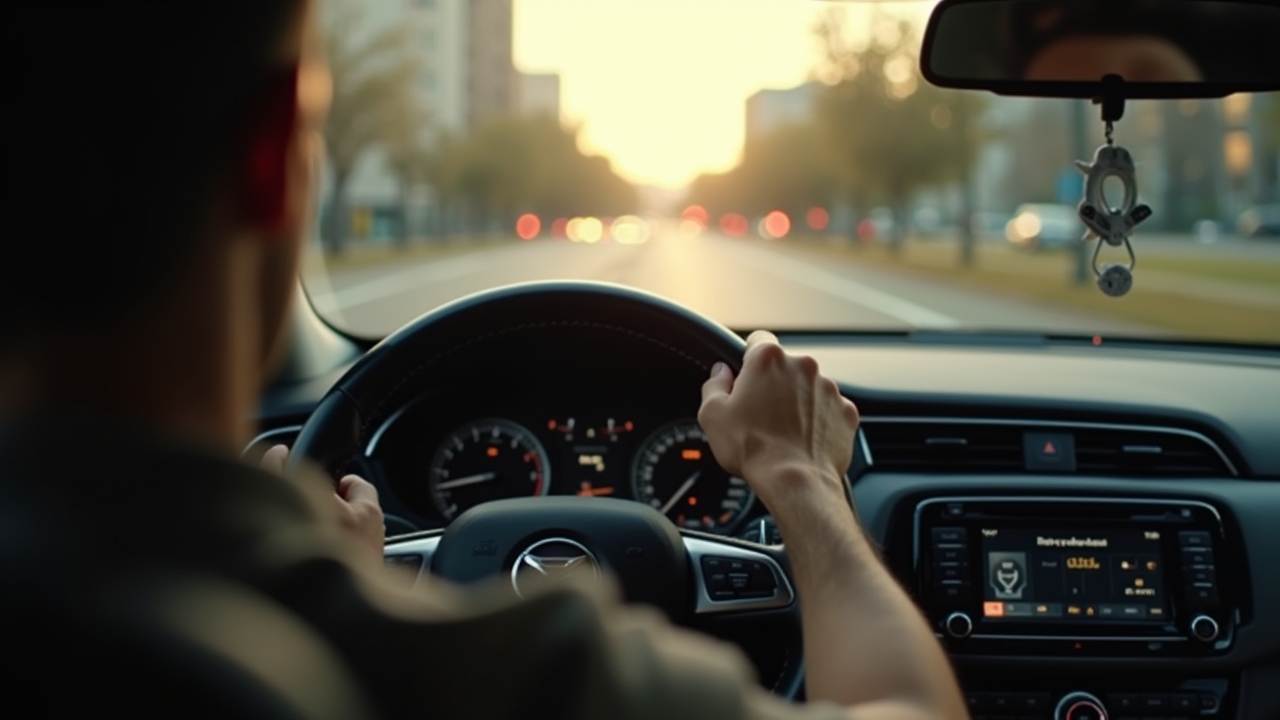
Breathing to Stay Calm in Traffic: What I Learned the Hard Way
Did you know that road rage affects nearly 80% of drivers at least once a year? Yeah, that stat hit me like a truck — no pun intended. I used to be one of those people white-knuckling the steering wheel at every red light, muttering under my breath like a broken record. Honestly, traffic was slowly eating me alive, until I discovered something surprisingly simple: breathing.
Learning how to use your breath to stay calm in traffic isn’t some woo-woo wellness trend. It’s a legit, science-backed tool that can completely change your driving experience. And trust me, if it worked for a guy like me — someone who once honked at a school bus — it can work for anyone.
Why Traffic Makes Us Lose Our Minds
There’s something about being stuck in a car that just cranks up the stress dial. It’s like your brain decides that every slow driver is personally attacking you. According to Harvard Health, traffic congestion triggers the body’s fight-or-flight response, flooding your system with cortisol and adrenaline.
Your heart rate spikes, your muscles tighten, and suddenly you’re reacting to a slow merge like it’s a life-or-death situation. It’s not. But your nervous system doesn’t know that. That’s where mindful breathing steps in — it’s basically a manual override for your stress response.
The Breathing Technique That Actually Saved My Commute
I stumbled onto box breathing completely by accident. A colleague mentioned it in passing, and I figured, hey, what do I have to lose? The technique is used by Navy SEALs to stay calm under pressure, which felt a little dramatic for the I-95 at rush hour — but also, kind of perfect.
Here’s how box breathing works:
- Inhale slowly through your nose for 4 counts
- Hold your breath for 4 counts
- Exhale slowly through your mouth for 4 counts
- Hold again for 4 counts
- Repeat the cycle at least 4 times
The first time I tried it during a traffic jam, I felt a little silly. But within two minutes, my shoulders had dropped about three inches and I stopped grinding my teeth. It genuinely works. You can read more about the science behind it at Healthline’s breakdown of box breathing.
Advertisements
Other Breathing Exercises Worth Trying Behind the Wheel
Box breathing isn’t the only option, and honestly, variety is your friend here. On days when I’m particularly wound up, I switch things around depending on how I’m feeling. Here are a few other techniques that have helped me stay grounded:
- 4-7-8 Breathing: Inhale for 4 counts, hold for 7, exhale for 8. It’s a bit more intense but deeply relaxing. Dr. Andrew Weil popularized this one and swears by it for anxiety.
- Diaphragmatic Breathing: Place one hand on your belly and breathe deeply so your stomach rises — not your chest. It activates the parasympathetic nervous system almost immediately.
- Equal Breathing (Sama Vritti): Simply inhale and exhale for the same count. Four counts in, four counts out. Easy to remember, easy to do.
The key is to find what feels natural for you. Some days box breathing is my jam, other days I just do slow, deep belly breaths for a few minutes. There’s no wrong answer here.
Little Habits That Make a Big Difference
Breathing techniques work even better when they’re paired with a few other small habits. I’m not talking about a full meditation retreat — just tiny tweaks to your driving routine.
- Leave 10 minutes earlier so you’re not already stressed before you even hit traffic.
- Put on a calming playlist or podcast instead of rage-inducing talk radio.
- Practice your breathing at red lights — treat them as mini mindfulness breaks instead of interruptions.
- Keep your hands loose on the wheel. Tension in your hands travels straight to your brain.
That last one sounds small, but it made a huge difference for me. When I noticed how tight my grip was, everything else felt tighter too. Loosening up physically helped me loosen up mentally.
Take a Deep Breath — Literally
Look, traffic isn’t going anywhere. Neither is stress, honestly. But your reaction to it? That’s something you can actually control, and breathing is one of the easiest places to start. These techniques are free, they’re always with you, and they don’t require an app or a gym membership.
Start small. Try box breathing on your next commute and see how it feels. Adjust the techniques, mix them up, and find what clicks for you. Just remember — safety first, always keep your focus on the road, and never close your eyes while practicing these exercises behind the wheel.
If you found this helpful, there’s a whole lot more where that came from. Head over to One Big Breath for more tips on using breathwork to handle stress, anxiety, and everyday life. You might just find your next favorite technique.