
Advertisements
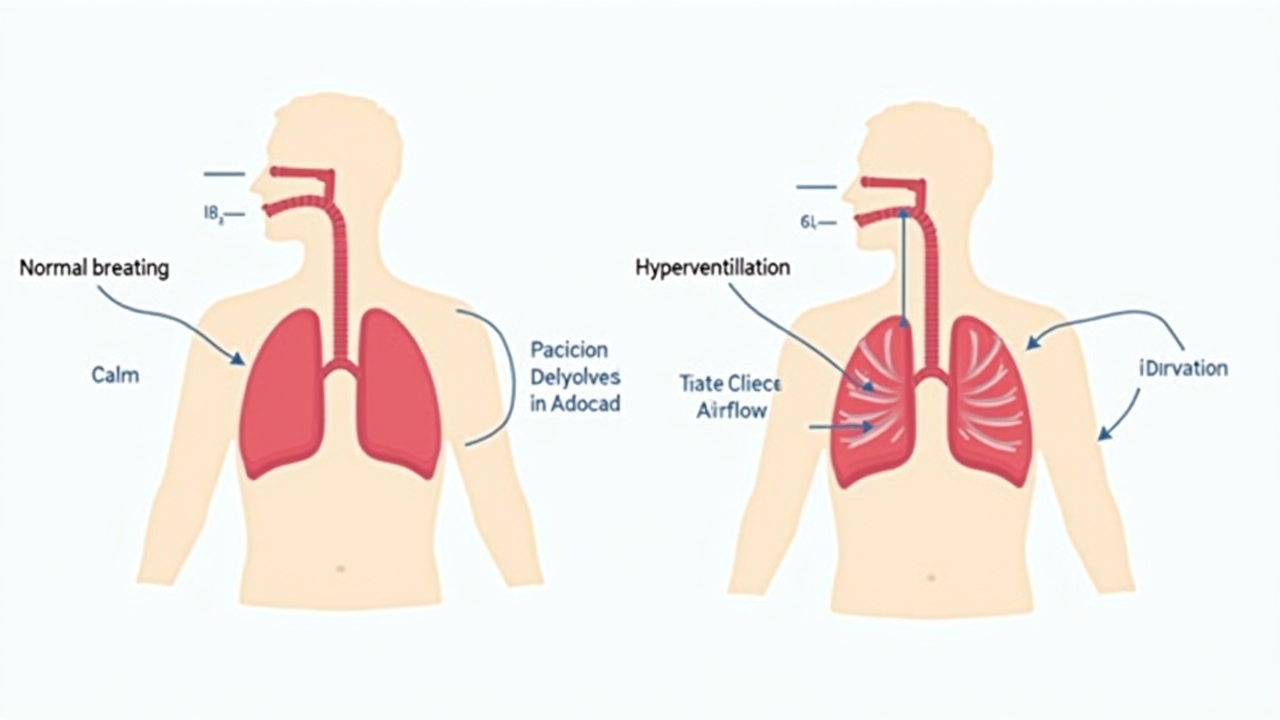
How to Stop Hyperventilating from Stress (Before It Stops You)
Did you know that nearly 1 in 10 people experience hyperventilation episodes linked directly to stress and anxiety? I didn’t know that either — until I was sitting in a parking lot, hands tingling, chest tight, convinced something was seriously wrong with me. Turns out, I was just breathing way too fast. And honestly? It was one of the scariest moments of my life, and also one of the most eye-opening.
Learning how to stop hyperventilating from stress isn’t just a neat trick to have up your sleeve. It’s genuinely life-changing stuff, especially if anxiety tends to hijack your breathing without much warning.
What’s Actually Happening When You Hyperventilate
Okay, so here’s the deal. When you’re stressed, your body kicks into fight-or-flight mode. Your breathing speeds up — a lot — and you start exhaling too much carbon dioxide. That drop in CO2 is what causes all those wild symptoms: dizziness, tingling fingers, chest tightness, even a weird sense of doom.
It’s a cruel irony, really. You feel like you’re not getting enough air, so you breathe even faster, which actually makes everything worse. The cycle of stress-induced hyperventilation feeds itself until something interrupts it. That “something” has to be you, with intention.
The Technique That Saved Me in That Parking Lot
I remember gripping my steering wheel and trying to remember something — anything — my doctor told me once about breathing. What finally worked was pursed-lip breathing. Simple as it sounds, I just slowed my exhale way down, breathing out through barely-open lips like I was fogging up a mirror… slowly.
This technique helps regulate your breathing rate and brings your CO2 levels back to normal. According to Cleveland Clinic, controlled breathing exercises like this can calm the nervous system fast. It took me about three minutes, but I felt human again.
Practical Tips to Stop Hyperventilating from Stress
- Try the 4-7-8 method: Inhale for 4 counts, hold for 7, exhale slowly for 8. It forces your body to slow down, whether it wants to or not.
- Breathe into your belly, not your chest: Chest breathing is shallow and fast — exactly what you don’t need. Put your hand on your stomach and make it rise first.
- Ground yourself physically: Plant your feet flat on the floor. Feel the chair beneath you. Sometimes the body just needs a reminder that it’s safe.
- Avoid the paper bag myth: I know, you’ve seen it in movies. But WebMD warns that breathing into a bag can actually be dangerous in some cases. Skip it.
- Talk yourself down: Quietly saying “I am safe, this will pass” sounds cheesy, but cognitive grounding works. The brain listens, even when it’s panicking.
Why Stress Triggers This in the First Place
Stress isn’t just mental — it’s a full-body event. When your brain perceives a threat (a deadline, a conflict, bad news), it floods your system with adrenaline. That adrenaline speeds up your heart rate and your breathing. Most of the time, your body corrects itself. But for some of us — especially those prone to anxiety — the breathing just… keeps going.
Advertisements
I used to think I was weak for this. Like, come on, just breathe normally! But honestly, understanding the physiological connection between anxiety and breathing helped me stop judging myself and start actually managing it.
Making It a Daily Habit, Not Just a Crisis Response
Here’s the thing most people miss: the best time to practice breathing techniques is when you’re NOT panicking. I started doing five minutes of diaphragmatic breathing every morning with my coffee. Nothing fancy. Just slow, intentional breaths before the chaos of the day kicked in.
After about two weeks, I noticed my stress responses were… quieter. Less explosive. The breathing skills were already in my muscle memory, so when a stressful moment hit, my body kind of knew what to do. That felt like a real win.
Your Breath Is Always With You — Use It
At the end of the day, your breath is the one tool you always have on you. No app, no prescription, no equipment needed. Learning to stop hyperventilating from stress is really about learning to trust your own body again — and that takes practice, not perfection.
Everyone’s triggers and rhythms are different, so take these tips and make them your own. And please, if hyperventilation episodes are happening frequently, talk to a doctor — it can sometimes signal underlying conditions worth checking out. You deserve real support, not just a blog post.
If this resonated with you, there’s a whole community of breathing-focused content waiting over at One Big Breath. Go check it out — you might find exactly what you’ve been looking for.