Advertisements
Lion’s Breath Technique: The Weird-Looking Exercise That Actually Works
Did you know that controlled breathing exercises can reduce stress levels by up to 44%? Yeah, I was just as surprised when I first read that. I stumbled across the lion’s breath technique about three years ago during a particularly rough week at work, and honestly, I felt a little silly doing it at first. But stick with me here, because this one’s worth it.
Lion’s breath — or Simhasana pranayama in Sanskrit — is a yogic breathing exercise that involves a dramatic exhale, an open mouth, and yes, sticking your tongue out as far as it’ll go. It looks ridiculous. My cat literally walked out of the room the first time I tried it. But the benefits? Those are very real.
What Exactly Is the Lion’s Breath Technique?
At its core, lion’s breath is a pranayama practice rooted in ancient yoga tradition. The idea is to mimic a lion’s roar — both in posture and energy. You inhale deeply through the nose, then exhale forcefully through the mouth while extending your tongue toward your chin and widening your eyes. Think of it as your body’s built-in pressure release valve.
According to Yoga Journal, this technique is closely tied to Lion Pose (Simhasana) and is often used to release tension in the face, jaw, and chest. Those are areas where, by the way, most of us store a ton of stress without even realizing it.
How to Do Lion’s Breath Step by Step
Okay, let’s get into the actual technique. It’s simpler than it sounds, I promise. Here’s how I do it every morning before my coffee kicks in:
- Find a comfortable position — seated cross-legged, kneeling, or even in a chair works fine.
- Place your hands on your knees and spread your fingers wide, like you’re pressing them into the floor.
- Inhale deeply through your nose, filling your lungs completely. Take your time with this part.
- Open your mouth wide, stick your tongue out and down toward your chin, and exhale with a strong “haaa” sound.
- Widen your eyes and gaze upward toward your third eye (or just the ceiling — totally fine).
- Repeat 4 to 6 times, taking a natural breath between each round.
The first time I did this, I exhaled too fast and kind of choked. Don’t rush it. Let the exhale be full and intentional, not panicked.
The Real Benefits of Lion’s Breath
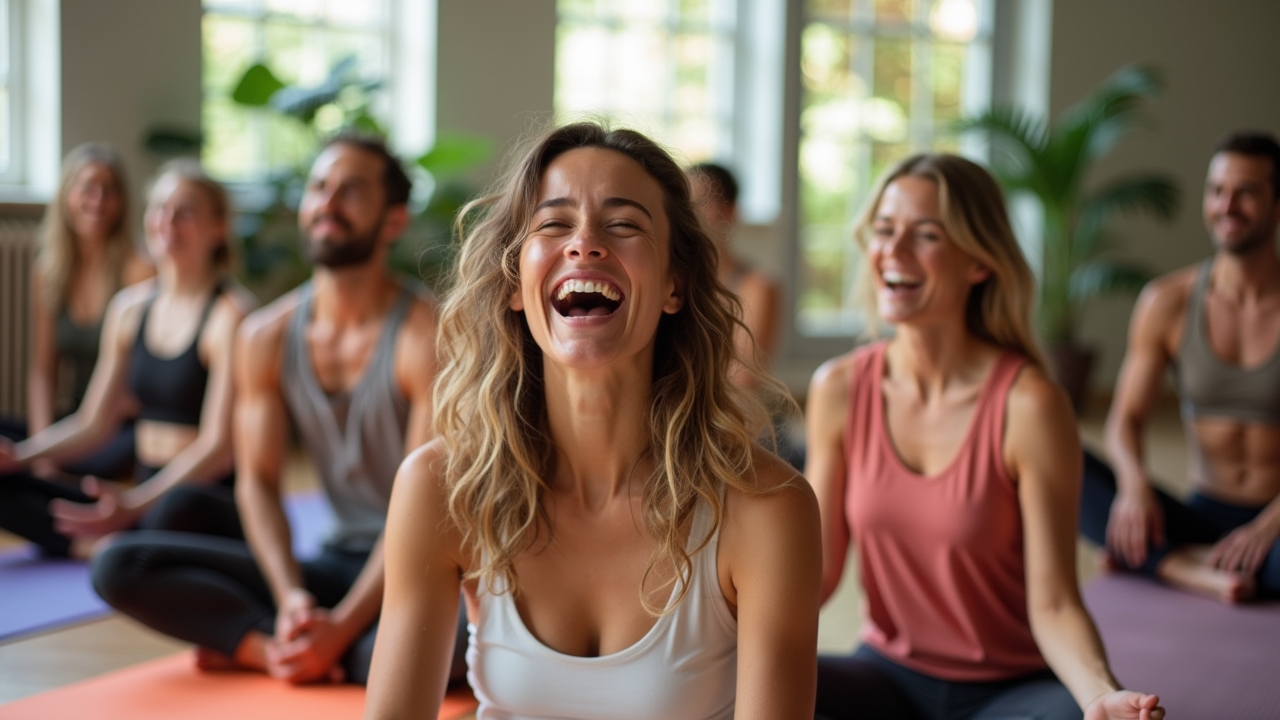
So why bother making a face that would scare small children? Turns out, there’s some solid reasoning behind this practice. The lion’s breath technique is known to help with stress relief, anxiety reduction, and vocal tension — which is why a lot of singers and public speakers actually use it before performing.
Advertisements
Research covered by Healthline suggests that pranayama breathing practices like this one can help activate the parasympathetic nervous system, essentially telling your body to calm the heck down. Beyond that, it may also help with:
- Releasing tension in the jaw (huge for people who grind their teeth at night)
- Stimulating the throat chakra and improving vocal clarity
- Boosting circulation in the face and neck area
- Improving overall lung capacity over time
- Reducing symptoms of mild anxiety and nervous energy
Personally, I noticed the jaw tension benefit almost immediately. I had no idea I was clenching until I started releasing it on purpose.
Common Mistakes Beginners Make
Trust me, I made most of these. First, a lot of people breathe too shallow on the inhale — you really want to fill up completely before you let it go. Second, some folks feel embarrassed and do a quiet, half-hearted exhale. Don’t. The sound is part of the point. Let it out!
Also, if you feel dizzy after a few rounds, that’s normal at first. Just slow down and breathe naturally for a minute. Hyperventilation is a thing, and Medical News Today explains it well if you want to understand the science behind why that happens.
Ready to Take Your Next Big Breath?
Look, lion’s breath isn’t going to fix everything in your life — I wish it would. But as a daily reset tool, it’s genuinely underrated. It takes less than two minutes, costs absolutely nothing, and once you get past the weirdness of it, it becomes something you actually look forward to.
Make it your own. Some people like to pair it with a full yoga session, others just do a few rounds before a stressful meeting. There’s no wrong way as long as you’re listening to your body. And if you have any respiratory conditions or concerns, check in with a healthcare provider before diving in — safety first, always.
If this got you curious about other breathing practices, there’s a whole world of techniques waiting for you over at One Big Breath. Seriously, go check it out — you might find your next favorite thing.