Advertisements
4-7-8 Breathing for Sleep: How This Simple Technique Finally Stopped My Tossing and Turning
Here’s a stat that honestly blew my mind — roughly 1 in 3 adults don’t get enough sleep on a regular basis. I was absolutely one of them for years. Then somebody at a dinner party casually mentioned the 4-7-8 breathing technique, and I remember thinking, “Yeah right, breathing is gonna fix my insomnia.”
Spoiler alert: it kind of did. Not overnight — pun intended — but this relaxation breathing method genuinely changed how I fall asleep, and I want to break it down for you the way I wish someone had for me.
What Exactly Is 4-7-8 Breathing?
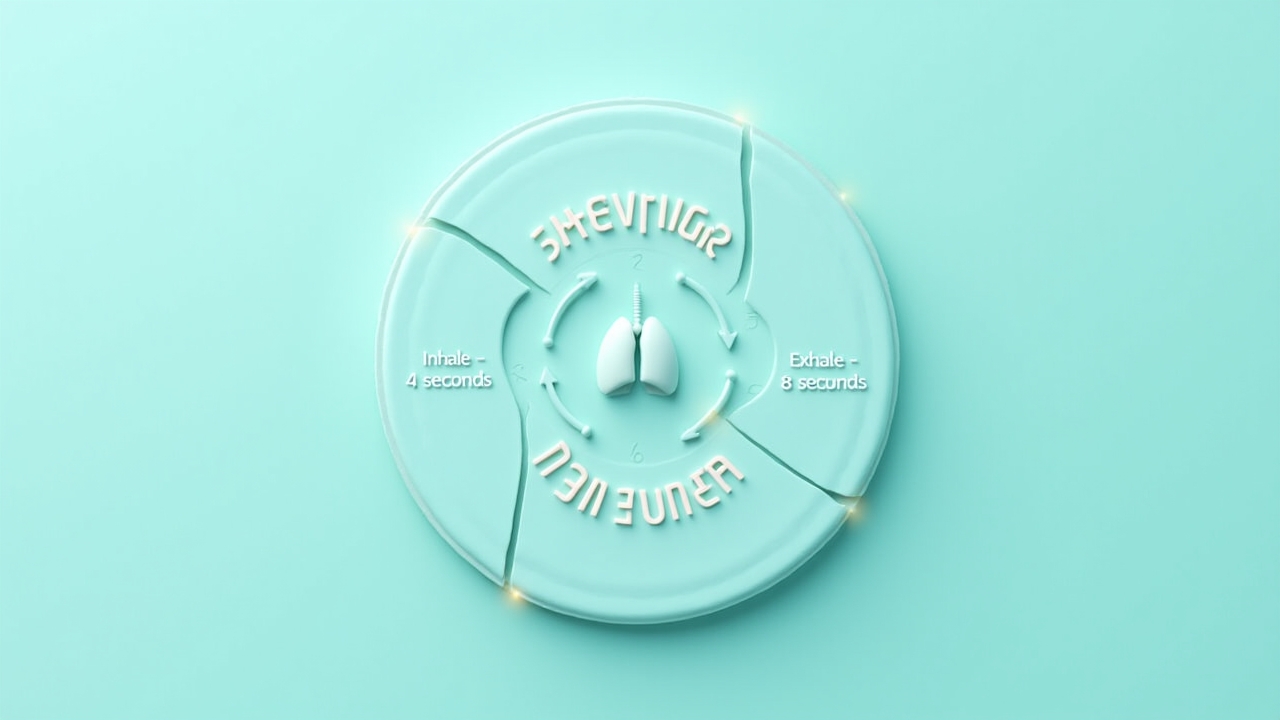
The 4-7-8 breathing technique was popularized by Dr. Andrew Weil, and it’s rooted in an ancient yogic practice called pranayama. The idea is dead simple. You inhale for 4 seconds, hold your breath for 7 seconds, and exhale slowly for 8 seconds.
That’s it. Seriously, that’s the whole thing.
What makes it so effective for sleep is that the extended exhale activates your parasympathetic nervous system — basically your body’s “chill out” mode. It lowers your heart rate, reduces anxiety, and tells your brain it’s safe to wind down. Think of it as a natural sedative that you carry around in your own lungs.
How I Actually Do It (Step by Step)
Okay so here’s exactly how I practice the 4-7-8 breathing method before bed. I messed this up the first few times because I was breathing way too forcefully, so learn from my mistakes.
- Sit up or lie down comfortably — I prefer lying in bed with the lights already off.
- Place the tip of your tongue against the ridge behind your upper front teeth. Keep it there the whole time.
- Exhale completely through your mouth, making a whooshing sound. This feels weird at first but just roll with it.
- Close your mouth and inhale quietly through your nose for 4 counts.
- Hold your breath for 7 counts.
- Exhale completely through your mouth with that whoosh sound for 8 counts.
- Repeat for 3-4 cycles total.
When I first started, I could barely hold for the full 7 seconds without feeling like I was gonna burst. That’s totally normal. The speed of the counts doesn’t matter as much as keeping the 4-7-8 ratio consistent.
Advertisements
Why It Works So Well for Falling Asleep
So I’m not a doctor, but I’ve read enough about this to understand the science a little bit. When you’re lying awake at 2 AM with your mind racing — been there a thousand times — your sympathetic nervous system is basically in overdrive. Stress hormones like cortisol are just having a party in your bloodstream.
The long breath hold and slow exhale in this deep breathing exercise forces your body to slow down physiologically. Your oxygen levels shift, your vagus nerve gets stimulated, and your muscles start to relax. It’s been compared to the effects of meditation, and honestly after a few rounds I feel almost drugged — in the best possible way.
One thing that surprised me was how it also helped with my sleep anxiety. You know that frustrating thing where you can’t sleep because you’re stressed about not sleeping? The 4-7-8 pattern gives your brain something structured to focus on, which breaks that awful cycle.
Mistakes I Made (So You Don’t Have To)
First mistake: I tried doing like 10 cycles right away. Dr. Weil actually recommends starting with just 4 cycles and building up over time. I got lightheaded and a bit dizzy that first night, which was not exactly relaxing.
Second, I was being too rigid about the counting. If 4-7-8 feels impossible at first, try 3-5-6 or whatever ratio works for you. The point is the pattern of short inhale, longer hold, longest exhale. Consistency matters more then perfection here.
Also — and this is something nobody tells you — it gets way more effective with practice. The first week I was like “this is dumb.” By week three, I was falling asleep in minutes.
Your Breath Is Your Best Sleep Aid
Look, I’m not saying throw away your melatonin or ignore your doctor’s advice about sleep disorders. But for everyday sleep struggles, the 4-7-8 breathing technique is honestly one of the most powerful bedtime relaxation tools I’ve ever found. It costs nothing, takes two minutes, and it’s always with you.
Play around with it, adjust the timing to what feels comfortable, and give it at least a couple weeks before you judge it. And if you’re curious about other breathwork techniques that can transform your daily life, head over to One Big Breath — we’ve got tons of posts that dive deeper into this stuff. Your best night’s sleep might literally be one big breath away.