Advertisements
Breathing for Free Throw Shooting: The Secret Weapon You’re Probably Ignoring
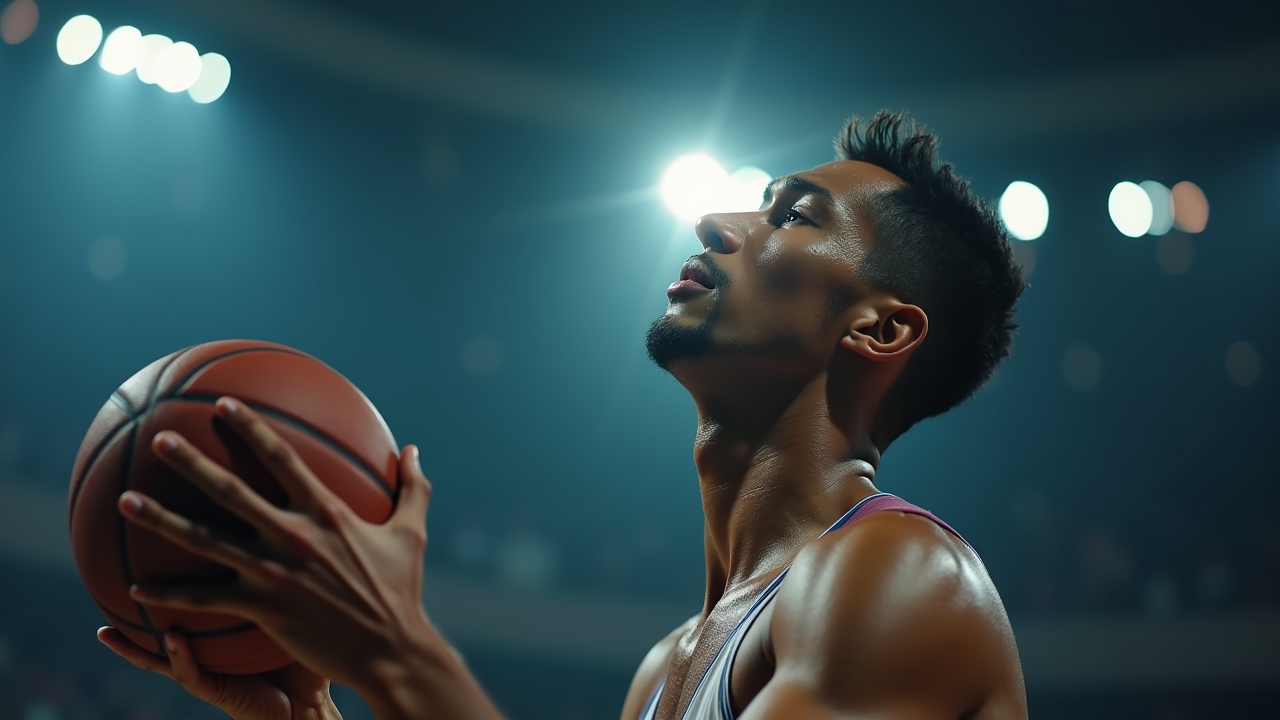
Did you know that NBA players miss roughly 24% of their free throws every season? That’s wild when you think about it — an uncontested shot, 15 feet from the basket, no defender in your face. So what gives? I’ll tell you what I think the biggest culprit is: breathing. Or rather, the total lack of attention paid to it.
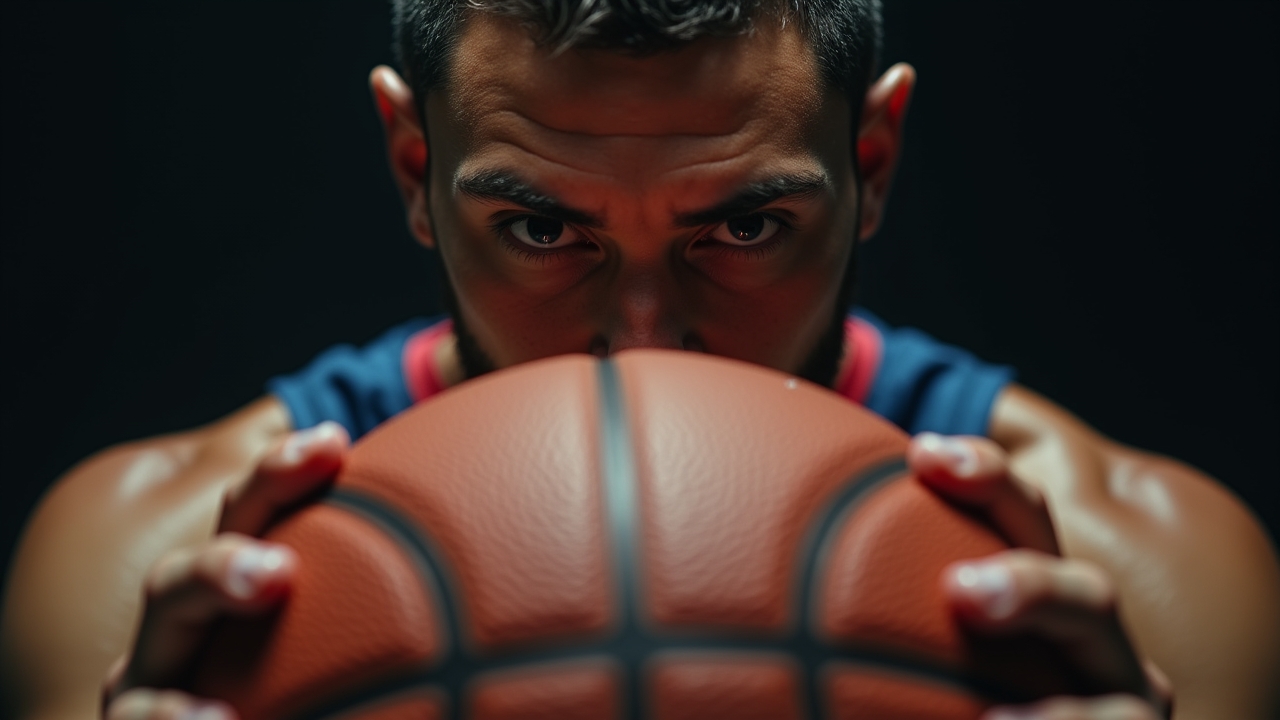
I learned this the hard way during a rec league game a few years back. Tied score, two seconds left, and I’m standing at the line like a deer in headlights. I bricked both shots. Both of them! Walked off the court wanting to disappear. Later, a coach friend told me I’d been holding my breath the entire time. That one conversation changed everything for me.
Why Breathing Actually Matters at the Free Throw Line
Here’s the thing — when you’re nervous, your body goes into fight-or-flight mode. Your heart races, your muscles tense up, and your breathing gets all shallow and weird. This is literally the worst state to be shooting a basketball in. Research from the American Psychological Association confirms that controlled breathing directly reduces cortisol levels and calms the nervous system.
Controlled breathing slows your heart rate, relaxes your shooting muscles, and helps you focus on the mechanics of the shot. It’s not some yoga mumbo-jumbo — it’s actual sports science. And once I started paying attention to my breath at the line, my free throw percentage jumped almost immediately.
The Basic Breathing Technique for Free Throws
Alright, let me break down what actually works. This is the method I’ve been using, and honestly it’s pretty simple once you get the hang of it.
- Step up to the line and take one deep breath in — inhale slowly through your nose for about 3-4 seconds.
- Hold it briefly — just one second, enough to reset your focus.
- Exhale slowly through your mouth as you begin your shot routine, releasing tension as the air leaves your body.
- Release the ball on or just after the exhale — this is when your muscles are most relaxed and your body is calm.
The exhale is everything, honestly. Think about it like a sniper pulling a trigger — they always shoot on the exhale. Same principle applies here. You want your body to be as still and tension-free as possible at the moment of release.
Building a Pre-Shot Breathing Routine
Consistency is key at the free throw line. The best shooters in the world — guys like Stephen Curry and Dirk Nowitzki — weren’t just great because of talent. They had a locked-in pre-shot routine that included their breathing pattern. Every. Single. Time.
Advertisements
For me, I pair my breath with a physical cue. I take my dribbles, then I inhale. That dribble-to-breath connection became automatic after a few weeks of practice. It’s almost like the breath became part of the muscle memory itself, which is kinda cool when you think about it.
Try building your own routine around these elements:
- A set number of dribbles (2-3 works well for most people)
- A moment of stillness where you inhale
- Eyes on the back of the rim as you exhale and shoot
Common Breathing Mistakes to Avoid
Oh man, I’ve made all of these at some point. Don’t be like past-me.
- Holding your breath entirely — this tightens every muscle in your upper body and destroys your shooting form.
- Breathing too fast — rapid, shallow breaths actually increase anxiety instead of reducing it.
- Forgetting to breathe during high-pressure moments — this is when it matters most, so practice it under simulated pressure in training.
One drill I love is practicing free throws after sprints. Get your heart rate up, then step to the line and use your breathing technique to calm down before shooting. It trains your body to use the breath as a reset button, no matter how gassed you are.
The Line Between the Physical and Mental Game
Here’s where I’ll leave you. Free throw shooting is at least 50% mental, maybe more. And your breath is literally the bridge between your mind and your body. When you control your breathing, you’re telling your nervous system, “Hey, we’re good. We got this.” That message travels fast.
Don’t just take my word for it — experiment with this in your next practice session. Tweak the timing of your inhale and exhale, adjust how many dribbles you take, find what rhythm feels natural to you. There’s no one-size-fits-all here, and that’s actually the beauty of it.
If you’re serious about leveling up your breathing game — whether on the court or in everyday life — there’s a whole world of content waiting for you. Head over to the One Big Breath blog for more practical, real-talk guides on how breathwork can change the way you perform, compete, and live.