Advertisements

Diaphragmatic Breathing: The One Technique That Completely Changed How I Handle Stress
Here’s a wild stat for you — most adults only use about 10% of their diaphragm’s full range of motion when they breathe. Ten percent! I was definitely one of those people until about three years ago, when a physical therapist caught me chest-breathing so hard during a routine visit that she actually stopped mid-sentence and said, “We need to talk about how you breathe.”
That moment was honestly a little embarrassing. But it led me down this rabbit hole of learning about diaphragmatic breathing, and I’m not exaggerating when I say it changed my daily life. So let me walk you through what I’ve learned — the hard way, mostly.
What Even Is Diaphragmatic Breathing?
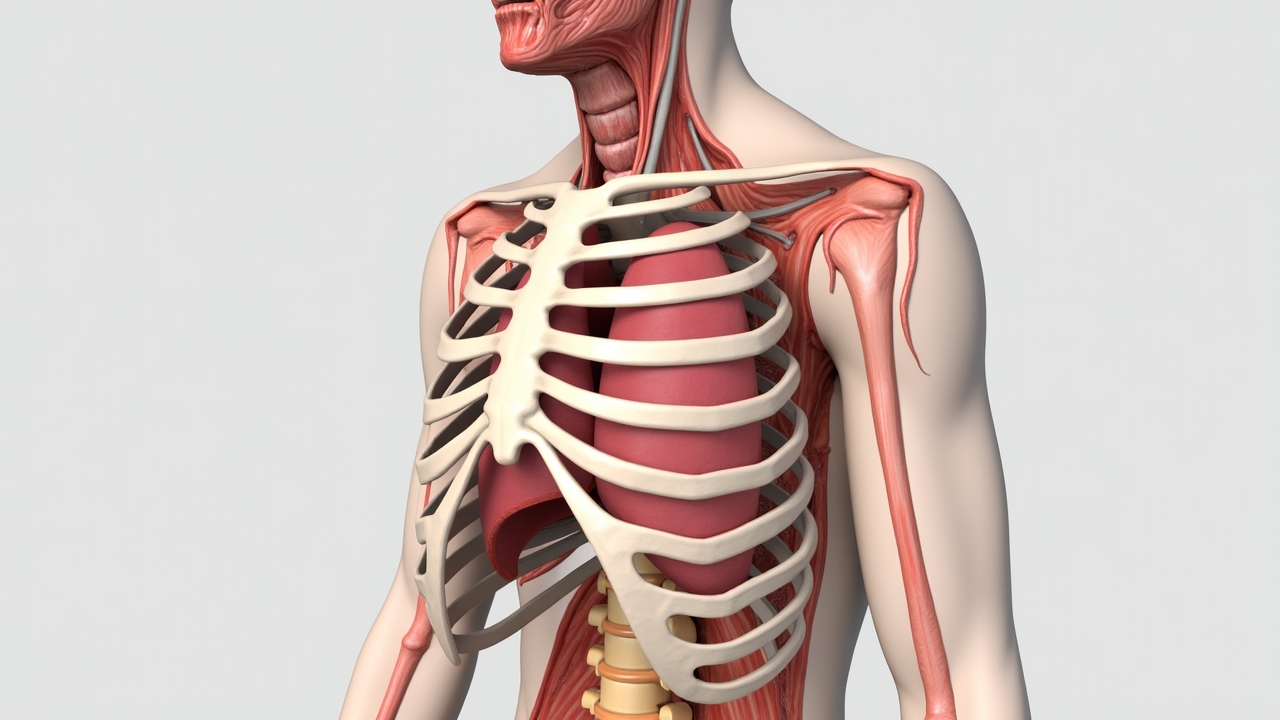
Diaphragmatic breathing, sometimes called belly breathing or deep breathing, is basically the practice of engaging your diaphragm — that dome-shaped muscle sitting right below your lungs — when you inhale. Instead of your chest rising up and down like you just ran a sprint, your belly expands outward. Your ribcage stays relatively chill.
The Cleveland Clinic describes it as the most efficient way to breathe, and honestly, it’s how we were all breathing as babies. Somewhere along the way, stress and bad posture turned most of us into shallow chest breathers. I know that was my story, anyway.
My First (Failed) Attempt
So after that physical therapy wake-up call, I went home and Googled “how to do diaphragmatic breathing” like a person who thinks they can master anything in one evening. I laid on my back, put one hand on my chest and one on my belly, and tried to make only my belly hand move. Sounds simple, right?
It was not simple. My chest kept jumping up like it had somewhere to be. I got frustrated, started breathing faster, and basically gave myself a mild case of hyperventilation. Not my finest moment.
The mistake I was making? I was forcing it way too hard. Belly breathing exercises should feel gentle and natural, not like you’re trying to inflate a balloon in your stomach. It took me a solid two weeks of practicing just five minutes a day before it started clicking.
Advertisements
How to Actually Do It (Without Passing Out)
Okay, here’s what finally worked for me, and what I now tell literally everyone who asks:
- Lie on your back with your knees bent. This takes pressure off your abdomen and makes everything easier.
- Place one hand on your upper chest and the other just below your ribcage so you can feel the diaphragm working.
- Breathe in slowly through your nose for about four seconds. Your belly hand should rise while your chest hand stays mostly still.
- Exhale through pursed lips for about six seconds, letting your belly fall naturally.
- Repeat for five to ten minutes. That’s it. No magic formula.
The Harvard Health Blog has a great breakdown of the technique too, if you want a more clinical explanation. But trust me — keeping it simple is what makes the difference between sticking with it and abandoning the whole thing after day three.
Why It’s Worth the Effort
Here’s where it gets really good. Once I actually committed to practicing breath control daily, I started noticing things. My resting heart rate dropped. My sleep got better — and I’ve been a terrible sleeper since my twenties. The tension I was always carrying in my shoulders and neck started melting away.
And the science backs this up. Studies have shown that diaphragmatic breathing activates your parasympathetic nervous system, which is basically your body’s “calm down” switch. It helps lower cortisol levels, reduces blood pressure, and can even improve core muscle stability. For anyone dealing with anxiety, COPD, or chronic stress, this breathing method is honestly one of the most accessible tools out there.
Side note — it also helped my singing voice, which I was not expecting at all.
A Few Things to Keep in Mind
If you have a respiratory condition or any kind of chronic illness, please check with your doctor before diving in. This technique is generally super safe, but everyone’s body is different. Also, don’t get discouraged if it feels awkward at first. It felt awkward for me for weeks, and now it’s basically second nature.
Your Breathing Is Worth Paying Attention To
Look, we take roughly 20,000 breaths a day. Most of them happen on autopilot, and that’s fine — but learning to breathe with intention, even for a few minutes, can genuinely shift how your body and mind feel. Diaphragmatic breathing isn’t some trendy wellness hack. It’s foundational stuff that’s been studied for decades.
Tweak the practice to fit your life. Do it in bed before sleep, at your desk during lunch, or in your car before walking into work. Make it yours. And if you’re curious about more breathing techniques and wellness tips, swing by One Big Breath — we’ve got plenty more where this came from!