Advertisements
Why I Started to Track Breathing Habits (And Why You Probably Should Too)
Here’s a wild stat that blew my mind: the average person takes about 20,000 breaths a day, and most of us have absolutely no clue if we’re doing it right. I sure didn’t. A couple years ago, I was dealing with horrible sleep, constant tension headaches, and this low-grade anxiety that just wouldn’t quit. Turns out, my breathing patterns were a total mess — and I had no idea until I actually started paying attention.
That’s when I dove headfirst into learning how to track breathing habits. And honestly? It changed everything for me. So let me walk you through what I’ve learned, the mistakes I made, and how you can get started without overcomplicating things.
What Does It Even Mean to Track Breathing Habits?
Okay so when I first heard about respiratory monitoring, I pictured some lab with wires hooked up to my chest. It’s way simpler than that. Tracking your breathing habits basically means becoming aware of your breath rate, depth, and patterns throughout the day — and sometimes during sleep too.
You’re looking at things like whether you’re a mouth breather or a nose breather. Are you breathing into your chest or your belly? How many breaths per minute are you taking at rest? A healthy resting respiratory rate for adults is typically between 12 and 20 breaths per minute, but most people never bother to check.
My First (Terrible) Attempt at Breath Tracking
I’ll be honest — my first try was kind of embarrassing. I literally set a timer on my phone to go off every hour so I could “check in” on my breathing. The problem was I’d get the alert, take one conscious breath, and then completely forget about it for the next 59 minutes. It was frustrating as heck.
What actually helped was keeping a simple breathing journal. Every morning and every night, I’d sit quietly for two minutes and count my breaths. I wrote down the number, noted whether I felt tense or relaxed, and jotted down what I’d been doing that day. After about two weeks, patterns started jumping out at me like crazy.
Tools That Actually Work for Monitoring Your Breath
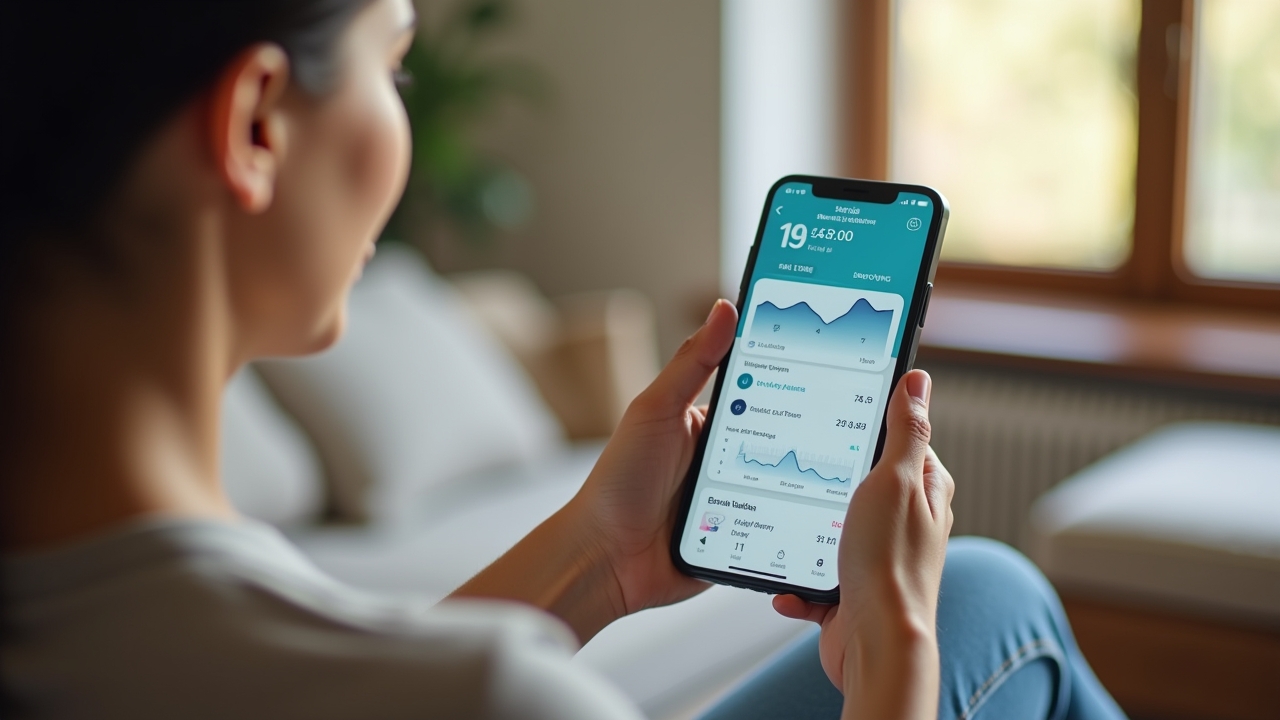
Now there’s some genuinely useful tech out there if you want to go beyond pen and paper. Wearable devices have gotten pretty good at breath pattern analysis. Here’s what I’ve tried or researched:
Advertisements
- Smartwatches and fitness bands — devices like the Apple Watch and Garmin trackers now include respiratory rate tracking, especially during sleep.
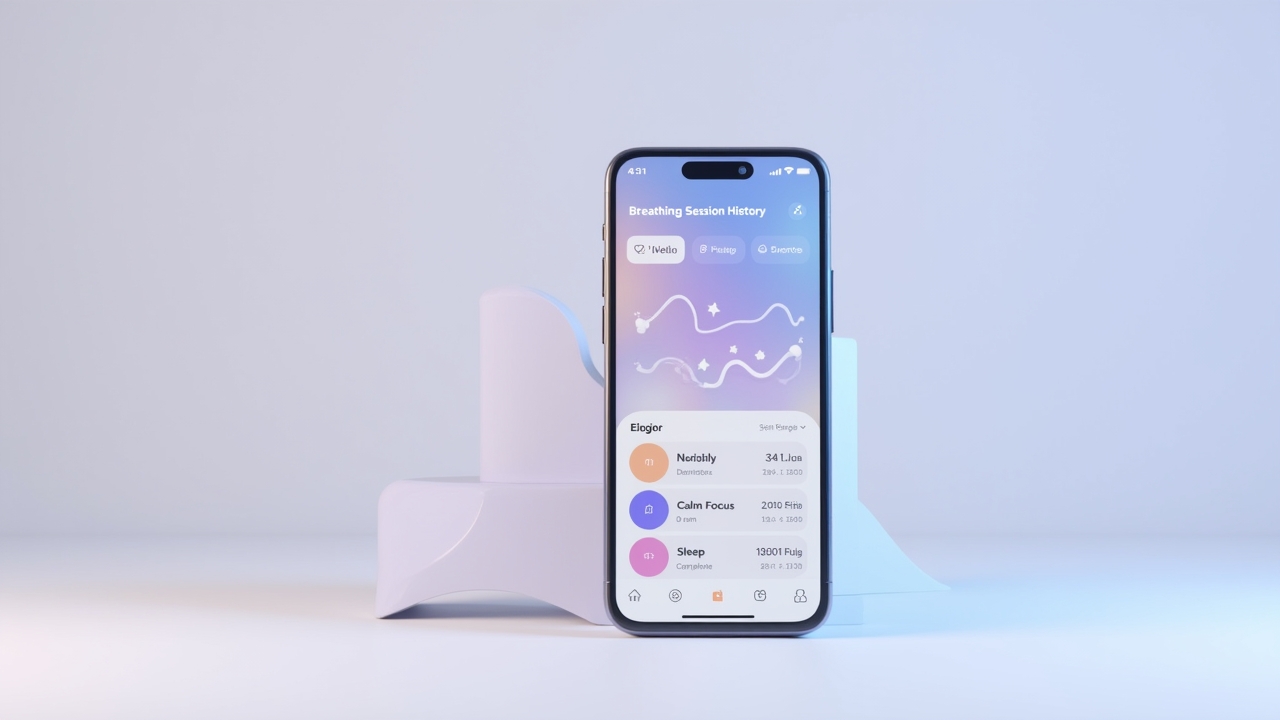
- Dedicated breathing apps — apps like Breathe2Relax and Breathwrk guide you through exercises and help you log sessions over time.
- Smart rings — the Oura Ring tracks nighttime breathing rate and gives you trends over weeks and months.
Personally, I found that combining a wearable for passive overnight data with a simple morning check-in gave me the most complete picture. You don’t need to spend a fortune though — even just counting your breaths manually a few times a day is a solid starting point.
What I Discovered About My Own Breathing Patterns
Here’s the thing that kinda shook me. I was averaging around 18 breaths per minute at rest, which is technically normal but on the higher end. And I was almost exclusively chest breathing — shallow, rapid, stressed-out breathing basically all day long. No wonder I felt wired but tired.
Once I started practicing diaphragmatic breathing and actually watching my numbers drop over a few weeks, the difference was noticeable. Better sleep quality, less jaw clenching, and my resting heart rate even went down a bit. It felt like a small triumph after months of feeling off.
Practical Tips From Someone Who’s Been There
If you’re thinking about starting to monitor your breathing wellness, here’s what I’d suggest based on my own stumbles:
- Start simple — just count your breaths for one minute, twice a day.
- Notice whether you breathe through your mouth or nose during normal activities.
- Don’t obsess over the data; look for trends over weeks, not days.
- Pair tracking with a basic breathwork practice so you’re not just observing but also improving.
Your Breath Is Trying to Tell You Something
Look, tracking your breathing habits isn’t some trendy biohacking gimmick. It’s honestly one of the most accessible ways to understand your stress levels, sleep quality, and overall wellbeing. Just remember — if you notice anything consistently abnormal, like a resting rate above 20 breaths per minute, it’s worth chatting with a healthcare professional.
Start where you are. Customize whatever method feels right for you. And if you want more tips on breathwork, mindfulness, and building healthier habits one inhale at a time, come explore more posts over at One Big Breath. Trust me, your lungs will thank you.